Geometric Abstraction · 1954
Study for the (Фернан Леже, 1954)
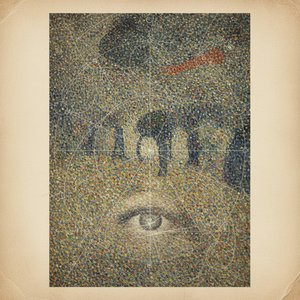
Фернан Леже (1881–1955) создал(а) Study for the . Создано в 1954. Относится к направлению Geometric Abstraction. Выполнено в технике Acrylic On Canvas. Хранится в Museu do Caramulo в Caramulo, Португалия. Размер: 38 × 44 cm
- 1954
- Acrylic On Canvas
- 38 × 44 cm
- Museu do Caramulo

 Предпросмотр

 Картина маслом ручной работы
 Поделиться
 Поделиться
 Информационный лист


 Скачать
 Похожие предметы
 Рентгенография
 Слайд-шоу
 Вопросы и ответы

 Статистика просмотров
Study for the вкратце
- Название
- Study for the
- Автор
- Фернан Леже (1881–1955)
- Дата рождения художника
- Аржантан, Франция
- Дата
- 1954
- Техника
- Acrylic On Canvas
- Размеры
- 38 × 44 cm
- Где посмотреть
- Museu do Caramulo, Caramulo, Португалия
- Движение
- Geometric Abstraction
- Сюжет
- musical performance, geometric forms, modern landscape, instrument ensemble, urban scene, animal presence
Что изображено на Study for the ?
A Symphony of Form and Feeling: Exploring Fernand Léger’s “Study for Breakfast”
Fernand Léger's "Study for Breakfast," completed in 1954, transcends mere representation; it embodies the very spirit of Pointillism—a technique championed by Georges Seurat and embraced wholeheartedly by Léger as a means to convey dynamism and immediacy. This unassuming landscape isn’t simply depicted as it appears before our eyes; instead, Léger meticulously constructs it from countless tiny dots of pigment, creating an illusion of depth and texture that defies conventional painting methods. The resulting image pulsates with energy, mirroring the rhythms of daily life—a quiet morning scene rendered with astonishing precision. It's a masterful demonstration of how abstraction can serve as a conduit for emotion and observation simultaneously.- Style: Pointillism – Léger’s signature style prioritizes optical mixing over blending pigments on canvas, resulting in vibrant hues that shimmer and shift subtly under the light.
- Technique: Léger employed a painstaking process of applying dots of color—typically yellow, red, and blue—to build up layers of tonal variation. This method demanded immense patience and meticulous attention to detail, reflecting Léger’s unwavering commitment to his artistic vision.
Historical Context: Embracing Modernity Amidst Postwar Uncertainty
Created in the aftermath of World War II, “Study for Breakfast” speaks to a broader cultural preoccupation with rebuilding and redefining beauty after devastation. Léger’s stylistic choices—the geometric abstraction and the deliberate fragmentation of form—were deliberately antithetical to the prevailing artistic trends of his time, signaling a rejection of Impressionism's focus on fleeting sensations and an embrace of the machine age’s influence on visual perception. This bold stance positioned Léger as a pioneer of abstract expressionism, anticipating developments that would reshape the landscape of 20th-century art.Symbolic Resonance: The Quiet Power of Observation
Despite its apparent simplicity, “Study for Breakfast” is laden with symbolic significance. Léger’s use of dots—representing individual particles and conveying movement—suggests a fascination with scientific principles and an attempt to capture the underlying order of nature. The muted palette contributes to a mood of contemplative serenity, inviting viewers to contemplate the beauty found in everyday moments. It's a subtle reminder that even amidst turbulent times, art can offer solace and inspire wonder.Emotional Impact: Capturing Essence Through Precision
Ultimately, Léger’s “Study for Breakfast” succeeds in conveying an emotional resonance far exceeding its visual surface. The artist doesn’t aim to evoke sentimental feelings but rather to distill the essence of a scene—the feeling of warmth, light, and stillness—into a meticulously crafted composition. This achievement underscores Léger's profound understanding of how abstraction can communicate complex ideas and sensations with remarkable effectiveness. It remains an enduring testament to his artistic genius and a captivating example of Pointillist artistry.В каком музее находится Study for the ?
Museu do Caramulo
Caramulo, Португалия
Симфония стали и души Расположенный среди изумрудных, волнистых холмов Серра-ду-Caramulo в центральной Португалии, Museu do Caramulo предстает как захватывающий дух парадокс — святилище, где точность машиностроения встречается с глубочайшей бездной человеческого творчества. Это не просто хранилище реликвий; это живой диалог между двумя, казалось бы, несопоставимыми мирами. Основанный дальновидными братьями Абелом и Жуаном де Ласерда, музей служит свидетельством общей страсти, которая отказалась признавать границы между ревом двигателя и безмолвной грацией мазка кисти.


Изображения в высоком разрешении: Study for the

Общественное достояние: художник умер в 1955.
Другие размеры, фрагменты и цитирование →Фернан Леже, Study for the (1954), Museu do Caramulo. Общественное достояние
Ответы на вопросы о Study for the
Где сегодня можно увидеть «Study for the», Фернан Леже?
Оригинал произведения «Study for the», Фернан Леже хранится в Museu do Caramulo, Caramulo, Португалия. Репродукция позволяет украсить этим шедевром ваш дом.
В каком году было создано произведение «Study for the»?
Создание «Study for the», Фернан Леже датируется 1954 годом.
В какой технике выполнено произведение «Study for the», Фернан Леже?
Техника исполнения работы «Study for the», Фернан Леже — Acrylic On Canvas. Репродукции стремятся максимально точно передать особенности этой техники.
Каковы размеры оригинала «Study for the», Фернан Леже?
Размер оригинала произведения «Study for the» составляет 38 x 44 cm. Оригинальные размеры могут служить полезным ориентиром при выборе размера репродукции.
Что изображено на картине «Study for the»?
Сюжеты произведения «Study for the» — это musical performance, geometric forms, modern landscape, instrument ensemble, urban scene, animal presence, domestic setting, pointillism technique.
Является ли произведение «Study for the» свободным от авторских прав?
Статус авторского права для «Study for the», Фернан Леже: произведение находится в общественное достояние — срок действия авторского права истёк. Это определяет, допускается ли свободное воспроизведение изображения.
Кто является автором работы «Study for the»?
Авторство работы «Study for the» приписывается Фернан Леже.
К какому художественному направлению относится «Study for the», Фернан Леже?
«Study for the», Фернан Леже относится к направлению Geometric Abstraction. Это направление определяет стилистический контекст произведения.
К какому периоду творчества Фернан Леже относится произведение «Study for the»?
«Study for the» относится к Mature Period в творчестве Фернан Леже. Данная классификация позволяет проследить развитие мастера.
Об авторе, Фернан Леже

1881–1955, Франция
Фернан Леже
Жизнь Фернан Леже История Фернан Леже берет свое начало в деревушке Аржантан, затерянной в регионе Орн в Нижней Нормандии. Он пришел в этот мир 4 февраля 1881 года, став единственным сыном в семье. Его ранние годы прошли под знаком безмятежности французской провинции и под опекой матери, Мари-Адель Дону. Его отец, торговец скотом, ушел из жизни, когда Фернан был еще совсем ребенком, и мальчик рос в доме, где царили благочестие и скромность, присущие его матери.
Другие работы Фернан Леже
 Город1919
 Механик1920
 Три женщины1921
 Нюды в лесу1910

Эссе к произведению Study for the
 Индустриальный Шик в Искусстве: 10 Шедевров для Стильного ИнтерьераПогрузитесь в мир индустриального искусства! 10 шедевров от Моне до Пикассо, отражающих эпоху перемен и городскую жизнь. Репродукции картин…
 Georges Seurat: Pointillism, Perception & the Scientific Foundations of Modern ArtExplore the revolutionary art of Georges Seurat and the science behind Pointillism. Discover chromoluminarism, optical mixing, and the last…
 Mastering the Machine Age: The Top 25 Fernand Léger ArtworksImmerse yourself in the vibrant world of Fernand Léger. Explore 25 iconic masterpieces of Cubism and Tubism, from bold geometric forms to m…