
 Предпросмотр
 Поделиться
 Поделиться
 Детали произведения
 Руководство

 Скачать
 Похожие предметы
 Рентгенография
 Слайд-шоу
 Вопросы и ответы
 Статистика просмотров
Утро

- 34.0 x 26.0 cm


 Читать далее
Жикле и арт-принты
Печать (жикле) или холст музейного качества с быстрыми сроками изготовления и широким выбором вариантов отделки. ( Купить картину ручной работы Перейти к цифровым изображениям)




P118B $10

P118H $10

P118W $10

P438Z $10

P508JH $12

P508YH $12

P805H $10

P805Z $10

P919BZ $10

P919G $10

P919XJ $10

P959ZH $10

P968JZ $12

W106C $8

W218G $10

W218JH $8

W218Y $10

W307PJ $10

W316G $10

W316PJ $8

W316Y $10

W398PJ $8

W4111J $10

W500HY $15

W500JH $15

W692G $12

W849H $8

W940BG $15

W953PJ $8




Выберите один из наших стандартных размеров, соответствующих оригинальным пропорциям произведения искусства.

Введите необходимую ширину и высоту, чтобы репродукция подошла к вашей раме или стене. При печати изображение можно только уменьшить, но нельзя увеличить больше оригинала, поэтому при выборе другого формата часть изображения может быть обрезана. Перед печатью мы отправим вам цифровой макет на утверждение. Изображение на этой странице не отображает реальную обрезку — ее можно увидеть только на макете.
Доставка по всему миру () за 2 недели вместо стандартных 4–5 недель. (5 Ноябрь)

Бесплатная экспресс-доставка по всему миру

Высококачественный льняной холст

Полное страхование при доставке

Гарантия возмещения таможенных пошлин

Гарантия точного цветового соответствия

100-дневная гарантия возврата (только при обнаружении дефектов)

Гарантия возврата 100% средств

Скидка при оптовом заказе
 Вариант со стеклом доступен только для размеров менее 110 см

Утро
Жикле и арт-принты
Размер репродукции
-


Итоговая стоимость
$ 81
Феликс Иво Лейкер и его шедевр «Утро»
Феликс Иво Лейкер (1727 – 1812 гг.), австрийский художник чешского происхождения, занимает особое место в истории европейской живописи XVIII века. Его творчество сочетает в себе глубокое понимание классической традиции и новаторские поиски эстетических решений, что отражается в его выдающихся работах, особенно в картине «Утро». Этот небольшой холст размером 34 х 26 см был создан Лейкером в 1780 году и сегодня хранится в Будапештском музее изящных искусств Венгрии.
- Тема: Интимный жанр. Фигура женщины, сидящей на кровати и смотрящей в окно – распространенная тема эпохи Рококо и Барокко, символизирующая стремление к гармонии и красоте природы.
- Стиль: Лейкер придерживался стиля рококо, который характеризуется изящными линиями, мягкими цветами и декоративными элементами. Его работы отличаются легкостью и воздушностью, создавая ощущение спокойствия и утонченности.
- Техника: Художник использовал технику масляной живописи на холсте, что позволило добиться реалистичной передачи света и тени, а также тонких оттенков цвета. Лейкер был мастером светотени и умелым использованием перспективы – техник, которые были особенно популярны в эпоху его творчества.
- Исторический контекст: Картина была создана в период расцвета Австрийской империи и отражает идеалы красоты и гармонии эпохи Рококо. Лейкер был одним из самых известных художников своего времени, работавших при дворе императора Иосифа II и вдохновленных творчеством Рубенса и Питториани.
- Эмоциональный эффект: «Утро» вызывает ощущение тишины и спокойствия, приглашает зрителя задуматься о красоте повседневной жизни и гармонии человеческой души. Светлый цвет холста и мягкие оттенки картины создают атмосферу тепла и умиротворения.
Этот шедевр является прекрасным примером искусства XVIII века и может стать отличным выбором для украшения интерьера или коллекционного приобретения. Высококачественная репродукция позволит сохранить эстетическую ценность оригинального произведения и насладиться его красотой в любое время.
Вопросы и ответы
Для каких целей рекомендуется использовать «Утро», Felix Ivo Leicher?
Рекомендуемый способ использования репродукции «Утро», Felix Ivo Leicher — Акцентный цвет. Она также может служить для других целей.
Какова яркость произведения «Утро», Felix Ivo Leicher?
Цвета произведения «Утро» обладают Мягкая тень яркостью.
Есть ли справочная информация об «Утро», Felix Ivo Leicher для студентов?
Для произведения «Утро», Felix Ivo Leicher доступна страница Справочный материал: печатный информационный лист о произведении искусства, предназначенный для студентов и использования в учебном процессе.
Биография художника
The Formative Years of a Silesian Talent
The story of Felix Ivo Leicher begins in the Silesian town of Bílovec, where a path that initially seemed destined for manual labor took an unexpected and luminous turn toward the fine arts. Before he was recognized as a master of the brush, his early life was marked by diverse apprenticeships; he first learned the intricate craft of weaving and later pursued the study of cutlery at school. However, the spark of true vocation ignited when he entered a local painter's workshop under Francis Andrew Schaffer. It was here that the foundations of his technique were laid, and a passion for painting took hold, eventually becoming the singular focus of his entire existence.
His journey from a provincial apprentice to an established figure in the Habsburg Empire was propelled by academic rigor and institutional support. Moving to Vienna, Leicher sought higher training and became a pupil at the Academy of Fine Arts Vienna. His talent was quickly validated on the academic stage; in 1754, he secured second prize in a prestigious competition for his work Anointing Saul the King. This achievement not only brought him recognition but also ensured the support of the Academy, setting the stage for a career that would span much of Central Europe.
Artistic Mastery and the Influence of the Masters
Leicher’s artistic identity was deeply intertwined with the great masters of his era, most notably Franz Anton Maulbertsch. Working closely with Maulbertsch, Leicher shared in the creation of grand frescoes and paintings for various churches, a collaboration that left a lasting imprint on his style. While the influence of his mentor is unmistakable in his use of light and composition, Leicher developed a distinct voice. His approach was often characterized by a softer, more delicate touch than the dramatic vitality of Maul-bertsch, favoring a gentler handling of form and a more subtle atmospheric quality.
His repertoire was remarkably diverse, ranging from monumental altarpieces to intimate secular works. As his career progressed through the latter part of the 18th century, he devoted himself to creating smaller cabinet paintings that explored secular themes with great sensitivity. His ability to navigate both the sacred and the profane allowed his work to permeate the religious and aristocratic landscapes of Austria, Bohemia, Moravia, Silesia, and Hungary. This versatility is beautifully captured in works such as The Evening and The Morning, where he demonstrates a masterful command of light and a profound ability to evoke serene, contemplative atmospheres.
Legacy and the Hidden Hand of Leicher
One of the most fascinating aspects of Leicher’s legacy is the historical challenge of attribution. For many years, several of his significant works were mistakenly attributed to Maulbertsch, as the stylistic similarities between teacher and pupil were so profound. It is only through recent scholarship that many of these pieces have been reclaimed and identified as the true products of Leicher's hand. This revelation has shed new light on the breadth of his contribution to the Rococo movement, revealing a painter of immense skill whose works continue to grace various churches and private collections.
The historical significance of Felix Ivo Leicher lies not only in his technical proficiency but in his role as a vital contributor to the visual culture of the Habsburg Empire. His paintings, often characterized by their graceful compositions and effective use of light, serve as windows into the aesthetic sensibilities of the 18th century. Whether through the grand scale of a church altarpiece or the quiet intimacy of a domestic scene, Leicher’s art remains a testament to a life dedicated to capturing the beauty, grace, and subtle emotions of his time.

Felix Ivo Leicher
1727 - 1812 , Czech Republic
Об авторе
- Artistic Movement Or Style: Rococo
- Artists Who Influenced This Artist:
- Franz Anton Maulbertsch
- Rubens
- Pittoni
- Full Name: Felix Ivo Leicher
- Nationality: Czech-Austrian
- Notable Artworks:
- The Evening
- The Morning
- Place Of Birth: Bilovec, Czech Republic
- Date Of Birth: 1727
- Date Of Death: 1812
Похожие статьи

The Elegance of Rococo: A Journey Through Pastel Dreams and Ornate Splendor
Embark on an elegant journey through the Rococo era. Discover the delicate beauty of pastel masterpieces, the intricate artistry of 18th-century French masters, and how this era of ornate splendor continues to inspire timeless luxury in fine art collecting.

Топ-10 шедевров рококо: искусство, изменившее интерьеры | OriginalUniqueArt.com
Погрузитесь в мир рококо! Откройте для себя 10 шедевров искусства от Watteau, Boucher и Fragonard. Узнайте историю создания культовых картин и вдохновитесь для декора интерьера. Репродукции высокого качества на OriginalUniqueArt.com.
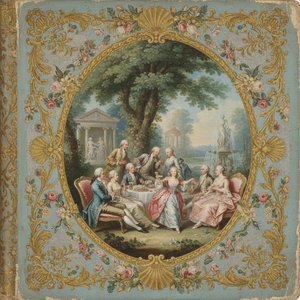
The Rococo Style: Aristocratic Leisure & the Pursuit of Delight in 18th-Century Art
Explore the opulent world of Rococo art! Discover Watteau, Boucher & Nattier's masterpieces. Expert insights for collectors seeking museum-quality reproductions and custom portraits at OriginalUniqueArt.

Illuminating the Enlightenment: A Comprehensive Exploration of 18th-Century Painting
Explore the captivating world of 18th-century painting! Discover Rococo's playful elegance & Neoclassicism’s Enlightenment ideals with expert insights into Fragonard, David, and more. A comprehensive guide for art enthusiasts.

The Rococo Aesthetic: Opulence, Rebellion & the Pursuit of Pleasure in 18th-Century Art
Explore the opulent world of Rococo art! Discover its origins, key artists like Watteau & Boucher, and lasting influence on design. Expert insights for collectors & enthusiasts.
