Rococo · 1762
Self-Portrait (Шарль Андре Ван Лоо, 1762)
Шарль Андре Ван Лоо (1705–1765) создал(а) Self-Portrait. Создано в 1762. Относится к направлению Rococo. Выполнено в технике Oil On Canvas. Хранится в Государственный Эрмитаж в Санкт-Петербург, Россия. Размер: 88 × 72 cm
- 1762
- Oil On Canvas
- 88 × 72 cm
- Государственный Эрмитаж, Санкт-Петербург

 Предпросмотр

 Картина маслом ручной работы
 Поделиться
 Поделиться
 Информационный лист


 Скачать
 Похожие предметы
 Рентгенография
 Слайд-шоу
 Вопросы и ответы

 Статистика просмотров
Self-Portrait вкратце
- Название
- Self-Portrait
- Автор
- Шарль Андре Ван Лоо (1705–1765)
- Дата рождения художника
- Ницца, Франция
- Дата
- 1762
- Техника
- Oil On Canvas
- Размеры
- 88 × 72 cm
- Где посмотреть
- Государственный Эрмитаж, Санкт-Петербург, Россия
- Движение
- Rococo
- Сюжет
- portrait, self-portrait, rococo, dutch painting, 18th century, charles van loo
Что изображено на Self-Portrait?
A Portrait of Inner Reflection: Charles-André van Loo’s “Self-Portrait”
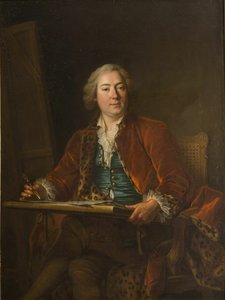
The year 1762 witnessed a pivotal moment in the artistic landscape of France – the creation of Charles-André van Loo's "Self-Portrait." More than simply a likeness, this painting is a carefully constructed meditation on identity, status, and the burgeoning Rococo aesthetic. Van Loo, a key figure within his family’s esteemed dynasty of painters, presents himself not as a flamboyant courtier or a heroic warrior, but as a thoughtful observer, subtly imbued with an air of quiet contemplation. The portrait immediately draws the eye to the artist's direct gaze, a deliberate act of engagement that invites the viewer into a private moment.
Van Loo’s style is quintessential Rococo – characterized by its delicate brushwork, pastel hues, and an emphasis on elegant ornamentation. He employs a loose, almost impressionistic technique, favoring soft transitions between light and shadow to create a sense of atmospheric depth. The rich fabrics of his suit—a deep burgundy velvet accented with gold embroidery—speak volumes about his position within the French court, while the subtle details – the meticulously rendered lace collar, the gleaming sword on his side – reinforce this image of refined authority. Yet, it’s not merely a display of wealth; these elements are presented with an understated grace that suggests a considered awareness of their symbolic weight.
The Context of 18th-Century Portraiture
To fully appreciate “Self-Portrait,” one must understand the evolving context of portraiture during the mid-18th century. Following the grandeur of the Baroque period, artists began to shift towards a more intimate and psychologically nuanced approach. The rise of the middle class fueled demand for portraits, but royal patronage continued to shape artistic trends. Artists like Van Loo were tasked with capturing not just physical likenesses, but also conveying an individual’s character and social standing. Van Loo's self-portrait reflects this trend – it is a carefully crafted statement about his identity as both artist and member of the elite.
Interestingly, the portrait predates the widespread popularity of the self-portrait as a genre. While artists had occasionally depicted themselves in various roles throughout history, Van Loo’s work stands out for its directness and lack of theatricality. He avoids overtly dramatic poses or elaborate settings, opting instead for a simple, uncluttered composition that focuses entirely on his own image. This deliberate restraint speaks to the artist's confidence and self-awareness – he is not seeking to impress, but rather to present himself honestly.
Symbolism and Emotional Resonance
Beyond its technical merits, “Self-Portrait” is rich in symbolic detail. The sword, a traditional emblem of power and authority, suggests Van Loo’s role as a court painter – a position that demanded both artistic skill and political savvy. However, the sword is not brandished aggressively; it rests calmly on his hip, hinting at a measured approach to wielding influence. The background—a plain wall—further emphasizes the artist's focus on himself, creating an aura of introspection.
Perhaps most powerfully, the painting evokes a sense of quiet contemplation. Van Loo’s gaze is direct and unwavering, yet there is also a hint of melancholy in his expression. It’s as if he is reflecting on his own life, his work, and the complexities of his position within society. The subtle shading around his eyes and mouth contributes to this feeling of emotional depth, inviting the viewer to share in his private thoughts. The painting isn't merely a representation of a man; it’s an invitation into his inner world.
A Timeless Masterpiece: Reproduction Possibilities
Charles-André van Loo’s “Self-Portrait” remains a captivating work of art, offering a rare glimpse into the mind and soul of a prominent 18th-century artist. High-quality reproductions capture the delicate brushwork and nuanced color palette that define this masterpiece. Whether displayed in a formal salon or a contemporary living space, this portrait continues to resonate with viewers today, reminding us of the enduring power of self-reflection and artistic expression. OriginalUniqueArt offers meticulously crafted hand-painted reproductions, allowing you to bring this timeless work into your home.
В каком музее находится Self-Portrait?
Государственный Эрмитаж
Санкт-Петербург, Россия
Истоки и история Государственного Эрмитажа История Государственного Эрмитажа берет свое начало в 1764 году. Его фундамент был заложен благодаря приобретению коллекции из 225 полотен у берлинского купца Иоганна Эрнста Готковского. Именно Екатерина Великая положила начало этому собранию, утвердив присутствие музея в Санкт-Петербурге, Россия.


Изображения в высоком разрешении: Self-Portrait
Общественное достояние: художник умер в 1765.
Шарль Андре Ван Лоо, Self-Portrait (1762), Государственный Эрмитаж. Общественное достояние
Ответы на вопросы о Self-Portrait
Где сегодня можно увидеть «Self-Portrait», Шарль Андре Ван Лоо?
Оригинал произведения «Self-Portrait», Шарль Андре Ван Лоо хранится в Государственный Эрмитаж, Санкт-Петербург, Россия. Репродукция позволяет украсить этим шедевром ваш дом.
В каком году было создано произведение «Self-Portrait», Шарль Андре Ван Лоо?
Создание «Self-Portrait», Шарль Андре Ван Лоо датируется 1762 годом.
В какой технике выполнено произведение «Self-Portrait», Шарль Андре Ван Лоо?
Техника исполнения работы «Self-Portrait», Шарль Андре Ван Лоо — Oil On Canvas. Репродукции стремятся максимально точно передать особенности этой техники.
Каковы размеры оригинала «Self-Portrait»?
Размер оригинала произведения «Self-Portrait» составляет 88 x 72 cm. Оригинальные размеры могут служить полезным ориентиром при выборе размера репродукции.
Что изображено на картине «Self-Portrait», Шарль Андре Ван Лоо?
На полотне «Self-Portrait», Шарль Андре Ван Лоо изображены: portrait, self-portrait, rococo, dutch painting, 18th century, charles van loo, mustache.
Находится ли изображение «Self-Portrait», Шарль Андре Ван Лоо в общественном достоянии?
Статус авторского права для «Self-Portrait», Шарль Андре Ван Лоо: произведение находится в общественное достояние — срок действия авторского права истёк. Это определяет, допускается ли свободное воспроизведение изображения.
Какому художнику приписывают работу «Self-Portrait»?
«Self-Portrait» был создан Шарль Андре Ван Лоо. Информация на этой странице описывает оригинальную работу Шарль Андре Ван Лоо.
К какому художественному направлению относится «Self-Portrait», Шарль Андре Ван Лоо?
«Self-Portrait», Шарль Андре Ван Лоо относится к направлению Rococo. Это направление определяет стилистический контекст произведения.
К какому периоду творчества Шарль Андре Ван Лоо относится произведение «Self-Portrait»?
«Self-Portrait» относится к Mature Period художника Шарль Андре Ван Лоо.
Об авторе, Шарль Андре Ван Лоо
1705–1765, Франция
Шарль Андре Ван Лоо
Ранние годы и обучение Дата рождения: 15 февраля 1705 года, Ницца, Франция Семейное происхождение: Сын Луи-Абрахама ван Луо и младший брат Жан-Баптиста ван Луо; принадлежал к прославленной династии нидерландских мастеров. Раннее образование: Первые шаги в искусстве сделал в Турине, а затем, в 1712 году, продолжил обучение в Риме под руководством Бенедетто Лути и Пьера Легро. Парижские изыскания: Обучался в Королевской академии (Académie royale), где в 1723 году завоевал первую премию за рисунок, а в 1727 году — за историческую живопись. Творческий путь и выдающиеся шедевры Стиль: Прежде всего известен как мастер рококо, чье творчество пронизано элегантностью, грацией и изысканной детализацией.
Другие работы Шарль Андре Ван Лоо
 Spanish Concert (Spanish Сonversation)1754
 Aeneas Carrying Anchises1729
 Perseus and Andromeda1735
 The sultana1747
Эссе к произведению Self-Portrait
 Charles-André van Loo: A Study in Rococo Portraiture & the French Court's Artistic DynamicsExplore the elegant world of Charles-André van Loo, a master of Rococo portraiture at the French court. Discover his life, techniques, and …
 Трио полотен: Эмоциональный выбор и самовыражение в искусстве репродукцийВыберите идеальную репродукцию картины для вашего интерьера! Ручная работа, кастомизация размера и стиля. Высокое качество, экспертные конс…
 Reflecting the Self: A History of Portraiture & Psychological InsightExplore the fascinating history of self-portraiture from Renaissance masters like Dürer & Rembrandt to modern interpretations. Discover the…