

 Примерить в интерьере
 Отправить
 Поделиться
 Подробнее
 Руководство

 Скачать
 Похожие объекты
 Рентгенография
 Слайд-шоу
 Статистика
Иииииииииииииииииииииииииииииииииииииииииииииииииииииииииииииииииииииииииииииииииииииииииииииииииииииииииииииииииииииииииииииииииииииииииииииииииииииииииииииииииииииииииииииииииииииииииииииииииииииииииииииииииииииииииииииииииииииииииииииииииииииииииииииии
 Акрил на холсте
- Настенный декор
- High Renaissance
 1520
1520 90.0 x 67.0 cm
 Museo Poldi Pezzoli
 Развернуть текст
Жикле / Арт-принты
Печать (жикле) или холст музейного качества с быстрыми сроками изготовления и широким выбором вариантов отделки. ( Заказать репродукцию ручной работы Перейти к цифровым изображениям)




P118B $10

P118H $10

P118W $10

P438Z $10

P508JH $12

P508YH $12

P805H $10

P805Z $10

P919BZ $10

P919G $10

P919XJ $10

P959ZH $10

P968JZ $12

W106C $8

W218G $10

W218JH $8

W218Y $10

W307PJ $10

W316G $10

W316PJ $8

W316Y $10

W398PJ $8

W4111J $10

W500HY $15

W500JH $15

W692G $12

W849H $8

W940BG $15

W953PJ $8




Выберите один из наших стандартных размеров, соответствующих оригинальным пропорциям произведения искусства.

Введите необходимую ширину и высоту, чтобы репродукция подошла к вашей раме или стене. При печати изображение можно только уменьшить, но нельзя увеличить больше оригинала, поэтому при выборе другого формата часть изображения может быть обрезана. Перед печатью мы отправим вам цифровой макет на утверждение. Изображение на этой странице не отображает реальную обрезку — ее можно увидеть только на макете.
Доставка по всему миру () за 2 недели вместо стандартных 4–5 недель. (27 Октябрь)

Бесплатная экспресс-доставка по всему миру

Высококачественный льняной холст

Полное страхование при транспортировке

Гарантия возврата таможенных пошлин

Гарантия точного цветового соответствия

100-дневный период возврата (только при обнаружении дефектов)

Гарантия возврата 100% средств

Скидка при заказе нескольких работ
 Вариант со стеклом доступен только для размеров менее 110 см

Иииииииииииииииииииииииииииииииииииииииииииииииииииииииииииииииииииииииииииииииииииииииииииииииииииииииииииииииииииииииииииииииииииииииииииииииииииииииииииииииииииииииииииииииииииииииииииииииииииииииииииииииииииииииииииииииииииииииииииииииииииииииииииииии
Жикле / Арт-принты
Размер репродукции
-


Итоговая стоимость
$ 80
Бернардино Луини и «Святой Иосиф Молитвенный»: Символ Миланской Ренессансы в Отражении Духовной Истины
Бернардино Луини, имя которое тихо звучит в анналах итальянского Возрождения живописи, появился в районе озера Маджоре около 1480 года. Родился он в Руно, небольшом фракции Думенцы, недалеко от города и был окружен красотой ландшафта и богатой культурной жизнью региона. Уже к началу XVI века Луини переехал в Милан – пульсирующий центр художественного искусства Северной Италии, где его талант был открыт и воспринят наиболее выдающимися мастерами эпохи.
Луини работал непосредственно под руководством Леонардо да Винчи, что оказало глубокое влияние на его творческий путь. Этот опыт обучения был не только техническим; это было погружение в мир гения, который вдохновлялся античным искусством и философией и стремился к созданию произведений искусства, отражающих гармонию и красоту человеческой души.
Наиболее известным его творением является фреска «Святой Иосиф Молитвенный», расположенная в музее Пoldi Pezzoli Милана. Эта работа была создана Луини в период расцвета миланской школы живописи после отъезда Леонардо да Винчи из города и представляет собой яркий пример художественного стиля эпохи Возрождения.
Фреска изображает Иосифа Молитвенного, сидящего на земле с руками согнутыми в молитве перед ним. Его одежда красная и роскошная, лицо выразительно и задумчиво. Луини мастерски передает эмоции человека глубокой религиозной веры и стремления к духовной чистоте.
Стиль работы Луини характеризуется использованием реалистических техник живописи и вниманием к деталям композиции. Художник использовал масляные краски на деревянном листе, создавая произведение искусства, которое отличается высоким качеством исполнения и передает атмосферу времени.
Фреска также содержит элементы символизма и религиозной философии. Луини использовал традиционные художественные образы и символы для передачи идеи о важности молитвы и духовного поиска как пути к спасению души. Этот подход отражает влияние христианской культуры и морали эпохи Возрождения.
«Святой Иосиф Молитвенный» является одним из самых значительных произведений Луини и демонстрирует его мастерство в изображении человеческой фигуры и передаче эмоционального состояния человека. Эта работа вдохновляет зрителей на размышления о духовных ценностях и красоте искусства.
Фреска была создана Луини в период расцвета миланской школы живописи после отъезда Леонардо да Винчи из города и является одним из самых ярких примеров художественного стиля эпохи Возрождения. Она отражает влияние античного искусства и философии и стремится к созданию произведений искусства, которые являются символом гармонии и красоты человеческой души.
Вопросы и ответы
Для чего рекомендуется использовать репродукцию «Иииииииииииииииииииииииииииииииииииииииииииииииииииииииииииииииииииииииииииииииииииииииииииииииииииииииииииииииииииииииииииииииииииииииииииииииииииииииииииииииииииииииииииииииииииииииииииииииииииииииииииииииииииииииииииииииииииииииииииииииииииииииииииииии», Бернардино Луини?
Рекомендуемый способ использования репродукции «Иииииииииииииииииииииииииииииииииииииииииииииииииииииииииииииииииииииииииииииииииииииииииииииииииииииииииииииииииииииииииииииииииииииииииииииииииииииииииииииииииииииииииииииииииииииииииииииииииииииииииииииииииииииииииииииииииииииииииииииииииииииииииииииии», Бернардино Луини — Атмосфера. Она также может служить для других целей.
Можно ли предварительно просмотреть «Иииииииииииииииииииииииииииииииииииииииииииииииииииииииииииииииииииииииииииииииииииииииииииииииииииииииииииииииииииииииииииииииииииииииииииииииииииииииииииииииииииииииииииииииииииииииииииииииииииииииииииииииииииииииииииииииииииииииииииииииииииииииииииииии», Бернардино Луини перед заказом?
Предварительный просмотр работы «Иииииииииииииииииииииииииииииииииииииииииииииииииииииииииииииииииииииииииииииииииииииииииииииииииииииииииииииииииииииииииииииииииииииииииииииииииииииииииииииииииииииииииииииииииииииииииииииииииииииииииииииииииииииииииииииииииииииииииииииииииииииииииииииии», Бернардино Луини доступен на странице Предпросмотр произведения.
Каковы права на воспроизведение произведения «Иииииииииииииииииииииииииииииииииииииииииииииииииииииииииииииииииииииииииииииииииииииииииииииииииииииииииииииииииииииииииииииииииииииииииииииииииииииииииииииииииииииииииииииииииииииииииииииииииииииииииииииииииииииииииииииииииииииииииииииииииииииииииииииии» в Museo Poldi Pezzoli?
Статус авторского права на «Иииииииииииииииииииииииииииииииииииииииииииииииииииииииииииииииииииииииииииииииииииииииииииииииииииииииииииииииииииииииииииииииииииииииииииииииииииииииииииииииииииииииииииииииииииииииииииииииииииииииииииииииииииииииииииииииииииииииииииииииииииииииииииииии», Бернардино Луини определен однозначно: произведение находится в является общественным достоянием — срок действия авторского права истек. Его нахождение в Museo Poldi Pezzoli не меняет этого статуса.
Биография художника
A Lombard Luminary: The Life and Art of Bernardino Luini
Bernardino Luini, a name that echoes softly within the halls of Italian Renaissance painting, emerged from the tranquil beauty of Lake Maggiore’s surroundings around 1480. Born in Runo, a small hamlet near Dumenza, his early life remains shrouded in a delicate veil of mystery – details are scarce, yet it is clear that fate guided him towards Milan, the vibrant heart of artistic creation in northern Italy. By the year 1500, he had made his home there, poised to absorb the burgeoning creative energy and intellectual currents flowing through the city’s workshops and studios. While accounts differ regarding his initial training – some credit Giovan Stefano Scotto, others Ambrogio Bergognone – a far more profound influence was undoubtedly at play: Leonardo da Vinci. The precise nature of their relationship remains a subject of scholarly debate, but it is widely believed that Luini worked directly under the master’s tutelage, an immersive experience that indelibly shaped his artistic vision and technique. This apprenticeship wasn't merely a matter of technical instruction; it was a complete immersion into Leonardo’s world – a realm characterized by subtle observation, innovative composition, and the elusive quality known as *sfumato*, which Luini would masterfully integrate into his own distinctive style.The Shadow of Leonardo: Influence and Artistic Development
Luini's artistic development wasn't simply an imitation of Leonardo’s techniques; rather, it was a sensitive assimilation, filtered through the lens of his own Lombard sensibility. He didn’t strive to replicate Da Vinci’s intellectual rigor or anatomical precision with the same meticulous detail – instead, he embraced the softer, more lyrical aspects of the master’s style. This is particularly evident in his depictions of women – figures rendered with a captivating grace and an almost melancholic beauty. These “Luinesque” women, as Vladimir Nabokov famously described them, possess elongated eyes that seem to hold a profound inner world, inviting contemplation and drawing the viewer into their quiet gazes. Early works such as the *Adoration of the Magi* (c. 1505) in San Pietro, Luino, already hint at this emerging style – showcasing a delicate handling of light and shadow, a masterful composition, and an early exploration of *sfumato*. The frescoes he created for the Oratory of Santa Maria Nuova in Pilastrello further solidified his unique approach. The influence of Bernardino Zenale’s *Cantù Polyptych* is also discernible in works like *St. Anthony of Padua* (1510s), demonstrating Luini's ability to synthesize diverse artistic influences into a cohesive and deeply personal vision.Frescoes, Palaces, and the Flourishing of Creativity
The period between 1509 and 1514 witnessed an explosion of creative activity for Bernardino Luini. He wasn’t confined solely to religious subjects; his talents were sought after for secular commissions as well, reflecting the breadth of his artistic skill and versatility. The frescoes he created for Villa Pelucca in Sesto San Giovanni stand as a testament to this – depicting mythological scenes with an elegance that graced the walls of this aristocratic residence. These works, now housed in Milan’s Pinacoteca di Brera, reveal a painter equally adept at capturing the dynamism of classical narratives and the intimate beauty of human form. He continued to receive prestigious commissions throughout Lombardy, adorning churches and palaces with his distinctive style, solidifying his reputation as one of the region's most sought-after artists. His ability to imbue even grand-scale frescoes with an air of intimacy and emotional resonance was truly remarkable.Notable Works and Lasting Legacy
Among Luini’s most celebrated works are the *Adoration of the Magi* in San Pietro, Luino – a vibrant depiction of the biblical scene that showcases his mastery of composition and color; the *Lamentation of the Dead Christ* in Santa Maria della Passione, Milan – a profoundly moving portrayal of grief and sorrow; and the frescoes for the Certosa di Pavia, which demonstrate his evolving style. His work served as an inspiration to subsequent generations of artists, influencing the development of Lombard painting and contributing to the broader currents of Italian Renaissance art. He died in Milan in June 1532, leaving behind a legacy that extended far beyond his own lifetime. His son, Aurelio, followed in his footsteps, continuing the family’s artistic tradition. Today, Luini's masterpieces can be found in museums and churches throughout Italy – the Pinacoteca di Brera being a particularly rich repository of his works. His paintings continue to enchant viewers with their beauty, grace, and enduring emotional power, offering a glimpse into the artistic sensibilities of a bygone era. Works like *Salome with the Head of John the Baptist* exemplify his dramatic intensity and masterful execution, while *Holy Family with Saints Anne and John the Baptist* showcases his serene and harmonious compositions.A Unique Style: The Essence of Luini
Bernardino Luini’s artistic style is characterized by a unique blend of elements – a subtle melancholy, an emphasis on emotional depth, and a distinctive approach to *sfumato*. Unlike many of his contemporaries who sought to replicate the precise anatomical detail of Leonardo da Vinci, Luini favored a more lyrical and evocative representation of form. His figures often appear slightly softened, imbued with a sense of dreamlike quality – a characteristic that has earned him the moniker “Luinesque.” His color palettes are typically warm and muted, creating an atmosphere of quiet contemplation. It is this combination of elements—melancholy, lyricism, and *sfumato*—that distinguishes Luini’s work and makes it so enduringly captivating.
Бернардино Луини
1480 - 1532 , Италия
Краткая справка
- Artistic Movement Or Style: Ренессанс, маньеризм
- Artists Or Movements Influenced By This Artist: ['Стиль Луинес']
- Artists Who Influenced This Artist: ['Леонардо да Винчи']
- Date Of Birth: c. 1480
- Date Of Death: 1532
- Full Name: Bernardino Luini
- Nationality: Итальянец
- Notable Artworks:
- Поклонение волхвов
- Святой Антоний Падский
- Фрески Виллы Пелуцца
- Place Of Birth: Рейно, Италия
Похожие статьи
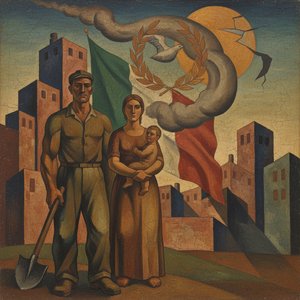
Mario Sironi: A Poetic of Modern Italian Identity Through Symbolism & Social Commentary
Explore the profound works of Mario Sironi, a key figure in Italian Modernism. Discover his evolution from Futurism to Metaphysical painting and his powerful social commentary. Learn about his legacy at OriginalUniqueArt.

Mastering Devotion: The Most Iconic Depictions of Saint Jerome in Art History
Explore the profound iconography of Saint Jerome through art history's most iconic masterpieces. From Renaissance serenity to Baroque drama, discover how legendary painters captured divine devotion in breathtaking oil paintings and fine art reproductions.

Divine Legacy: Exploring the Most Powerful Masterpieces of Saint Peter through Art History
Embark on a sophisticated journey through art history with our exploration of Saint Peter's most powerful masterpieces. Discover the profound emotional depth and technical brilliance of Renaissance and Baroque icons, curated for the discerning classic art enthusiast.

Carlo Carrà: Futurist Visions & Metaphysical Transformations in Early 20th-Century Italian Painting
Explore the artistic journey of Carlo Carrà, a pivotal figure in Italian Futurism & Metaphysical painting. Discover his dynamic compositions, collaborations with de Chirico, and lasting influence on modern art history.

Giovanni Fattori: Realism, Identity & the Tuscan Landscape – A Macchiaioli Master
Explore the life & art of Giovanni Fattori, a leading figure of the Macchiaioli movement. Discover his revolutionary realism, captivating Tuscan landscapes, and lasting impact on Italian painting. Learn more at OriginalUniqueArt.

