Примерить в интерьере
 Отправить
 Поделиться
 Подробнее
 Руководство

 Скачать
 Похожие объекты
 Рентгенография
 Слайд-шоу
 Статистика
King Lear


 Развернуть текст
Жикле / Арт-принты
Печать (жикле) или холст музейного качества с быстрыми сроками изготовления и широким выбором вариантов отделки. ( Заказать репродукцию ручной работы Перейти к цифровым изображениям)




P118B $10

P118H $10

P118W $10

P438Z $10

P508JH $12

P508YH $12

P805H $10

P805Z $10

P919BZ $10

P919G $10

P919XJ $10

P959ZH $10

P968JZ $12

W106C $8

W218G $10

W218JH $8

W218Y $10

W307PJ $10

W316G $10

W316PJ $8

W316Y $10

W398PJ $8

W4111J $10

W500HY $15

W500JH $15

W692G $12

W849H $8

W940BG $15

W953PJ $8




Выберите один из наших стандартных размеров, соответствующих оригинальным пропорциям произведения искусства.

Введите необходимую ширину и высоту, чтобы репродукция подошла к вашей раме или стене. При печати изображение можно только уменьшить, но нельзя увеличить больше оригинала, поэтому при выборе другого формата часть изображения может быть обрезана. Перед печатью мы отправим вам цифровой макет на утверждение. Изображение на этой странице не отображает реальную обрезку — ее можно увидеть только на макете.
Доставка по всему миру () за 2 недели вместо стандартных 4–5 недель. (20 Октябрь)

Бесплатная экспресс-доставка по всему миру

Высококачественный льняной холст

Полное страхование при транспортировке

Гарантия возврата таможенных пошлин

Гарантия точного цветового соответствия

100-дневный период возврата (только при обнаружении дефектов)

Гарантия возврата 100% средств

Скидка при заказе нескольких работ
 Вариант со стеклом доступен только для размеров менее 110 см

King Lear
Жикле / Арт-принты
Размер репродукции
-


Итоговая стоимость
$ 80
King Lear – A Dramatic Tableau by Benjamin West
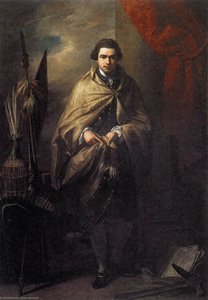
Benjamin West’s “King Lear” stands as a monumental achievement of Neoclassicism, capturing the visceral anguish and moral reckoning at the heart of Shakespeare's iconic tragedy. Executed in 1788, this oil on canvas masterpiece resides within the Museum of Fine Arts Boston’s collection, offering viewers an unparalleled glimpse into West’s artistic vision and his profound engagement with the intellectual currents shaping eighteenth-century Europe. The painting depicts a pivotal moment from Lear’s descent into madness – specifically, the agonizing confrontation between Lear and Cordelia, his youngest daughter who refuses to lavish him with empty praise. The composition is deliberately austere, prioritizing clarity of form and emotional intensity over elaborate ornamentation. West employs a dramatic pyramidal structure, anchoring Lear at the apex while positioning Cordelia and her entourage below, emphasizing Lear’s dominance yet simultaneously conveying his vulnerability. The stark contrast between light and shadow contributes significantly to the painting's emotive power, highlighting Lear’s tormented gaze and illuminating the faces of those around him with an unsettling glow. This masterful use of chiaroscuro underscores the psychological drama unfolding before the viewer’s eyes. West’s technique is characterized by meticulous detail and a commitment to capturing realistic textures—particularly evident in Cordelia's gown and the folds of Lear’s robe. He skillfully blends pigments to achieve subtle gradations of color, creating an atmosphere of palpable sorrow and despair. The artist’s painstaking attention to anatomical accuracy reflects the influence of classical sculpture, demonstrating West’s dedication to upholding artistic standards rooted in Greco-Roman ideals. Beyond its formal brilliance, “King Lear” resonates deeply with themes explored throughout Shakespeare's play – filial piety, betrayal, justice, and the consequences of unchecked ambition. The depiction of Lear’s suffering serves as a powerful reminder of human fallibility and the devastating repercussions of prioritizing ego over compassion. Furthermore, the inclusion of Cordelia and her loyal supporters symbolizes hope amidst darkness, representing the enduring power of integrity and moral fortitude. The painting's historical context is crucial to understanding its significance. Produced during the Enlightenment, “King Lear” embodies the era’s fascination with philosophical inquiry and moral contemplation. West’s work aligns seamlessly with the broader artistic movement advocating for reason and virtue—a deliberate choice reflecting his own humanist convictions. It continues to inspire artists and collectors alike, cementing West's legacy as a champion of dramatic narrative and psychological realism within the canon of Western art.- Artist: Benjamin West
- Year Created: 1788
- Medium: Oil on Canvas
- Location: Museum of Fine Arts Boston
Further Exploration:
To delve deeper into the artistic legacy of Benjamin West and the enduring fascination with Shakespeare’s “King Lear,” consider visiting these resources:Related Artwork:
Explore other captivating pieces by Benjamin West:Artist Database:
Discover more about Benjamin West’s artistic journey:Articles & Insights:
Gain valuable perspectives on West's influence and the broader context of his work:Native American Portraiture:
Explore Charles Bird King’s remarkable depictions of Native American dignity through portraiture and cultural exchange. Learn more about his artistic techniques and the historical significance of these captivating artworks.Вопросы и ответы
Насколько насыщенны цвета в работе "King Lear"?
Насыщенность цвета в работе «King Lear» составляет Subtle Color, а интенсивность — Monochromatic.
Какой преобладающий цвет в произведении «King Lear», Бенджамин Вест?
Espresso (#4a3020) — преобладающий цвет в работе «King Lear», Бенджамин Вест.
Какое национальное происхождение лежит в основе Neoclassicism произведения «King Lear»?
«King Lear» связывает направление Neoclassicism с Соединенные Штаты Америки через место рождения его создателя.
Биография художника
A Pioneer Bridging Worlds: The Life and Legacy of Benjamin West
Born in 1738 amidst the burgeoning landscape of colonial Pennsylvania, Benjamin West emerged as a pivotal figure in the transatlantic art world, a painter who skillfully navigated the currents of Neoclassicism and Romanticism while forging a uniquely American artistic identity. His story is one of remarkable self-education, unwavering ambition, and an extraordinary ability to connect with both aristocratic patrons and revolutionary ideals. From humble beginnings—his father an innkeeper in Springfield—West’s innate talent was nurtured by early exposure to the arts, reportedly learning rudimentary techniques from Native Americans before receiving any formal training. This unconventional start instilled within him a spirit of innovation that would characterize his entire career. He quickly established himself as a sought-after portraitist in Philadelphia and New York, but a thirst for deeper artistic knowledge propelled him towards Europe in 1760, embarking on a journey that would irrevocably alter the course of American art.From Italy to London: Forging a Path to Recognition
West’s arrival in Italy marked a turning point. Immersing himself in the artistic heartland of Europe, he studied the masters—Titian, Raphael—and engaged with contemporary Neoclassical thinkers like Anton Rafael Mengs and Angelica Kauffman. This period was crucial in shaping his aesthetic sensibilities, instilling within him an appreciation for classical form and historical narrative. He spent years meticulously copying works by these giants, absorbing their techniques and developing a profound understanding of composition, color theory, and the idealized beauty championed by Neoclassicism. However, it was London that ultimately became his adopted home and artistic center. Arriving in 1763, West swiftly ascended the ranks of the British art scene, captivating audiences with his ambitious canvases and securing the patronage of King George III. This royal endorsement not only provided financial stability but also cemented his position as a leading figure within the establishment. A defining moment came with his election to the Royal Academy in 1769, an institution he would later preside over as President from 1792 until his death. His influence extended beyond his own artistic production; West became a champion for American artists seeking training in Europe, offering guidance and support to generations of aspiring painters like Allston, Copley, and Morse.Revolutionizing Historical Painting: Technique and Controversy
West’s impact on the art world wasn't merely about achieving technical mastery; it was about challenging conventions. He dared to reimagine historical painting, moving away from rigid adherence to classical precedent and embracing a more contemporary sensibility. The Death of General Wolfe (1770), arguably his most famous work, exemplifies this revolutionary approach. By depicting the fallen general surrounded by figures in *contemporary* military attire rather than traditional Roman garb, West sparked considerable debate. Critics questioned the historical accuracy, but audiences were captivated by the immediacy and emotional resonance of the scene. It was a bold move, reflecting a shift towards greater realism and narrative power in history painting—a departure from the idealized, often distant depictions favored by earlier artists. This work demonstrated his willingness to experiment with modern dress within a classical framework, setting a precedent for future generations of historical painters. His style evolved over time, incorporating elements of Romanticism into his later works, yet always retaining a commitment to ambitious composition and detailed execution. Other notable pieces like Thetis Bringing the Armor to Achilles, The Three Sisters, The Fright of Astyanax, and The Cave of Despair demonstrate his versatility and mastery across a range of mythological and historical themes.A Lasting Legacy: Shaping Artistic Identity
Benjamin West’s legacy extends far beyond the canvases he created. He fundamentally altered the landscape of American art, establishing history painting as a viable genre for American artists and fostering a sense of national artistic identity. His presidency of the Royal Academy solidified his influence on British art, promoting innovation and supporting emerging talent.- He championed a more accessible and emotionally engaging style of historical representation.
- His studio became a haven for American artists seeking training in Europe.
- He bridged the gap between Neoclassicism and the burgeoning Romantic movement.

Бенджамин Вест
1738 - 1820 , Соединенные Штаты Америки
Краткая справка
- Artistic Movement Or Style: Неоклассицизм, Романтизм
- Artists Or Movements Influenced By This Artist:
- Аллстон
- Копли
- Морс
- Artists Who Influenced This Artist:
- Титян
- Рафаэль
- Менгс
- Гамвитт
- Кауффман
- Date Of Birth: 1738-10-10
- Date Of Death: 1820-03-11
- Full Name: Benjamin West
- Nationality: Американский
- Notable Artworks:
- Смерть генерала Вулф
- Тетис с доспехами для Ахиллеса
- Три сестры
- Испуг Астанакса
- Place Of Birth: Springfield, США
Похожие статьи

Giclée Prints: Archival Quality & Aesthetic Nuances for the Discerning Collector
Explore the world of giclée prints with OriginalUniqueArt. Learn about archival quality, aesthetic nuances & investment potential. Expert guidance for discerning art collectors seeking museum-quality reproductions and lasting value.

The Enduring Legacy of Printmaking: Techniques, Themes & Artistic Innovation Across Centuries
Explore the rich history of printmaking with OriginalUniqueArt. Discover techniques from intaglio to lithography, learn about collecting valuable prints & find museum-quality reproductions. Expert insights for art enthusiasts and collectors.

Echoes of Time: Exploring the Enduring Appeal & Historical Context of Vintage Art Prints
Explore the captivating world of vintage art prints! Discover their history, collecting tips & enduring appeal. Expert insights on chromolithography and building a legacy collection with OriginalUniqueArt.

The Enduring Legacy of Fine Art Prints: Technique, History & Aesthetic Impact
Explore the rich history & techniques of fine art prints. Discover investment potential, assess authenticity, and learn how to preserve your collection with expert guidance. Trusted insights for discerning collectors.

Benjamin West: Transatlantic Ambition & Shaping American Art
Explore the life & legacy of Benjamin West, pioneering American artist and Royal Academy president. Discover his Neoclassical masterpieces, transatlantic influence, and lasting impact on art history. Learn more at OriginalUniqueArt.