Symbolism
La peste (Арнольд Бёклин)
Арнольд Бёклин (1827–1901) создал(а) La peste. Относится к направлению Symbolism. Выполнено в технике Oil On Canvas.
- Oil On Canvas

 Предпросмотр

 Картина маслом ручной работы
 Поделиться
 Поделиться
 Информационный лист


 Скачать
 Похожие предметы
 Рентгенография
 Слайд-шоу
 Вопросы и ответы

 Статистика просмотров
La peste вкратце
- Название
- La peste
- Автор
- Арнольд Бёклин (1827–1901)
- Дата рождения художника
- Базель, Швейцария
- Техника
- Oil On Canvas
- Движение
- Symbolism
- Период
- 19th Century
- Сюжет
- monster, rider, buildings, dead bodies, sky, red cloth
Что изображено на La peste?
The Shadow of Mortality
In this unsettling scene, we find ourselves witnessing a moment of profound, inevitable decay. A monstrous, winged creature, reminiscent of a bat, moves through the narrow streets of a medieval European city. Atop this beast sits a skeletal figure, a personification of death that moves with a terrifying, silent purpose. The atmosphere is heavy, thick with a hazy, yellow-grey light that suggests a world choked by sickness. There is a sense of chaos here, yet it is a quiet, suffocating kind of chaos. The buildings, with their rigid, angular lines, seem to press in on the viewer, creating a claustrophobic environment where escape feels impossible.
The color palette is deliberately somber, leaning heavily into the earthy tones of ochre, brown, and grey. However, there is a specific, unsettling use of pale green—a hue often associated with the physical reality of decomposition—that permeates the work. This sickly tint contrasts sharply with the single, startling shock of red found in the foreground. A woman lies there, her clothing a vivid crimson against the muted, dying world around her, a stark reminder of the human cost of the plague passing through the streets.
Symbolic Elements and Composition
The composition is structured with a certain architectural precision that heightens the sense of dread. The rider and the beast form a central, pyramidal apex that draws the eye upward and then forces it back down toward the suffering below. The artist uses several layers of visual language to communicate the theme of pestilence:
- The winged creature, acting as a vessel for the plague, disrupts the orderly geometry of the urban landscape.
- The use of atmospheric perspective, where the background fades into a murky haze, suggests an endless, spreading contagion.
- The fallen figures in the foreground and middle ground represent the victims, their forms partially obscured by shadow and the weight of the scene.
- The contrast between organic, irregular shapes of the monster and the rigid, rectangular shapes of the architecture emphasizes the unnatural intrusion of death into civilization.
The technique involves a careful layering of oil paints, creating a texture that feels both rough and weathered. In certain areas, the impasto is visible, giving the creature a visceral, tactile presence. This physical depth mirrors the psychological depth of the subject matter, where the veil between the physical world and a nightmare state feels dangerously thin.
The Weight of the Unseen
There is a profound stillness in the way the figures are arranged, despite the violence of the subject. It is a stillness born of hopelessness. The lighting is diffused and uneven, casting deep shadows that hide as much as they reveal. This lack of a clear light source contributes to the sense of mystery and the feeling that the plague is an unstoppable, elemental force rather than a mere biological event. The work captures a specific tension between the tangible reality of a city and the intangible, spectral presence of death, leaving the viewer with a lingering sense of unease that remains long after the first glance.
Изображения в высоком разрешении: La peste
Общественное достояние: художник умер в 1901.
Арнольд Бёклин, La peste. Общественное достояние
Ответы на вопросы о La peste
В какой технике выполнено произведение «La peste», Арнольд Бёклин?
Техника исполнения работы «La peste», Арнольд Бёклин — Oil On Canvas. Репродукции стремятся максимально точно передать особенности этой техники.
Что изображено на картине «La peste», Арнольд Бёклин?
Сюжеты произведения «La peste» — это monster, rider, buildings, dead bodies, sky, red cloth, cityscape.
Является ли произведение «La peste», Арнольд Бёклин общественным достоянием?
Что касается авторских прав, произведение «La peste» находится в общественное достояние — срок действия авторского права истёк.
Кто создал "La peste"?
Авторство работы «La peste» приписывается Арнольд Бёклин.
К какому стилю относится «La peste»?
Художественное направление, к которому относится «La peste», Арнольд Бёклин, — это Symbolism. Такая классификация позволяет соотнести данную работу с другими произведениями и мастерами того же периода.
К какому периоду творчества Арнольд Бёклин относится произведение «La peste»?
В творческом наследии Арнольд Бёклин работа «La peste» относится к периоду Late Period. Этот этап позволяет сопоставить её с другими произведениями художника.
Является ли произведение «La peste» работы Арнольд Бёклин общественным достоянием, и почему?
«La peste», Арнольд Бёклин находится в общественное достояние — срок действия авторского права истёк. Срок действия авторского права исчисляется со смерти художника, наступившей в 1901.
Как работа «La peste» соотносится с темами и стилем Арнольд Бёклин?
«La peste» относится к работам Арнольд Бёклин в рамках направления Symbolism, ключевыми темами которого являются symbolist movement, mythology and mortality, themes of death, war and pestilence, exploration of the subconscious.
Как сюжет произведения «La peste» соотносится с привычными темами Арнольд Бёклин?
Повторяющиеся темы в творчестве Арнольд Бёклин включают symbolist movement, mythology and mortality, themes of death, war and pestilence, exploration of the subconscious; работа «La peste» сосредоточена на monster, rider, buildings, dead bodies, sky, red cloth, cityscape.
Об авторе, Арнольд Бёклин
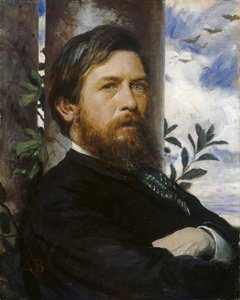
1827–1901, Швейцария
Арнольд Бёклин
Тень острова Базель, Швейцария, стал отправной точкой для жизни, пронизанной напряжением между осязаемым и призрачным. Родившись 16 октября 1827 года в семье Кристиана Фредерика Бёклина и Урсулы Липпе, этот человек со временем оставил семейное дело — торговлю шелком — и перешел к строгим залам Дюссельдорфской академии. Под руководством Шиммера он начал постигать язык пейзажа — навык, который позже поможет ему наносить на холст географию человеческой души. Он не просто писал декорации; он создавал миры, где сталкиваются классика и макабрическое.
Другие работы Арнольд Бёклин
 Остров мертвых (Первая версия)1880
 Автопортрет со смертью, играющей на скрипке
 Война1896
 The Isle of the Dead (Version 2)1880
Эссе к произведению La peste
 Beyond Reality: Unveiling the Enigmatic Depths of Metaphysical Art and its Philosophical EchoesExplore the profound mystery of Metaphysical Art. Delve into the philosophical depths of Giorgio de Chirico’s dreamscapes and discover how …
 25 Essential Works by Arnold Böcklin: A Journey Through Myth and SymbolismExplore 25 iconic Arnold Böcklin paintings and Symbolist works. Discover the full collection online at OriginalUniqueArt.com.
 Swiss artworks of the 1890sSwiss Symbolism in the 1890s features the iconic works of Félix Vallotton and Arnold Hodler. View the full collection online at OriginalUni…