
 Предпросмотр
 Поделиться
 Поделиться
 Детали произведения
 Руководство

 Скачать
 Похожие предметы
 Рентгенография
 Слайд-шоу
 Вопросы и ответы
 Статистика просмотров
Фрагмент стены


 Читать далее
Жикле и арт-принты
Печать (жикле) или холст музейного качества с быстрыми сроками изготовления и широким выбором вариантов отделки. ( Купить картину ручной работы Перейти к цифровым изображениям)




P118B $10

P118H $10

P118W $10

P438Z $10

P508JH $12

P508YH $12

P805H $10

P805Z $10

P919BZ $10

P919G $10

P919XJ $10

P959ZH $10

P968JZ $12

W106C $8

W218G $10

W218JH $8

W218Y $10

W307PJ $10

W316G $10

W316PJ $8

W316Y $10

W398PJ $8

W4111J $10

W500HY $15

W500JH $15

W692G $12

W849H $8

W940BG $15

W953PJ $8




Выберите один из наших стандартных размеров, соответствующих оригинальным пропорциям произведения искусства.

Введите необходимую ширину и высоту, чтобы репродукция подошла к вашей раме или стене. При печати изображение можно только уменьшить, но нельзя увеличить больше оригинала, поэтому при выборе другого формата часть изображения может быть обрезана. Перед печатью мы отправим вам цифровой макет на утверждение. Изображение на этой странице не отображает реальную обрезку — ее можно увидеть только на макете.
Доставка по всему миру () за 2 недели вместо стандартных 4–5 недель. (5 Ноябрь)

Бесплатная экспресс-доставка по всему миру

Высококачественный льняной холст

Полное страхование при доставке

Гарантия возмещения таможенных пошлин

Гарантия точного цветового соответствия

100-дневная гарантия возврата (только при обнаружении дефектов)

Гарантия возврата 100% средств

Скидка при оптовом заказе
 Вариант со стеклом доступен только для размеров менее 110 см

Фрагмент стены
Жикле и арт-принты
Размер репродукции
-


Итоговая стоимость
$ 81
Фрагмент росписи стены: Антонио Босио
Этот фрагмент росписи стены работы итальянского художника Антонио Босио является выдающимся образцом раннего барокко и представляет собой уникальный исторический документ. Созданный в 1632 году, этот рисунок был одним из первых систематических исследований подземного Рима – «Колумба катакомб». Босио был не только талантливым художником, но и ученым-археологом, который посвятил свою жизнь изучению древних христианских памятников и их символической значимости. Этот фрагмент является частью более масштабной работы Босио – «Рома Сотерранеа», которая стала первым научным исследованием катакомб и оказала огромное влияние на формирование современной археологии и искусствоведения.- Стиль: Раннее барокко. Этот стиль характеризуется драматическим использованием света и тени, эмоциональной выразительностью и стремлением передать ощущение величия и духовной глубины. Фрагмент росписи демонстрирует типичные черты эпохи Возрождения и его влияние на последующие художественные направления.
- Техника: Тональная живопись с использованием хатчинга и крестообразных штрихов. Босио мастерски использовал технику хатчинга – метод передачи светотени путем плотных перекрестных линий – чтобы создать реалистичные изображения и подчеркнуть объемность формы. Этот метод был распространен в эпоху Возрождения и особенно ценился за свою способность передавать тончайшие оттенки цвета и текстуры поверхности.
- Композиция: Центральная часть рисунка изображает религиозную сцену с фигурами святых и большим крестом, что является характерным мотивом христианской живописи того времени. Архитектурный фон напоминает арку или портал и служит фоном для основной композиции. Использование перспективы создает ощущение глубины пространства и подчеркивает масштабность изображения.
- Материалы: Фрагмент росписи был выполнен в технике гравюры на бумаге, что является свидетельством высокого уровня мастерства Босио и его времени. Этот метод позволял создавать детализированные изображения с использованием тонких линий и обеспечивал стабильность цвета и формы при воспроизведении работы.
Символизм и Эмоциональное Воздействие
Крест является одним из наиболее важных символов христианской религии и отражает идею спасения души и надежды на жизнь после смерти. Фигуры святых изображены с выражением благоговения и смирения, что подчеркивает духовный смысл произведения искусства. Использование хатчинга и крестообразных штрихов создает ощущение глубины и эмоциональной насыщенности изображения, приглашая зрителя к размышлению о вечных ценностях и религиозной вере. Фрагмент росписи Босио является свидетельством мастерства художника и его способности передать сложные идеи и эмоции через язык живописного искусства. Этот рисунок вдохновляет на поиски красоты и гармонии в мире и напоминает о важности духовных традиций и культуры прошлого.Вопросы и ответы
Цвета в работе «Фрагмент стены», Antonio Bosio насыщенные или приглушенные?
Цвета в работе «Фрагмент стены», Antonio Bosio обладают Приглушённый насыщенностью. Насыщенность определяет, насколько яркими или приглушенными являются цвета.
Где я могу найти путеводитель по «Фрагмент стены»?
Страница Справочный материал для работы «Фрагмент стены», Antonio Bosio представляет собой печатный информационный лист из двух страниц: само произведение с таблицей идентификации, временную шкалу, позволяющую соотнести его с периодом жизни автора, другие работы художника, измеренную цветовую палитру и готовые к копированию цитаты в четырех стилях.
В какой технике выполнено произведение «Фрагмент стены», Antonio Bosio?
Техника исполнения работы «Фрагмент стены», Antonio Bosio — Акрил на холсте. Репродукции стремятся максимально точно передать особенности этой техники.
Биография художника
A Life Dedicated to Unearthing the Sacred Past
Antonio Bosio, born in Valletta, Malta around 1575, was a figure whose life transcended the typical boundaries of artistic practice. While often remembered as a painter, his true legacy lies in his pioneering archaeological work—specifically, his meticulous and passionate exploration of the Roman catacombs. Bosio’s story is one of dedication, intellectual curiosity, and a profound desire to connect with the early Christian world. His family background remains somewhat shrouded in mystery; historical accounts suggest a complex lineage involving a father bound by religious vows and a mother who may have been a North African slave or servant. This personal ambiguity perhaps fueled his lifelong fascination with hidden histories and marginalized narratives.
Bosio’s journey to Rome as a child marked a turning point in his life. He quickly became integrated into the circles of the Knights of Malta, eventually serving as their agent within the city. However, it was not through diplomatic duties that he found his calling but through an insatiable thirst for knowledge about the ancient world beneath his feet. In 1593, he embarked on a systematic study of the catacombs—a network of subterranean burial places used by early Christians and Jews. This undertaking was revolutionary for its time; previous explorations had been sporadic and largely undocumented. Bosio approached the task with an almost scientific rigor, meticulously mapping tunnels, documenting frescoes, and collecting artifacts.
The Roma Sotterranea: A Monumental Publication
Bosio’s most enduring achievement is undoubtedly his *Roma Sotterranea*, a comprehensive account of his catacomb explorations. Published posthumously in 1634, the work represents a monumental effort to preserve and disseminate knowledge about early Christian art and history. The publication wasn't merely a descriptive catalog; it was an attempt to reconstruct the spiritual and cultural landscape of Rome’s earliest communities. The engravings within *Roma Sotterranea* are particularly noteworthy for their detail and accuracy, providing invaluable visual documentation of frescoes that have since deteriorated or been lost. Bosio’s line work captures not only the physical form of the paintings but also a sense of the atmosphere—the dim light, the damp stone, the weight of centuries.
The creation of *Roma Sotterranea* was a painstaking process. Bosio faced numerous challenges, including limited access to certain catacombs, the logistical difficulties of working in subterranean environments, and the lack of established archaeological techniques. He relied heavily on his own observations, supplemented by information gathered from local informants and existing historical sources. The publication’s impact was immediate and far-reaching; it became a standard reference work for scholars and artists alike, shaping perceptions of early Christian art for generations to come.
Artistic Style & Religious Context
While primarily known as an archaeologist, Bosio was also a skilled painter. His artistic style reflects the influence of the Baroque movement—characterized by dramatic compositions, rich colors, and a heightened sense of emotion. He specialized in wall paintings, often depicting religious scenes with a focus on martyrdom and divine intervention. His work can be found in various churches and chapels around Valletta, showcasing his mastery of fresco technique and his ability to convey complex theological concepts through visual imagery.
Bosio’s artistic endeavors were deeply intertwined with his archaeological pursuits. His study of early Christian art informed his own painting style, leading him to incorporate elements of ancient iconography and symbolism into his compositions. He sought to create works that not only celebrated the faith but also evoked a sense of spiritual awe and reverence. The religious context of Bosio’s life—his association with the Knights of Malta and his dedication to uncovering the sacred past—played a crucial role in shaping his artistic vision.
Legacy & Historical Significance
Antonio Bosio's contribution extends beyond the realm of art history; he is considered a foundational figure in the development of modern archaeology. His systematic approach to excavation, documentation, and publication set a new standard for archaeological research. He was among the first to recognize the importance of preserving cultural heritage and making it accessible to a wider audience.
- Pioneering Methodology: Bosio’s meticulous mapping and documentation techniques laid the groundwork for future archaeological investigations.
- Preservation of Early Christian Art: *Roma Sotterranea* provided invaluable visual records of frescoes that have since been lost or damaged.
- Influence on Scholarship & Art: His work became a standard reference for scholars and artists, shaping perceptions of early Christian art for centuries.
- Connecting Past & Present: Bosio’s dedication to uncovering the sacred past fostered a deeper understanding of Rome’s cultural heritage.
Though his life was cut short in 1629, Antonio Bosio left an indelible mark on the world. He remains a testament to the power of intellectual curiosity, unwavering dedication, and the enduring human desire to connect with the stories of those who came before us. His legacy continues to inspire archaeologists, art historians, and anyone fascinated by the mysteries of the past.
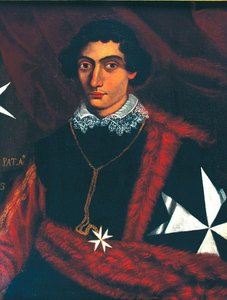
Antonio Bosio
1575 - 1629 , Malta
Об авторе
- Full Name: Antonio Bosio
- Nationality: Maltese
- Date Of Birth: 1575
- Date Of Death: 1629
- Place Of Birth: Valletta, Malta
- Notable Artworks: ['Roma Sotterranea']
- Artistic Movement Or Style: Baroque Painting
- Artists Or Movements Influenced By This Artist: ['Giovanni Battista de Rossi']
Похожие статьи

Барочная драма: Искусство величия в современном интерьере
Погрузитесь в мир роскоши и величия барокко! Узнайте об истории стиля, ключевых элементах интерьера и архитектуре. Вдохновляйтесь с и создайте свой неповторимый дизайн.

The Intricate World of Engraving: A Historical Survey of Technique, Artistic Expression & Enduring Legacy
Explore the rich history of engraving with OriginalUniqueArt. Discover techniques, iconic artists like Dürer & Callot, collecting tips, and expert guidance for preserving your art investment. Learn about intaglio printing & more!

Engraving: A Historical Survey of Technique, Artistic Expression & Enduring Legacy
Explore the rich history of engraving with OriginalUniqueArt. Discover techniques, iconic artists like Dürer & Callot, collecting tips, and expert guidance for preserving your art investment. Learn about intaglio printing & more!
10 шедевров гравюры, изменивших искусство навсегда | OriginalUniqueArt
Откройте для себя 10 легендарных шедевров гравюры от Дюрера, Гойи и Рембрандта! Узнайте историю создания этих культовых работ и их влияние на искусство. Репродукции высокого качества для вашего интерьера – OriginalUniqueArt.

The Dramatic Flourish: Exploring the Baroque Movement's Enduring Legacy in Art History
Explore the dramatic world of Baroque art! Discover iconic artists like Caravaggio & Rubens, defining techniques, and its lasting impact on art history. Expert insights for collectors & enthusiasts at OriginalUniqueArt.
