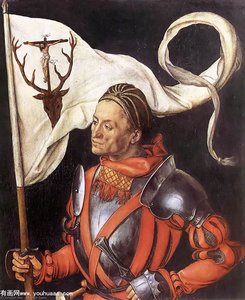
Примерить в интерьере
 Отправить
 Поделиться
 Подробнее
 Руководство

 Скачать
 Похожие объекты
 Рентгенография
 Слайд-шоу
 Статистика
Новый год


 Развернуть текст
Жикле / Арт-принты
Печать (жикле) или холст музейного качества с быстрыми сроками изготовления и широким выбором вариантов отделки. ( Заказать репродукцию ручной работы Перейти к цифровым изображениям)




P118B $10

P118H $10

P118W $10

P438Z $10

P508JH $12

P508YH $12

P805H $10

P805Z $10

P919BZ $10

P919G $10

P919XJ $10

P959ZH $10

P968JZ $12

W106C $8

W218G $10

W218JH $8

W218Y $10

W307PJ $10

W316G $10

W316PJ $8

W316Y $10

W398PJ $8

W4111J $10

W500HY $15

W500JH $15

W692G $12

W849H $8

W940BG $15

W953PJ $8




Выберите один из наших стандартных размеров, соответствующих оригинальным пропорциям произведения искусства.

Введите необходимую ширину и высоту, чтобы репродукция подошла к вашей раме или стене. При печати изображение можно только уменьшить, но нельзя увеличить больше оригинала, поэтому при выборе другого формата часть изображения может быть обрезана. Перед печатью мы отправим вам цифровой макет на утверждение. Изображение на этой странице не отображает реальную обрезку — ее можно увидеть только на макете.
Доставка по всему миру () за 2 недели вместо стандартных 4–5 недель. (22 Октябрь)

Бесплатная экспресс-доставка по всему миру

Высококачественный льняной холст

Полное страхование при транспортировке

Гарантия возврата таможенных пошлин

Гарантия точного цветового соответствия

100-дневный период возврата (только при обнаружении дефектов)

Гарантия возврата 100% средств

Скидка при заказе нескольких работ
 Вариант со стеклом доступен только для размеров менее 110 см

Новый год
Жикле / Арт-принты
Размер репродукции
-


Итоговая стоимость
$ 80
Мгновение, застывшее во времени: «Новый год» Альбрехта Дюрера
Картина «Новый год», приписываемая кисти Альбрехта Дюрера, предстает как пугающе прекрасное свидетельство тревог и чаяний Германии эпохи Возрождения. Завершенное в 1514 году, в период религиозных потрясений и политической нестабильности — когда Реформация набирала силу по всей Европе — это произведение искусства выходит за рамки простого визуального представления; оно погружается в глубокие психологические сложности и воплощает символические жесты, которые продолжают находить отклик в сердцах зрителей спустя столетия.- Сюжет: Композиция изображает двух обнаженных женщин, вовлеченных в тревожную сцену. Одна женщина доминирует в пространстве, с решительной силой хватая свою соперницу за волосы. Это динамичное взаимодействие мгновенно создает ощутимое напряжение — борьбу за контроль, которая, возможно, отражает более широкие социальные конфликты той эпохи.
- Стиль и техника: Мастерское использование Дюрером приемов гравюры воплощает в себе тщательную точность, характерную для искусства Северного Возрождения. Сложная работа линий с поразительной точностью передает тончайшие нюансы мускулатуры и драпировок, демонстрируя преданность анатомическому реализму, который был новаторским для своего времени. Процесс офорта позволил добиться тональных вариаций — игры теней и света, — усиливающих драматизм сцены.
- Исторический контекст: Созданная в разгар бурной Реформации, картина «Новый год» говорит об опасениях, связанных с верой и моралью. Изображение женских фигур, борющихся с уязвимостью, отражает идеи, преобладавшие в гуманистической мысли относительно роли женщины в обществе и вызовов, с которыми сталкиваются люди, стремящиеся к духовной чистоте. Работа Дюрера созвучна более широкому художественному движению, стремившемуся исследовать человеческие эмоции и психологические состояния, — отходу от идеализированных образов, предпочитаемых художниками итальянского Возрождения.
- Символизм: Расположение женщин, переплетенных, но при этом кажущихся противоборствующими сторонами, несет в себе символическую нагрузку. Некоторые исследователи интерпретируют это как репрезентацию дуализма, присущего человеческому опыту: конфликта между желанием и сдержанностью, страстью и разумом. Три кубка, разбросанные по комнате, могут символизировать плодородие или изобилие — обнадеживающий контрапункт скрытому напряжению внутри образа.
- Эмоциональное воздействие: «Новый год» вызывает у зрителя висцеральный, глубокий отклик. Его тревожная интимность заставляет задуматься о темах динамики власти, уязвимости и человеческой природы. Способность Дюрера передавать эмоции через визуальный язык поразительна: он фиксирует не только то, что видно глазу, но и то, что чувствует душа, — глубокое достижение, закрепляющее за этим полотном статус одного из самых непреходящих шедевров Ренессанса.
Вопросы и ответы
Какова насыщенность и интенсивность цветов в работе «Новый год», Альбрехт Дюрер?
Цвета произведения «Новый год», Альбрехт Дюрер демонстрируют Приглушенный цвет насыщенность при Сбалансированный интенсивности.
Является ли «Новый год», Альбрехт Дюрер светлой или темной работой?
Зафиксированные значения для «Новый год», Альбрехт Дюрер: яркость — сбалансированная, светлота — Мягкая тень.
Какому периоду творчества Альбрехт Дюрер соответствует дата создания «Новый год» (1514 г.)?
Дата создания 1514 позволяет отнести «Новый год» к Зрелый период творчества Альбрехт Дюрер.
Биография художника
A Life Forged in Nuremberg: The Early Years and Apprenticeship
Albrecht Dürer, a name synonymous with the German Renaissance, emerged from the bustling artisan city of Nuremberg in 1471. His father, Albrecht Dürer the Elder, was a successful goldsmith who had immigrated from Hungary, bringing with him a lineage steeped in craftsmanship. It was within this environment—the scent of metal and the meticulous precision of handiwork—that young Albrecht’s artistic inclinations first took root. Though his father envisioned a similar path for him, apprenticing him initially in the family trade, it soon became undeniable that Albrecht possessed an exceptional gift for drawing. At thirteen, he transitioned to the workshop of Michael Wolgemut, Nuremberg's leading artist at the time. This was no mere technical training; it was immersion into a world of illuminated manuscripts, painted panels, and—crucially—the burgeoning art of woodcut illustration. The sheer volume of work produced by Wolgemut’s workshop, including the extensive illustrations for the *Nuremberg Chronicle*, provided Dürer with an unparalleled foundation in design, composition, and the mechanics of image-making. A remarkable silverpoint self-portrait from 1484, created when he was barely a teenager, stands as astonishing evidence of his precocious talent—a testament to a burgeoning artistic identity already taking shape. This early work demonstrated not only technical skill but also a nascent desire to capture the essence of human form and emotion, foreshadowing the profound impact he would later have on European art.The Italian Influence and Artistic Maturation
Dürer’s ambition extended far beyond the confines of Nuremberg. Driven by an insatiable curiosity and a desire to master the art of painting, he embarked on his first journey to Italy in 1494. This was not simply a sightseeing trip; it was a pilgrimage to the heart of the Renaissance. He encountered the works of masters like Raphael, Giovanni Bellini, and Leonardo da Vinci—artists who were redefining the possibilities of form, perspective, and human expression. The impact of this exposure was profound. Dürer absorbed the classical motifs, harmonious compositions, and subtle sfumato techniques that characterized Italian art, yet he never abandoned his Northern European sensibility for meticulous detail and symbolic depth. He studied the grandeur of Rome’s ancient ruins, marveling at the remnants of a civilization that had mastered proportion and harmony. This journey ignited within him a desire to synthesize the best elements of both Northern and Southern artistic traditions, creating a style uniquely his own. A second sojourn to Italy between 1505 and 1507 further solidified these influences, allowing him to refine his understanding of anatomy and proportion through direct observation and study. This synthesis of Northern precision and Italian grace became the hallmark of Dürer’s unique artistic style—a testament to his intellectual curiosity and artistic ambition.Mastering the Mediums: Painting, Engraving, and Woodcut
Dürer was a master of multiple mediums, each offering him distinct avenues for creative expression. His paintings, though fewer in number than his prints, demonstrate a remarkable command of oil paint and an ability to capture both physical likeness and psychological depth. Works like the *Feast of the Rose Garlands* (1507) reveal a vibrant palette influenced by Venetian colorism—bold hues and shimmering effects that evoke a sense of festive celebration. However, it was in the realm of printmaking—particularly engraving and woodcut—that Dürer truly revolutionized artistic practice. He elevated these techniques from mere reproductive methods to independent art forms, capable of conveying complex narratives and profound emotions. The *Apocalypse* series (1498), a collection of fourteen woodcuts illustrating the Book of Revelation, showcased his mastery of this medium despite its inherent limitations—the intricate detail and dramatic compositions demanded extraordinary skill and patience. Later engravings like *Melencolia I* (1514) and *Saint Jerome in His Study* (1514) are testaments to his unparalleled skill—intricate compositions filled with symbolic meaning and executed with breathtaking precision. He didn’t just depict reality; he imbued it with layers of intellectual and spiritual significance, transforming the printed image into a powerful vehicle for communication and contemplation.A Theorist and Innovator: The Legacy of Albrecht Dürer
Dürer was not merely an artist; he was a scholar, a theorist, and an innovator who sought to understand the underlying principles governing artistic creation. He believed in the mathematical foundations of art and dedicated himself to establishing a scientific approach to representation. His treatises on geometry, proportion, and human anatomy—most notably *Four Books of Human Proportion* (1528)—were groundbreaking for their time, demonstrating his commitment to rigorous observation and rational analysis. These writings were not simply academic exercises; they were intended to elevate the status of artists from mere craftsmen to intellectual practitioners. Dürer’s meticulous studies of human anatomy, combined with his understanding of perspective and proportion, allowed him to create images that were both visually stunning and intellectually stimulating. His work influenced generations of artists, shaping the course of European art for centuries to come. He demonstrated that art could be both technically masterful and intellectually rigorous—a legacy that continues to inspire artists and scholars alike. He remains, to this day, one of the most important figures in the history of Western art.Influences and Enduring Impact
- Michael Wolgemut: Dürer’s initial mentor, providing foundational skills in drawing, painting, and woodcut techniques.
- Leonardo da Vinci: Inspired Dürer’s exploration of anatomy, perspective, and sfumato—the subtle blending of tones.
- Raphael: Influenced Dürer’s compositional harmony and idealized forms.
- Giovanni Bellini: Contributed to Dürer's understanding of color and Venetian painting traditions.
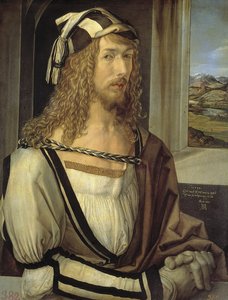
Альбрехт Дюрер
1471 - 1528 , Германия
Краткая справка
- Artistic Movement Or Style: Немецкий Ренессанс
- Artists Or Movements Influenced By This Artist:
- Северный Ренессанс
- Венская школа
- Artists Who Influenced This Artist:
- Леонардо да Винчи
- Рафаэль
- Джотто
- Date Of Birth: 21 мая 1471 г.
- Date Of Death: 6 апреля 1528 г.
- Full Name: Альбрехт Дюрер
- Nationality: Немецкий
- Notable Artworks:
- Апокалипсис
- Меланхолия I
- Святой Иосиф в его кабинете
- Place Of Birth: Нюрнберг, Германия
Похожие статьи
The Northern Awakening: Artistic Innovation & Cultural Transformation in the German Renaissance
Explore the artistic innovation of the German Renaissance! Discover Dürer, the Danube School & Reformation art. Learn about techniques, materials & lasting influence. Find museum-quality reproductions at OriginalUniqueArt.
Альбрехт Дюрер: 25 шедевров эпохи Возрождения для вашего интерьера | OriginalUniqueArt
Погрузитесь в мир Альбрехта Дюрера! 25 величайших гравюр и картин немецкого Ренессанса. Узнайте историю создания шедевров, символизм и технику художника. Репродукции высокого качества для вашего интерьера на OriginalUniqueArt.com.
Kay Rasmus Nielsen: A Golden Age Illustrator's Enchanting Legacy of Symbolism & Narrative
Explore the captivating world of Kay Rasmus Nielsen, a celebrated Golden Age illustrator renowned for his Art Nouveau fairy tale art & Disney contributions. Discover his unique style, enduring legacy, and how to collect his enchanting works.

Albrecht Dürer: A Renaissance Master's Legacy of Innovation and Self-Portraiture
Explore the life & art of Albrecht Dürer, a pivotal German Renaissance master. Discover his groundbreaking printmaking techniques, iconic self-portraits, and lasting influence on Western art history. A deep dive into innovation & symbolism.
Топ-25 шедевров Британского музея: искусство для вашего дома от OriginalUniqueArt
Погрузитесь в мир искусства с 25 шедеврами Британского музея! Узнайте истории Ван Гога, Моне и других великих художников. Репродукции картин для вашего дома от OriginalUniqueArt.com – вдохновение и качество.