 Примерить в интерьере
 Отправить
 Поделиться
 Подробнее
 Руководство

 Скачать
 Похожие объекты
 Рентгенография
 Слайд-шоу
 Статистика
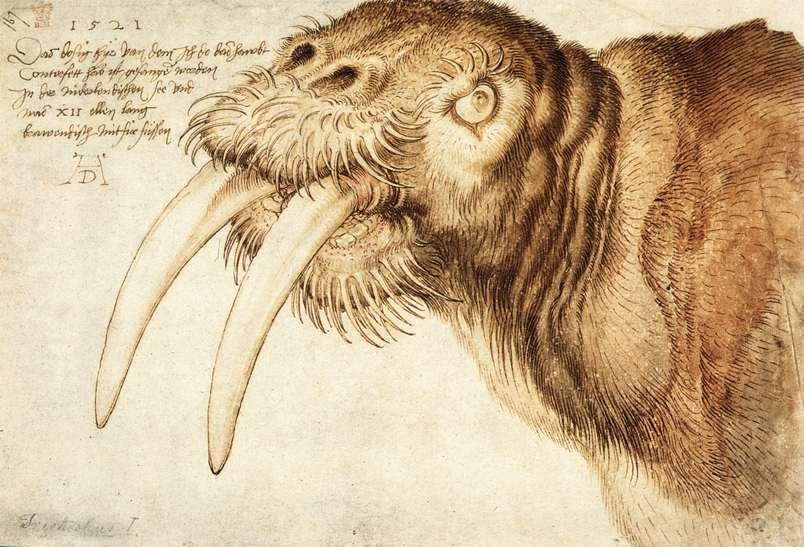
Морж
 Северное Возрождение
 1521
1521 206.0 x 315.0 cm
 Британский музей
 Развернуть текст
Жикле / Арт-принты
Печать (жикле) или холст музейного качества с быстрыми сроками изготовления и широким выбором вариантов отделки. ( Заказать репродукцию ручной работы Перейти к цифровым изображениям)




P118B $10

P118H $10

P118W $10

P438Z $10

P508JH $12

P508YH $12

P805H $10

P805Z $10

P919BZ $10

P919G $10

P919XJ $10

P959ZH $10

P968JZ $12

W106C $8

W218G $10

W218JH $8

W218Y $10

W307PJ $10

W316G $10

W316PJ $8

W316Y $10

W398PJ $8

W4111J $10

W500HY $15

W500JH $15

W692G $12

W849H $8

W940BG $15

W953PJ $8




Выберите один из наших стандартных размеров, соответствующих оригинальным пропорциям произведения искусства.

Введите необходимую ширину и высоту, чтобы репродукция подошла к вашей раме или стене. При печати изображение можно только уменьшить, но нельзя увеличить больше оригинала, поэтому при выборе другого формата часть изображения может быть обрезана. Перед печатью мы отправим вам цифровой макет на утверждение. Изображение на этой странице не отображает реальную обрезку — ее можно увидеть только на макете.
Доставка по всему миру () за 2 недели вместо стандартных 4–5 недель. (21 Октябрь)

Бесплатная экспресс-доставка по всему миру

Высококачественный льняной холст

Полное страхование при транспортировке

Гарантия возврата таможенных пошлин

Гарантия точного цветового соответствия

100-дневный период возврата (только при обнаружении дефектов)

Гарантия возврата 100% средств

Скидка при заказе нескольких работ
 Вариант со стеклом доступен только для размеров менее 110 см

Морж
Жикле / Арт-принты
Размер репродукции
-


Итоговая стоимость
$ 80
Зарождение шедевра: гравюра Альбрехта Дюрера 1521 года
«Морж» Альбрехта Дюрера, созданный в 1521 году, — это не просто изображение животного; это глубокое размышление об наблюдении, границах репрезентации и зарождающемся духе Северного Возрождения. Хранимый в коллекции Британского музея, эта замечательная гравюра — внушительными размерами 206 x 315 см — немедленно приковывает внимание своей замысловатой детализацией и удивительно пронзительной атмосферой. Дюрер, уже зарекомендовавший себя как революционная фигура в немецком искусстве, стремился не просто к реалистичному портрету; он размышлял о том, как уловить сущность существа, замеченного лишь мельком, превращая мимолетное наблюдение в материальный образ.
Происхождение этой гравюры окутано интригующими обстоятельствами. По свидетельствам, Дюрер встретил моржа, выброшенного на берег Зеландии (современные Нидерланды) — событие поистине необычное для человека, проживающего столь далеко в глубине материка. Эта встреча, вкупе с его увлечением экзотическими животными и подпитанная кропотливым подходом к искусству, привела к созданию этого детального этюда. Надпись, сопровождающая гравюру, хотя и оспаривается учеными, намекает на осознание Дюрером пределов своей репрезентации: «Это глупое (или сонное) животное, голову которого я изобразил, было поймано в море Нидерландов и было длиной двенадцать брабантских локтей с четырьмя лапами». Это самокритическое признание подчеркивает ключевой аспект работы — это не безупречное воспроизведение, а скорее честная попытка перенести мимолетное воспоминание в визуальную форму.
Симфония пера и чернил: Техника и детали
Мастерство Дюрера владения пером проявляется мгновенно. Гравюра выполнена полностью чернилами на бумаге, демонстрируя его невероятный контроль и точность. Каждая линия, каждый оттенок вносят вклад в поразительно текстурированную поверхность — ту, что с удивительной достоверностью имитирует шероховатость кожи моржа. При ближайшем рассмотрении обнаруживается почти навязчивое внимание к деталям: отдельные волоски, морщины вокруг глаз, даже едва заметный блеск бивней проработаны с невероятным усердием. Такой уровень преданности был не просто копированием того, что Дюрер *увидел*; это было сознательное усилие продемонстрировать свой технический талант и поднять статус гравюры как серьезного художественного медиума.
Сама композиция задумана с глубокой продуманностью. Морж доминирует в кадре, его массивные очертания уравновешены более мелкими фигурами слева — вероятно, изображающими охотников или наблюдателей. Книга, расположенная в правом верхнем углу, привносит элемент повествовательной двусмысленности, заставляя задуматься о контексте этой встречи и об отношениях между человеком и зверем. Общее ощущение движения в гравюре тонко передано через расположение головы моржа и подразумеваемое направление его взгляда.
Символизм и контекст: Разум Возрождения
«Морж» существует в более широком контексте художественных инноваций периода немецкого Возрождения. Творчество Дюрера отражает растущий интерес к античности, что видно по включению гуманистических идеалов в его портреты и пейзажи. Однако он также принял отчетливо северноевропейскую эстетику — характеризующуюся акцентом на детали, реализм и глубокое взаимодействие с природой. Включение такого животного, как моржа, редко встречающегося в Европе, говорит о желании Дюрера исследовать границы репрезентации и бросить вызов общепринятым представлениям о красоте.
Более того, гравюру можно интерпретировать как комментарий об отношениях между человечеством и миром природы. Морж, мощное и внушительное создание, изображен с уважением и любопытством — свидетельство гуманистических идеалов Дюрера. Это напоминание о том, что даже в эпоху расцвета научных изысканий сохраняется глубокая потребность в эстетическом наслаждении и художественном созерцании.
Оживляя видение Дюрера: Репродукции от OriginalUniqueArt
OriginalUniqueArt.com предлагает изысканные, расписанные вручную репродукции «Моржа» Альбрехта Дюрера, кропотливо созданные опытными художниками, посвятившими себя передаче сути этой знаковой гравюры. В отличие от массово производимых отпечатков, наши репродукции стремятся к непревзойденному уровню точности и детализации, faithfully воссоздавая тонкие полутона Дюрера, замысловатую линеарную работу и атмосферную глубину. Независимо от того, являетесь ли вы опытным коллекционером искусства, дизайнером интерьеров, стремящимся наполнить свое пространство элегантностью Возрождения, или просто поклонником гения Дюрера, наши расписанные вручную репродукции обеспечивают осязаемую связь с этим замечательным шедевром. Изучите полную коллекцию на OriginalUniqueArt.com и откройте для себя, как вы можете привнести пленительный мир Альбрехта Дюрера в свой дом.
Вопросы и ответы
Какое настроение и эмоции передает «Морж», Альбрехт Дюрер?
В работе «Морж» Безмятежность настроение сочетается с Раздумчивый эмоцией.
Какую атмосферу привносит «Морж», Альбрехт Дюрер в интерьер?
Картина «Морж», Альбрехт Дюрер создает Безмятежность атмосферу и идеально подойдет для Гостиная. Настроение произведения — это то, что он привносит в окружающее пространство.
Какой формат и ориентацию печати рекомендуют для «Морж», Альбрехт Дюрер?
Размер Средний размер, ориентация Альбомная ориентация: именно такие параметры печати рекомендуются для работы «Морж», Альбрехт Дюрер.
Биография художника
A Life Forged in Nuremberg: The Early Years and Apprenticeship
Albrecht Dürer, a name synonymous with the German Renaissance, emerged from the bustling artisan city of Nuremberg in 1471. His father, Albrecht Dürer the Elder, was a successful goldsmith who had immigrated from Hungary, bringing with him a lineage steeped in craftsmanship. It was within this environment—the scent of metal and the meticulous precision of handiwork—that young Albrecht’s artistic inclinations first took root. Though his father envisioned a similar path for him, apprenticing him initially in the family trade, it soon became undeniable that Albrecht possessed an exceptional gift for drawing. At thirteen, he transitioned to the workshop of Michael Wolgemut, Nuremberg's leading artist at the time. This was no mere technical training; it was immersion into a world of illuminated manuscripts, painted panels, and—crucially—the burgeoning art of woodcut illustration. The sheer volume of work produced by Wolgemut’s workshop, including the extensive illustrations for the *Nuremberg Chronicle*, provided Dürer with an unparalleled foundation in design, composition, and the mechanics of image-making. A remarkable silverpoint self-portrait from 1484, created when he was barely a teenager, stands as astonishing evidence of his precocious talent—a testament to a burgeoning artistic identity already taking shape. This early work demonstrated not only technical skill but also a nascent desire to capture the essence of human form and emotion, foreshadowing the profound impact he would later have on European art.The Italian Influence and Artistic Maturation
Dürer’s ambition extended far beyond the confines of Nuremberg. Driven by an insatiable curiosity and a desire to master the art of painting, he embarked on his first journey to Italy in 1494. This was not simply a sightseeing trip; it was a pilgrimage to the heart of the Renaissance. He encountered the works of masters like Raphael, Giovanni Bellini, and Leonardo da Vinci—artists who were redefining the possibilities of form, perspective, and human expression. The impact of this exposure was profound. Dürer absorbed the classical motifs, harmonious compositions, and subtle sfumato techniques that characterized Italian art, yet he never abandoned his Northern European sensibility for meticulous detail and symbolic depth. He studied the grandeur of Rome’s ancient ruins, marveling at the remnants of a civilization that had mastered proportion and harmony. This journey ignited within him a desire to synthesize the best elements of both Northern and Southern artistic traditions, creating a style uniquely his own. A second sojourn to Italy between 1505 and 1507 further solidified these influences, allowing him to refine his understanding of anatomy and proportion through direct observation and study. This synthesis of Northern precision and Italian grace became the hallmark of Dürer’s unique artistic style—a testament to his intellectual curiosity and artistic ambition.Mastering the Mediums: Painting, Engraving, and Woodcut
Dürer was a master of multiple mediums, each offering him distinct avenues for creative expression. His paintings, though fewer in number than his prints, demonstrate a remarkable command of oil paint and an ability to capture both physical likeness and psychological depth. Works like the *Feast of the Rose Garlands* (1507) reveal a vibrant palette influenced by Venetian colorism—bold hues and shimmering effects that evoke a sense of festive celebration. However, it was in the realm of printmaking—particularly engraving and woodcut—that Dürer truly revolutionized artistic practice. He elevated these techniques from mere reproductive methods to independent art forms, capable of conveying complex narratives and profound emotions. The *Apocalypse* series (1498), a collection of fourteen woodcuts illustrating the Book of Revelation, showcased his mastery of this medium despite its inherent limitations—the intricate detail and dramatic compositions demanded extraordinary skill and patience. Later engravings like *Melencolia I* (1514) and *Saint Jerome in His Study* (1514) are testaments to his unparalleled skill—intricate compositions filled with symbolic meaning and executed with breathtaking precision. He didn’t just depict reality; he imbued it with layers of intellectual and spiritual significance, transforming the printed image into a powerful vehicle for communication and contemplation.A Theorist and Innovator: The Legacy of Albrecht Dürer
Dürer was not merely an artist; he was a scholar, a theorist, and an innovator who sought to understand the underlying principles governing artistic creation. He believed in the mathematical foundations of art and dedicated himself to establishing a scientific approach to representation. His treatises on geometry, proportion, and human anatomy—most notably *Four Books of Human Proportion* (1528)—were groundbreaking for their time, demonstrating his commitment to rigorous observation and rational analysis. These writings were not simply academic exercises; they were intended to elevate the status of artists from mere craftsmen to intellectual practitioners. Dürer’s meticulous studies of human anatomy, combined with his understanding of perspective and proportion, allowed him to create images that were both visually stunning and intellectually stimulating. His work influenced generations of artists, shaping the course of European art for centuries to come. He demonstrated that art could be both technically masterful and intellectually rigorous—a legacy that continues to inspire artists and scholars alike. He remains, to this day, one of the most important figures in the history of Western art.Influences and Enduring Impact
- Michael Wolgemut: Dürer’s initial mentor, providing foundational skills in drawing, painting, and woodcut techniques.
- Leonardo da Vinci: Inspired Dürer’s exploration of anatomy, perspective, and sfumato—the subtle blending of tones.
- Raphael: Influenced Dürer’s compositional harmony and idealized forms.
- Giovanni Bellini: Contributed to Dürer's understanding of color and Venetian painting traditions.
Альбрехт Дюрер
1471 - 1528 , Германия
Краткая справка
- Artistic Movement Or Style: Немецкий Ренессанс
- Artists Or Movements Influenced By This Artist:
- Северный Ренессанс
- Венская школа
- Artists Who Influenced This Artist:
- Леонардо да Винчи
- Рафаэль
- Джотто
- Date Of Birth: 21 мая 1471 г.
- Date Of Death: 6 апреля 1528 г.
- Full Name: Альбрехт Дюрер
- Nationality: Немецкий
- Notable Artworks:
- Апокалипсис
- Меланхолия I
- Святой Иосиф в его кабинете
- Place Of Birth: Нюрнберг, Германия
Похожие статьи
Топ-10 шедевров Северного Возрождения: искусство для вашего дома от OriginalUniqueArt.com
Погрузитесь в мир Северного Возрождения! Откройте 10 шедевров Ван Эйка, Дюрера и других великих художников. Узнайте историю создания культовых картин и вдохновитесь для декора вашего дома с OriginalUniqueArt.com. Explore the full collection online!
Животные в искусстве: вдохновение для вашего интерьера
Вдохновитесь миром искусства и животных! Узнайте о символике, истории изображения животных в живописи и идеях для декора интерьера от экспертов .

Albrecht Dürer: A Renaissance Master's Legacy of Innovation and Self-Portraiture
Explore the life & art of Albrecht Dürer, a pivotal German Renaissance master. Discover his groundbreaking printmaking techniques, iconic self-portraits, and lasting influence on Western art history. A deep dive into innovation & symbolism.
Альбрехт Дюрер: 25 шедевров эпохи Возрождения для вашего интерьера | OriginalUniqueArt
Погрузитесь в мир Альбрехта Дюрера! 25 величайших гравюр и картин немецкого Ренессанса. Узнайте историю создания шедевров, символизм и технику художника. Репродукции высокого качества для вашего интерьера на OriginalUniqueArt.com.
Топ-25 шедевров Британского музея: искусство для вашего дома от OriginalUniqueArt
Погрузитесь в мир искусства с 25 шедеврами Британского музея! Узнайте истории Ван Гога, Моне и других великих художников. Репродукции картин для вашего дома от OriginalUniqueArt.com – вдохновение и качество.