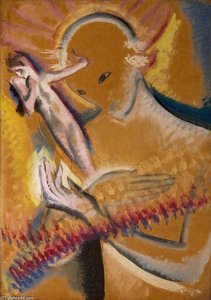
Портрет Чарльз Генри Симс

67 самых известных картин Чарльз Генри Симс: подборка галереи

Обновлено Октябрь 2026 · рейтинг на основе нашего показателя популярности (количество поисковых запросов, посещений и заказов для каждой работы) · 67 работ Чарльз Генри Симс в нашем каталоге

Вкратце

Из всех оригинальных работ, оставшихся после Чарльз Генри Симс, самой известной является The little faun (1905) из коллекции Fitzwilliam Museum. Сразу за ними следуют Bacchanalia (1900) и Sacrifice (1918). В нашем каталоге представлено 67 работ Чарльз Генри Симс; галерея сохранила 67 самых почитаемых в мире произведений, каждое из которых сопровождается датой создания, информацией о музее и своей историей.

1873 – 1928, Истлём Impressionism Больше всего работ: Fitzwilliam Museum

10 лучших картин Чарльз Генри Симс: выбор галереи

Подборка Чарльз Генри Симс продолжается, с 11 по 67

Сюжеты, которые вдохновляли Чарльз Генри Симс

Четыре темы, которые чаще всего встречаются в этих оригиналах, каждая из которых представлена своим лучшим образцом.

Музеи, в которых хранятся оригиналы работ Чарльз Генри Симс

5 музеев, в которых находится большинство картин со страницы.

Музей Город Работы Чарльз Генри Симс Картины из этого списка
Fitzwilliam MuseumFitzwilliam Museum 2 The little faun, Study Of A Dead Rail
Государственный Эрмитаж, Санкт-ПетербургГосударственный Эрмитаж Санкт-Петербург 1 Bacchanalia
Canadian War Museum, ОттаваCanadian War Museum Оттава 1 Sacrifice
Chartwell, WesterhamChartwell Westerham 1 Two Girls Seated - Diana, And Sarah Churchill
Шотландская национальная портретная галерея, ЭдинбургШотландская национальная портретная галерея Эдинбург 1 George V

Чарльз Генри Симс по годам: оригинальные работы, определяющие каждый период

От 1900 до 1918 Чарльз Генри Симс творил на протяжении 19 лет: в этой подборке представлены лучшие оригинальные работы, отобранные по годам за этот долгий творческий путь.

Работы по годам

Выберите год, чтобы увидеть оригиналы.

Вопросы коллекционеров о картинах Чарльз Генри Симс

Какая работа Чарльз Генри Симс наиболее известна?Узнать ответ

The little faun (1905), Fitzwilliam Museum. Далее следуют Bacchanalia (1900) и Sacrifice (1918).

Сколько лет было Чарльз Генри Симс, когда была создана работа The little faun?Узнать ответ

32 лет: The little faun датируется 1905 годом, а Чарльз Генри Симс родился в 1873.

Какие десять самых известных картин написал Чарльз Генри Симс?Узнать ответ

The little faun, Bacchanalia, Sacrifice, Two Girls Seated - Diana, And Sarah Churchill, My Pain Beneath Thy Sheltering Hand, A Spiritual Idea, Guardian Hands, The Fountain, Saints And Sinners и Aspiration. В рейтинге выше указаны год создания и музей для каждой работы.

Сколько картин оставил(а) Чарльз Генри Симс?Узнать ответ

В нашем каталоге представлено 67 работ Чарльз Генри Симс, созданных в период с 1900 по 1918.

В каких музеях представлены шедевры Чарльз Генри Симс?Узнать ответ

В основном в Fitzwilliam Museum, Государственный Эрмитаж (Санкт-Петербург) и Canadian War Museum (Оттава). В таблице выше перечислены все музеи.

Каковы первые и последние известные оригинальные работы Чарльз Генри Симс?Узнать ответ

На этой странице самая ранняя работа датирована Bacchanalia (1900), а самая поздняя — Sacrifice (1918).

Какие сюжеты Чарльз Генри Симс выбирал чаще всего?Узнать ответ

Women (7), Children (5) и Landscape (3) в 67 работах на этой странице.

К какому художественному направлению относится Чарльз Генри Симс?Узнать ответ

Impressionism и Expressionism, судя по оригиналам на этой странице.

Какие работы Чарльз Генри Симс представлены в Fitzwilliam Museum?Узнать ответ

The little faun и Study Of A Dead Rail: в коллекции Fitzwilliam Museum находится 2 работ со страницы.

Чарльз Генри Симс: жизнь и творчество

Charles Henry Sims (1873 – 1928)

Charles Henry Sims, born in Islington, London, in 1873, remains a compelling figure in British art—a painter whose journey traversed the elegance of Edwardian society to the unsettling depths of personal turmoil and ultimately, outsider artistry. His life was marked by both conventional success and profound tragedy, factors that indelibly shaped his artistic vision. Initially destined for a commercial career within his family’s drapery business, Sims defied expectations, pursuing formal training at South Kensington College of Art before honing his skills in Paris at the prestigious Académie Julian. This early exposure to European artistic currents laid the foundation for his initial acclaim as a portraitist and landscape painter, establishing him within the established art world. However, beneath this veneer of conventional achievement lay a sensibility that would increasingly diverge from accepted norms, particularly after experiencing immense personal loss during World War I.

Early Years and Artistic Training

Sims’ formative years were shaped by his upbringing in Islington, where he was born to a costume manufacturer—a family background that instilled in him an appreciation for craftsmanship and meticulous detail. Recognizing his artistic talent early on, he embarked upon a rigorous academic path, enrolling at the Royal College of Art in 1890. Simultaneously, he pursued studies at the Académie Julian in Paris during 1891-2, under Benjamin Constant and Jules Lefebre—influences that would profoundly impact his stylistic development. He also honed his skills at the Royal Academy Schools from 1892 to 1895, where he was awarded the Landseer Scholarship—a prestigious honor recognizing exceptional artistic merit. Initially drawn to the works of Orchardson and Bastien-Lepage, Sims’ artistic explorations soon broadened horizons, embracing the stylistic innovations of Italian quattrocento painting and Puvis de Chavannes.

Edwardian Portraiture and Landscape Painting

From 1894 onwards, Sims achieved considerable success as a portraitist and landscape painter, gaining recognition within London society. His canvases captured the refined sensibilities of the Edwardian era—characterized by delicate brushwork, harmonious palettes, and an idealized depiction of human subjects and natural scenery. He exhibited regularly at the Royal Academy, showcasing his talent and establishing himself as one of the leading artists of his time. Yet, even within these seemingly conventional pieces, subtle psychological depth emerged—a nuanced portrayal of emotion and character that distinguished Sims’ work from many of his contemporaries. His landscapes possessed an ethereal quality, infused with a sense of atmosphere and luminosity that hinted at something beyond mere visual representation.

The Trauma of War and Artistic Transformation

The First World War irrevocably altered the course of Sims’ life—bringing about the devastating loss of his eldest son during the conflict. This profound tragedy triggered a dramatic shift in his artistic sensibilities, propelling him toward increasingly introspective and unconventional themes. Haunted by grief and disillusionment, he abandoned the idealized landscapes of his earlier years for explorations of darker emotions and spiritual anxieties. He began experimenting with bold color palettes and expressive brushstrokes—techniques that reflected his inner turmoil and challenged the prevailing aesthetic conventions of the period. This transformative experience fueled a desire to grapple with existential questions—to confront mortality and explore the mysteries of faith—resulting in paintings imbued with symbolic imagery and unsettling psychological resonance.

The ‘Spiritual Ideas’ Series and Legacy

Sims' final artistic endeavors culminated in the creation of the “Spiritual Ideas” series—a collection of canvases that represent his most daring and controversial explorations of religious symbolism and metaphysical concepts. These works, characterized by stark contrasts between light and dark, nude figures against abstract backgrounds, provoked considerable debate among critics and fellow artists—many dismissing them as incomprehensible and aesthetically jarring. Despite the widespread disapproval of his time, Sims’ artistic legacy has endured—recognized today as a precursor to the Outsider Art movement. His willingness to reject conventional artistic norms, his uncompromising pursuit of personal vision, and his distinctive visual language continue to inspire artists and viewers alike. Institutions like the Tate Gallery, the British Museum, and English Heritage hold examples of his work, ensuring his story—and his art—remains accessible to future generations. Iris, Sunshine And Wind, and *The Bathers* are just a few canvases that exemplify Sims’ evolving style and captivating use of light and color. His contribution to the Palace of Westminster’s “Building of Britain” series—though initially criticized—now stands as a testament to his bold artistic vision. Charles Henry Sims' life serves as a poignant reminder of the transformative power of experience—and the enduring beauty found in confronting darkness with unwavering conviction.