




Un Sanctuar al Viziunii: Sufletul Fundației Barnes
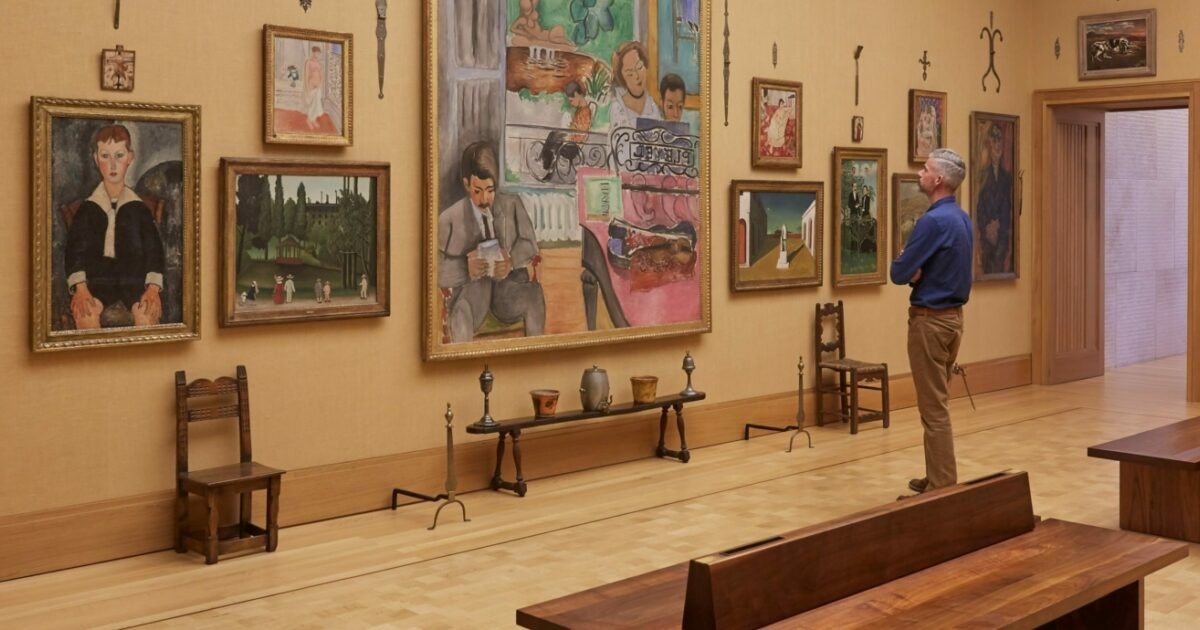
A păși în cadrul Fundației Barnes înseamnă a intra într-un spațiu în care granițele dintre artă, viață și educație se dizolvă într-o experiență singulară, transformatoare. Situată în inima Filadelfiei, din Statele Unite ale Americii , această instituție extraordinară stă ca o mărturie profundă a convingerii radicale a fondatorilor săi, Albert C. și Laura Barnes. Spre deosebire de muzeele tradiționale, care servesc adesea drept simple depozite pentru relicve tăcute, Barnes a fost conceput ca un laborator viu pentru ochi. Întipărit în principiile filosofice ale lui John Dewey, Fundația promovează învățarea experiențială, invitând fiecare vizitator să depășească observația pasivă și să se engage într-un dialog profund, ritmic, cu pânza pictată. Este un loc în care actul privirii devine o călătorie intelectuală, cultivând o intimitate unică între privitor și capodoperă.
Colecția în sine nu este nimic mai puțin decât o odisee uluitoare prin evoluția viziunii moderne. Pe măsură ce umblăm prin galerii, ochiul întâlnește un ansamblu deliberat și magistral de lucrări impresioniste, postimpresioniste și din perioada modernismului timpuriu, care par să pulseze cu o energie comună. Fundația deține una dintre cele mai semnificative concentrații de artă din lume realizată de maeștri precum Renoir, Cézanne, Matisse și Picasso . Nu poți decât să fii emoționat de prezența monumentală a operei lui Paul Cézanne, Mont Sainte-Victoire , unde peisajul este distilat în primitive geometrice care vibrează cu o profunzime atmosferică. Aproape, texturile delicate și luminoase ale portretelor lui Pierre-Auguste Renoir surprind un sentiment trecător de grație pariziană, în timp ce vitalitatea ritmică și colorată a compozițiilor lui Matisse provoacă și încântă simțurile. Această aranjare curată — o marcă distinctivă a metodei unice a lui Barnes — îi încurajează atât pe colecționari, cât și pe entuziaști să perceapă firele ascunse de culoare, linie și formă care conectează epoci și stiluri disparate.
Armonie Arhitecturală și Contrapunct Natural
Arhitectura clădirii Barnes, proiectată de renumitul Paul Philippe Cret , servește drept un protagonist tăcut, dar puternic, în această narațiune artistică. Evitând măreția intimidantă întâlnită adesea în instituțiile neoclasice, designul prioritizează o atmosferă de armonie plină de lumină și flux spațial. Clădirea este o extensie arhitecturală a artei pe care o găzduiește; integrarea sculpturilor în basrelief cubiste realizate de Jacques Lipchitz adaugă un strat de textură avant-gardistă care oglindește complexitățile geometrice găsite în picturi. Acest simț al ritmului structural este completat și mai mult de prezența Arboretumului adiacent.
Înființat de Laura Leggett Barnes, acest sanctuar verde oferă un contrapunct horticol vital intensității galeriilor, amintindu-ne că percepția artei este profund împletită cu legătura noastră cu lumea naturală. Pentru designerul de interior sau pentru iubitorul devotat de artă, Fundația Barnes oferă mai mult decât o simplă vizită într-o galerie; ea oferă o lecție magistrală de coeziune estetică. Fie că este vorba despre expoziții recente care explorează nuanțele percepției culorii sau despre expunerea permanentă a unor lucrări care redefinesc relațiile spațiale, Fundația rămâne un far al curiozității intelectuale. Este o instituție în care istoria nu este doar studiată, ci simțită, făcând din aceasta o destinație de o importanță fără egal pentru oricine dorește să înțeleagă puterea transformatoare a artelor vizuale.


