The Ackland Art Museum at The University of North Carolina at Chapel Hill: A Legacy of Visionary Collecting
Nestled on the campus of UNC-Chapel Hill, overlooking Franklin Street and bathed in Southern sunlight, lies the Ackland Art Museum – a testament to serendipitous philanthropy and an enduring commitment to fostering artistic appreciation. Founded in 1958 through the extraordinary bequest of William Hayes Ackland, this museum isn’t merely a repository of artworks; it's a vibrant crossroads where scholarly research intersects with public engagement, creating a truly distinctive cultural experience.
### A Singular Beginning: The Ackland Legacy
The story begins with Ackland himself – an amateur art collector driven by a profound belief in the transformative power of visual culture. Initially intending to donate his considerable fortune to Duke University, Ackland’s foresight steered him toward UNC after a protracted legal battle ensued regarding the allocation of his estate. This complex negotiation ultimately resulted in UNC receiving the lion's share of his bequest—a remarkable gesture that cemented its place as one of the state’s premier art institutions. Even more poignant was Ackland’s final wish: to be interred within the museum itself, symbolizing a lifelong devotion to the pursuit of beauty and knowledge. This singular act underscored the museum’s core mission – to honor Ackland's unwavering passion for artistic contemplation and inspire visitors to appreciate the profound impact art has on human experience.
### Treasures Across Cultures: Exploring the Collection Highlights
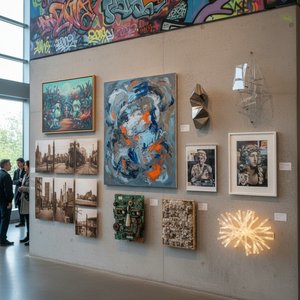
The Ackland boasts an astonishing collection exceeding 17,000 pieces spanning diverse artistic traditions from across the globe. Its strengths are particularly pronounced in Asian Art, where visitors can marvel at breathtaking depictions of Buddhist iconography and intricate porcelain creations—a reflection of UNC’s longstanding relationship with East Asia. European masterpieces abound, showcasing works by luminaries like Eugène Delacroix, Albrecht Dürer, and Jean-Honoré Fragonard, offering glimpses into pivotal moments in Western artistic history. Contemporary art pushes boundaries and challenges perspectives, while a dedicated section explores prints, photographs, and drawings—a testament to the enduring fascination with visual storytelling. Notably, the Ackland houses significant holdings by Pablo Picasso, Salvador Dali, and Käthe Kollwitz, artists who redefined artistic expression during their respective eras. Each piece tells a story – from the serene landscapes of Japanese watercolor paintings to the dramatic canvases of Romantic painters like Delacroix, capturing the spirit of an era and inviting contemplation on universal themes.
### Architectural Harmony: The Building as Canvas for Experience
Located at 101 S. Columbia Street, the museum’s building embodies a thoughtful design philosophy that prioritizes accessibility and contemplation. Constructed in 1958 with generous funding from UNC alumni, Dana Cowen and Sheldon Peck, it was conceived as an inviting space where visitors can immerse themselves in art without distraction. The architectural aesthetic—characterized by soaring ceilings and expansive windows—creates an atmosphere conducive to artistic reflection and scholarly inquiry. Its location at the heart of Chapel Hill campus ensures easy access for students and residents alike, fostering a dynamic connection between academic pursuits and aesthetic appreciation. The building’s airy interior spaces are designed to maximize natural light, allowing visitors to appreciate the subtleties of color and texture within each artwork—a deliberate choice that reinforces the museum's commitment to fostering an environment where art inspires wonder and stimulates intellectual curiosity.
### Beyond Walls: Engagement and Innovation
What truly distinguishes the Ackland Art Museum is its unwavering dedication to fostering intellectual curiosity and enriching the lives of its community. Free admission underscores its commitment to inclusivity, while ongoing exhibitions and educational programs—ranging from artist talks to family workshops—provide opportunities for visitors of all ages to engage with art in meaningful ways. Furthermore, the museum’s recent restitution initiative – returning a painting to its rightful heirs – exemplifies ethical collecting practices and aligns with UNC's values of social responsibility. The Ackland actively collaborates with local schools and organizations to promote artistic literacy and inspire creativity among young people—demonstrating that museums are not simply places for passive observation but active contributors to cultural dialogue and personal growth.
### A Continuing Dialogue: The Ackland Art Museum Today
Today, the Ackland continues to evolve as a beacon of artistic excellence and scholarly exploration. Its curators actively pursue new acquisitions and innovative programming initiatives, ensuring that its collection remains relevant to contemporary audiences while honoring its rich heritage. Visiting the Ackland Art Museum isn’t simply observing art; it's embarking on a journey of discovery—a celebration of creativity, history, and the transformative power of visual culture. It stands as a testament to the enduring belief that art has the capacity to illuminate our understanding of ourselves and the world around us.