
Oază de Credință și Artă: Descoperind Pinacoteca Vaticană
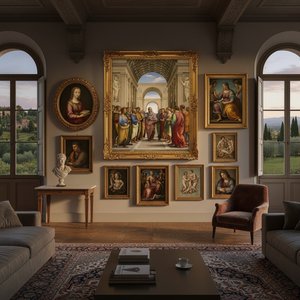
Ascunsă în vastitatea și măreția uluitoare a Muzeelor Vaticane – un spațiu adesea umbrit de impunătoarea Sistină Capelă – se află o galerie de frumusețe profundă și contemplație liniștită: Pinacoteca Vaticană. Mai mult decât un simplu adjunct al acestui complex celebru, ea reprezintă o călătorie deliberată prin secole de realizări artistice, concentrată în principal pe strălucirea înfloritoare a Renașterii italiene și dezvoltările sale ulterioare. Inaugurată în 1932, existența Pinacotecii vorbește despre o schimbare fundamentală în modul în care era înțeleasă arta – nu doar ca un ornament decorativ sau o expunere regală, ci ca un vehicul puternic pentru a transmite devoțiunea, a nara evenimente istorice cu detalii uluitoare și, în cele din urmă, a surprinde esența experienței umane. Pășind prin ușile sale este ca intrarea într-o lume liniștită unde timpul pare să încetinească subtil, invitând întâlniri intime cu capodopere create de unii dintre cei mai venerați artiști din istorie – maeștri care s-au luptat cu credința, puterea și miezul a ceea ce înseamnă să fii uman.
Clădirea însăși, concepută cu o eleganță sobrie de Luca Beltrami, este o mărturie a integrării atent planificate; nu impune asupra palatelor papale din jur; dimpotrivă, se îmbină perfect în țesătura arhitecturală a acestora, creând un mediu aerisit și luminos, perfect potrivit pentru prezentarea acestor opere sacre. Fiecare detaliu – de la plafoanele înalte care atrag privirea în sus până la pereții meticulos restaurați – contribuie la un sentiment palpabil de reverență și liniște, favorizând contemplarea frumuseții și semnificației conținute în fiecare piesă. Povestea Pinacotecii este inseparabilă de spiritul patronajului papal din secolul al XX-lea. Fondată de Papa Pius XI, ea întruchipează un angajament față de conservarea moștenirii artistice și promovarea îmbogățirii culturale – o dorință de a proteja și celebra moștenirea celor care au modelat arta occidentală pentru generații.
Viziunea lui Giotto: O Zori a Artei Narative
În inima colecției Pinacotecii se află *Tripticul Stefaneschi* al lui Giotto di Bondone (cca. 1313-1320), o lucrare care marchează un moment crucial în istoria artei. Aceasta nu este doar o pictură; este o narațiune vizuală, demonstrând o înțelegere emergentă a perspectivei și a povestirii care ar modela fundamental epoca următoare. Figurile lui Giotto posedă o greutate și o rezonanță emoțională nouă – nu mai sunt icoane stilizate, ci indivizi care se confruntă cu experiențe umane profunde. Observați utilizarea magistrală a culorii: o alegere deliberată de a atrage privirea privitorului spre chipul radiant al lui Hristos, oglindind aspirația spirituală inerentă scenei. Fețele Sfântului Petru și ale Sfântului Paul, redate cu o vulnerabilitate și o tristețe uluitoare, reflectă esența condiției umane alături de har divin. Compoziția tripticului – un aranjament echilibrat de figuri și draperii – subliniază în continuare măiestria artistică a lui Giotto, consolidându-i poziția de pionier care a pus bazele artei occidentale. Observați cum abandonează figurile aplatizate și simbolice ale artei bizantine în favoarea formelor tridimensionale cu fețe expresive și gesturi. Utilizarea culorii este la fel de semnificativă – nuanțe vibrante sunt folosite pentru a atrage atenția asupra elementelor cheie din scenă, ghidând privirea prin compoziția complexă.
Strălucirea Renașterii: Capodoperele lui Rafael
Depășind Giotto, galeria se desfășoară într-o succesiune uluitoare de capodopere renascentiste, culminând cu explorările profunde ale credinței și frumuseții întruchipate de Rafael Sanzio. Rafael domină această secțiune a narațiunii Pinacotecii. Un maestru al compoziției, culorii și formei idealizate, lucrările sale precum *Madonna din Foligno* (cca. 1504-1506) și *Transfigurarea* (cca. 1513-1520) exemplifică o capacitate de a infuza scene religioase cu un sentiment profund atât de tandrețe umane, cât și de har divin. Rafael surprinde esența credinței într-un mod care este simultan frumos și profund emoționant, ridicând spiritualul prin pură măiestrie artistică. Atenția sa minuțioasă la detalii – de la plierea delicată a draperiilor până la tonurile luminoase ale pielii – creează o iluzie de realitate palpabilă, în ciuda naturii sale idealizate. Observați cum folosește cu măiestrie lumina și umbra pentru a sculpta forma și a transmite emoția; această tehnică este evidentă în special în *Transfigurare*, unde halo-ul radiant al lui Hristos îi luminează fața și corpul, simbolizând iluminarea divină și transcenderea spirituală. Lucrarea lui Rafael demonstrează o capacitate remarcabilă de a combina idealurile clasice cu iconografia creștină, creând imagini care sunt atât atemporale, cât și profund rezonante.
Dincolo de Maeștri: Un Dialog Transcendent
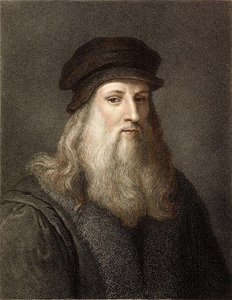
Alături de operele devoționale ale lui Rafael, Pinacoteca găzduiește *Sfântul Ieremia în sălbăticie* al lui Leonardo da Vinci (cca. 1473-1475), chiar dacă este neterminat, oferă o privire tentantă asupra urmăririi neobosită a artistului pentru acuratețe anatomică, iluminare dramatică și profunzime psihologică – calități care ar deveni semnul distinctiv al moștenirii sale durabile. Frumusețea bântuită și introspecția profundă a picturii continuă să captiveze privitorii secole mai târziu, sugerând geniul conținut în forma sa incompletă. Utilizarea revoluționară a lui Da Vinci a sfumato – o tehnică care implică gradații subtile de ton – creează o atmosferă eterică care îl învăluie pe Sfântul Ieremia, transmițând un sentiment de singurătate contemplativă și dorință spirituală. În deceniile mai recente, Pinacoteca și-a extins sfera pentru a include lucrări ale maeștrilor moderni care s-au angajat cu credința și spiritualitatea în moduri noi, adesea provocatoare. Această colecție – prezentând contribuții de la artiști atât de diverși precum Carlo Carrà, Giorgio de Chirico, Vincent van Gogh, Paul Gauguin, Marc Chagall, Paul Klee, Salvador Dalí și Pablo Picasso – reprezintă un contrast surprinzător, dar convingător față de piesele anterioare, stimulând reflecția asupra puterii durabile a temelor religioase și a limbajului artistic în evoluție. Este o mărturie a angajamentului Pinacotecii de a prezenta amploarea și profunzimea expresiei artistice de-a lungul secolelor.