



Un Sanctuar Regal de Lumină și Umbră
Situată în mijlocul peisajelor verzi și sinuoase ale Parcului Sanssouci din Potsdam, Galeria de Tablouri se ridică drept o mărturie profundă a spiritului iluminat al lui Frederick al II-lea al Prusiei. Mai mult decât un simplu depozit de pânză și pigment, această istorică Bildergalerie reprezintă o călătorie imersivă în inima secolului al XVIII-lea, unde granițele dintre arhitectură, ambiția regală și măiestria artistică se dizolvă. Fiind cel mai vechi muzeu din Europa comisionat special de un suveran, acesta oferă o privire rară și intimă asupra ochiului discernător al lui Frederick cel Mare. A păși în acest spațiu înseamnă a intra într-o lume meticulos curată, concepută nu doar pentru observație, ci pentru o întâlnire emoțională cu sublimul.
Colecția însăși respiră prin vitalitatea dramatică a era Barocului și a Renașterii. Sufletul galeriei este, poate, cel mai vibrant exprimat prin opera lui Caravaggio, Incredulitatea Sfântului Toma , o lucrare care domină încăperea prin utilizarea sa magistrală a chiascurii. În acest joc uluitor de umbre adânci și lumină tăioasă, privitorul este atras în realitatea brută și tactilă a îndoielii și a revelației. Această tensiune este regăsită și în lucrările atelierului lui Rubens, unde Cei Patru Evangheliști
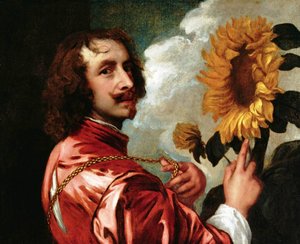
și Sfântul Ieronim pulsează cu o energie dinamică și o paletă de nuanțe bogate și luminoase care par să animeze însăși pereții. Alături de acestea, opera lui Anthony van Dyck, Pentecoste , oferă un contrapunct sofisticat, prezentând o afișare opulentă a grației compoziționale și a unei picturi fluide care celebrează divinul prin prisma eleganței aristocratice.
Armonie Arhitecturală și Moștenirea Rezilienței
Arhitectura galeriei este un protagonist inseparabil în această narațiune artistică. Concepută inițial de Johann Gottfried Büring ca o transformare a unei foste seră, structura a fost proiectată să armonizeze perfect cu situl înconjurător, aflat în Patrimoniul Mondial UNESCO. Fațada sa galbenă, spectaculoasă, servește drept un far al autorității regale, în timp ce interiorul invită la o senzație de ascensiune cerească prin cupola centrală și ornamentele aurite. Podeaua, un model ritmic de marmură italiană albă și galbenă, ghidează vizitatorul printr-un spațiu în care fiecare element—de la sculpturile alegorice din marmură care flanchează partea spre grădină, până la tavanele curbate și ornate—este orchestrat pentru a îmbogăți experiența vizuală. Este un triumf al designului Baroc, unde mediul fizic acționează ca o ramă pentru profunzimea spirituală și intelectuală a artei pe care o adăpostește.
Totuși, istoria Galerieii de Tablouri este și una a unei rezistențe profunde. Colecția a îndurat furtunile conflictelor, cel mai notabil în timpul devastării din Al Doilea Război Mondial, când comorile sale au fost evacuate pentru siguranța Palatului Rheinsberg. Întoarcerea ulterioară a doar unei fracțiuni din aceste lucrări în anul 1946 servește ca o amintire poignantă a fragilității patrimoniului nostru cultural comun. Prin restaurări dedicate și reintegrarea meticuloasă a cap-capoperelor din Berlin, galeria s-a născut din nou, recuperându-și statutul de far al culturii prusace. Pentru iubitorul modern de artă, colecționar sau designer, Galeria de Tablouri Sanssouci oferă ceva cu adevărat unic: oportunitatea de a locui într-o istorie vie, unde măreția trecutului este păstrată cu o reverență care continuă să inspire uimire și contemplație estetică.


