



A Regal Ascent: Unveiling the Palace of Capodimonte
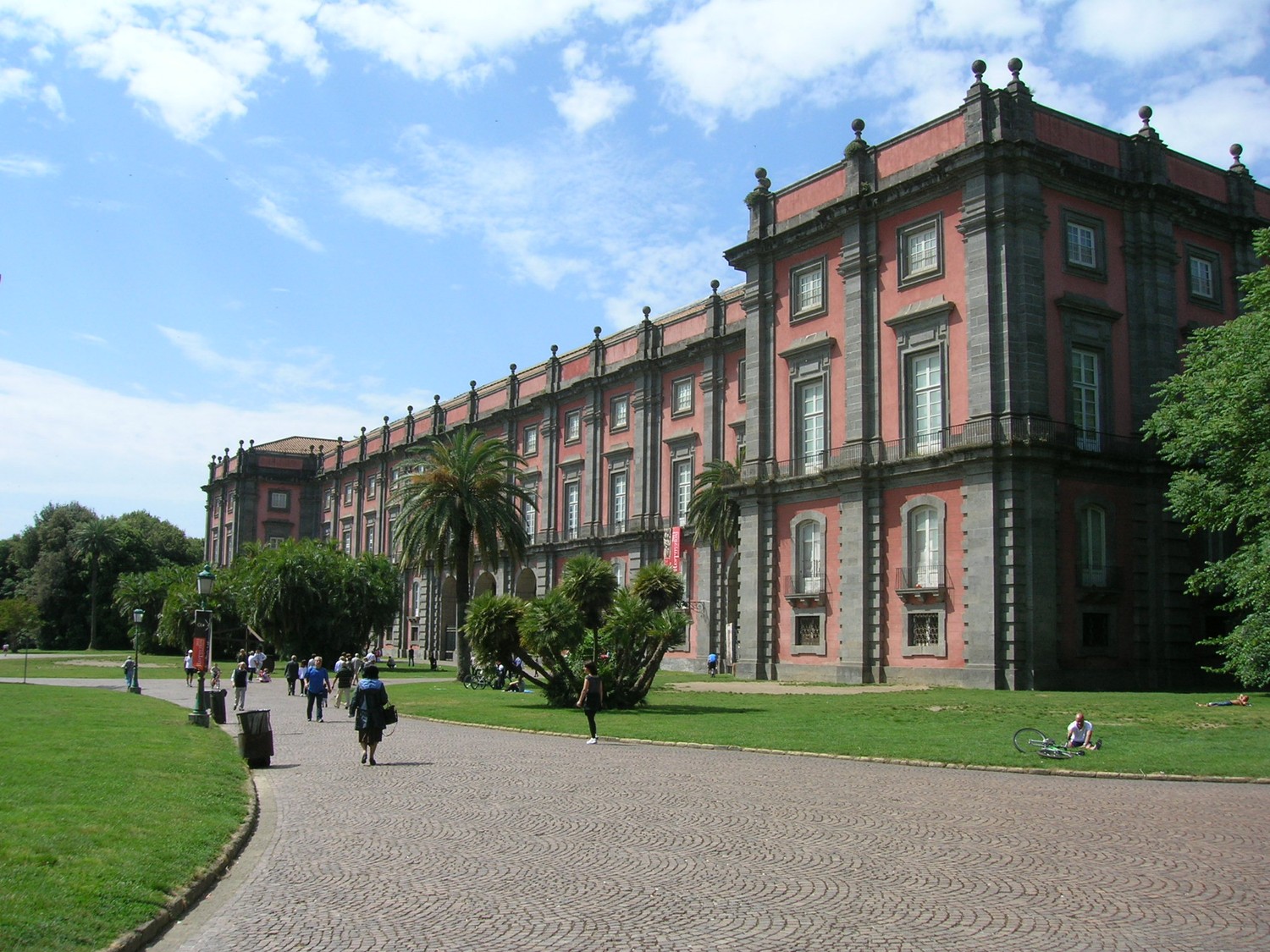
Perched dramatically atop Naples’ volcanic Capodimonte hill, the Royal Palace of Capodimonte isn't merely a museum; it’s a living chronicle of Italy’s artistic and royal evolution. Initially conceived as a modest hunting lodge by King Charles VII in 1738, this opulent residence blossomed into one of Europe’s most significant repositories of art and architectural grandeur – a testament to the enduring power of patronage and the vibrant spirit of Neapolitan creativity. Stepping through its grand doors is akin to traversing centuries, immersing oneself within the evolving tastes and ambitions of Neapolitan royalty, reflecting both the city's artistic heritage and its complex political narrative. The palace stands as a magnificent fusion of Baroque exuberance and Neoclassical restraint, a tangible embodiment of Naples’s layered history and artistic prowess.The palace’s extraordinary collection stems from two interwoven legacies: the illustrious Farnese Collection and the distinctive artistic voice cultivated within Naples itself. The Farnese legacy, bequeathed by Elisabetta Farnese, Charles VII’s mother, brought with it a breathtaking array of classical sculptures – Roman relics that formed the foundation for the palace’s burgeoning art holdings. These ancient stones, imbued with the echoes of empires past, provided a grounding in classical ideals, shaping the palace's aesthetic direction. Imagine the impact of these weathered marble figures, silent witnesses to centuries of power and artistry, as they anchor the palace’s grand halls. Simultaneously, Naples nurtured its own school of painting, producing artists who developed a uniquely dramatic and emotionally charged style. Figures like Caravaggio, whose revolutionary use of light and shadow profoundly influenced generations of painters, Titian, renowned for his opulent color palettes and masterful compositions, and Luca Giordano, the leading figure of the Neapolitan Baroque, all contributed to this distinctive artistic identity. The palace’s walls resonate with their genius, offering a tangible connection to Italy's most celebrated masters – a vibrant tapestry woven from diverse influences.
A Symphony of Styles: Architecture and Decorative Arts
Architecturally, Capodimonte is a captivating story in itself – a harmonious blend of Neoclassical elegance interwoven with Baroque grandeur. Designed by Giovanni Antonio Medrano and Antonio Canevari, the palace’s façade reflects this duality, projecting an image of power and sophistication while retaining echoes of the dramatic flair characteristic of the Baroque period. The exterior presents a formidable yet refined presence, utilizing Doric columns and intricate detailing that speak to both strength and grace. Beyond the magnificent salons lies a world of exquisite detail: royal apartments adorned with opulent stucco work depicting scenes from mythology and history, lavishly decorated with gilded mirrors, intricate tapestries, and richly colored marble floors. The sheer scale of these embellishments speaks to the immense wealth and ambition of the Bourbon court – a deliberate statement of their authority and refined taste. Notice the subtle shifts in style; the grand staircase embodies Neoclassical symmetry while the frescoes within the state rooms burst with the vibrant energy of Baroque decoration, creating a dynamic interplay between tradition and innovation.Particular attention is given to the palace’s porcelain collections – a dazzling display of European craftsmanship spanning from delicate Meissen figurines, showcasing the influence of German artistry, to elaborate Sèvres dinner services, reflecting the refined taste and international connections of the Bourbon court. These collections offer a glimpse into the meticulous attention to detail and the pursuit of luxury that defined aristocratic life in 18th-century Italy. The palace’s gardens, too, are a masterpiece of landscape design, meticulously crafted to complement the architectural splendor within – a verdant expanse designed for both royal leisure and grand public spectacles. Wandering through these carefully manicured paths, one can almost hear the echoes of courtly processions and masked balls, imagining the lavish entertainments that once unfolded beneath the watchful gaze of the palace’s towering façade.
A Gallery of Giants: Collection Highlights
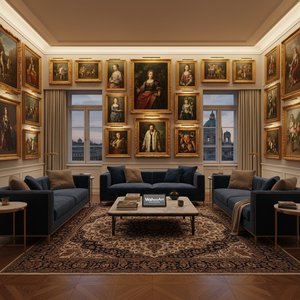
Within Capodimonte's walls reside masterpieces that demand reverence. The collection highlights include Caravaggio’s intensely dramatic “Madonna and Child with St. Anthony and St. Roch,” a work brimming with emotional intensity and masterful use of chiaroscuro – the stark contrast between light and shadow that defines his style. Observe how he uses darkness to heighten the drama, drawing the viewer's eye to the central figures and imbuing the scene with an almost palpable sense of spirituality. Titian’s “Glad to Be Back,” a vibrant depiction of the Venetian Doge, showcasing his signature opulent color palettes and masterful compositions, offers a glimpse into the grandeur of the Venetian Republic. Luca Giordano’s breathtaking frescoes adorning the Royal Apartments – swirling narratives of mythological grandeur that exemplify the exuberance of the Neapolitan Baroque – are particularly captivating, transporting viewers to fantastical realms filled with gods, heroes, and mythical creatures. Artemisia Gentileschi's powerful depictions—often challenging conventional narratives of female roles—stand as a courageous assertion of female strength and resilience within a historically restrictive art world, offering a vital perspective on the era. Finally, don’t miss Francesco Netti’s captivating oil paintings of gladiators & ancient scenes – a testament to the enduring fascination with Roman history within Neapolitan art.The palace also houses an impressive collection of paintings by Marco de Gregorio, a Neapolitan painter known for his historical and mythological works. His style blends Italian pride with avant-garde influences, creating captivating scenes that reflect the spirit of Naples. Each brushstroke reveals a deep understanding of both classical tradition and contemporary sensibilities.