Exploring Malacañang Presidential Museum and Library
Nestled within the sprawling walls of Malacañang Palace—the official residence and workplace of the President of the Philippines—lies a treasure trove of Philippine history, artistry, and political legacy: The Malacañang Presidential Museum and Library. More than just a repository of artifacts, it’s an immersive experience transporting visitors back to pivotal moments in Filipino governance and showcasing the nation's artistic heritage. Located in the heart of Manila’s San Miguel district, this museum offers unparalleled insight into the evolution of Philippine identity and leadership—a destination that resonates with both scholarly curiosity and aesthetic appreciation.
### Collection Highlights: A Tapestry of Time
The museum’s collection isn’t merely static; it breathes with narratives spanning centuries. Dominating the gallery space is Kalayaan Hall—a magnificent 1920s edifice that now serves as a testament to the aspirations of Filipino nationalism during the American colonial era. Its walls are adorned with murals depicting scenes from Philippine history, capturing the spirit of independence and resilience—images that speak volumes about the enduring spirit of Filipino patriotism. Beyond these grand canvases lie meticulously preserved state rooms furnished with exquisite antiques and artworks reflecting the tastes and sensibilities of past presidents—a visual chronicle of their reigns. Visitors can delve into official documents detailing significant policy decisions and diplomatic engagements, offering a tangible connection to the corridors of power. Furthermore, the museum houses an impressive collection of Philippine art spanning various periods, from Baroque sculptures embodying religious devotion to Impressionist paintings capturing fleeting moments of beauty—demonstrating the breadth of artistic expression within the nation’s cultural landscape. Notably, pieces by Juan Luna and Guillermo Tolentino stand as emblems of Filipino Romanticism and Modern Art respectively.
### Architectural Grandeur: Bahay na Bato Meets Neoclassical Elegance
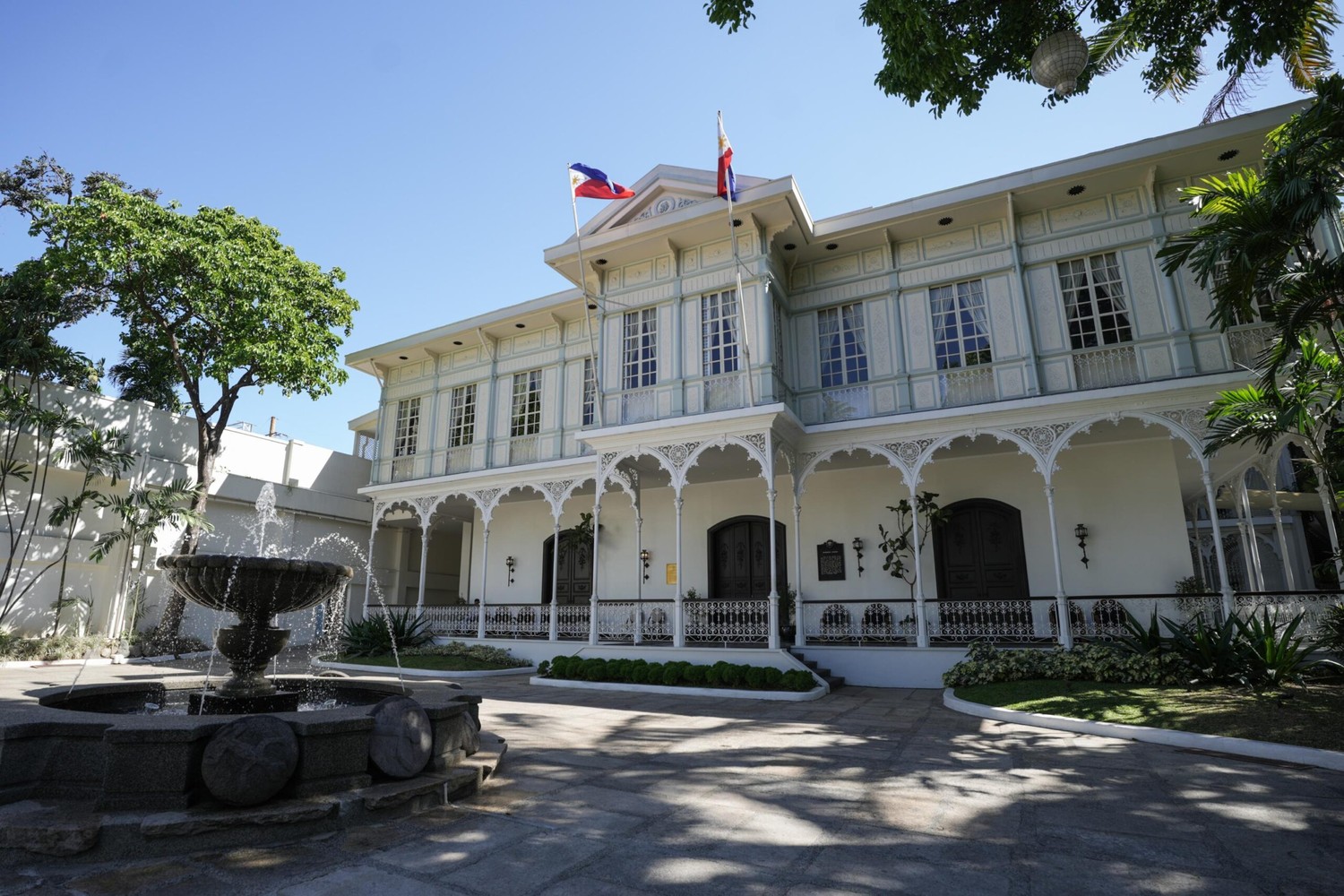
The museum's architectural splendor is itself a captivating story. Originally conceived as a private summerhouse for Spanish aristocrat Don Luis José de la Rocha Camiña in 1750, Malacañang Palace embodies the quintessential bahay na bato style—a vernacular architecture blending indigenous materials like bamboo and nipa with European influences. This harmonious fusion reflects the Philippines’s colonial past while simultaneously asserting its own distinctive character. Subsequent expansions during the American colonial period incorporated neoclassical elements, reflecting aspirations for modernization and grandeur—resulting in a complex architectural ensemble that speaks to shifting cultural paradigms. The palace complex’s sprawling grounds are punctuated by numerous mansions designed in similar styles, creating a harmonious blend of cultural traditions. Mabini Hall—the former presidential office—houses a remarkable collection of memorabilia related to Emilio Aguinaldo, the first president of the Philippines—a poignant reminder of the nation’s struggle for independence and its enduring commitment to democratic ideals.
### Historical Significance: Witnessing Pivotal Moments
More than just displaying objects, Malacañang Museum illuminates key chapters in Philippine history. Exhibitions explore the presidencies of Ferdinand Marcos Sr., Sergio Osmeña Sr., Manuel Roxas Jr., Elpidio Quirino, Ramon Magsaysay and Gloria Macapagal Arroyo—each presidency marked by distinctive challenges and triumphs—and meticulously reconstructed historical events utilizing archival photographs, maps, and documents to immerse visitors in the atmosphere of bygone times. Special attention is paid to the role of Filipino artists and intellectuals during each period—their contributions enriching the nation’s cultural heritage and informing its political discourse. The curators strive to convey not only factual information but also the emotional resonance of these historical moments—connecting visitors to the broader narrative of Philippine identity.
### What Sets Malacañang Apart: A Living Legacy
Unlike conventional museums confined to static displays, Malacañang Presidential Museum and Library maintains a remarkable distinction: It remains an active presidential workplace—a unique opportunity to witness the intersection of past and present within its hallowed halls. This ongoing engagement underscores the museum’s commitment to preserving Filipino cultural traditions beyond mere preservation—actively promoting educational programs aimed at fostering appreciation for Philippine history and art among students and scholars alike. Furthermore, Malacañang Palace's role as a symbol of national identity—a site of both celebration and protest—adds another layer of significance to the museum experience—serving as a constant reminder of the nation’s resilience in confronting adversity and its unwavering pursuit of freedom and prosperity.