A Victorian Enigma: Unveiling Leighton House Museum
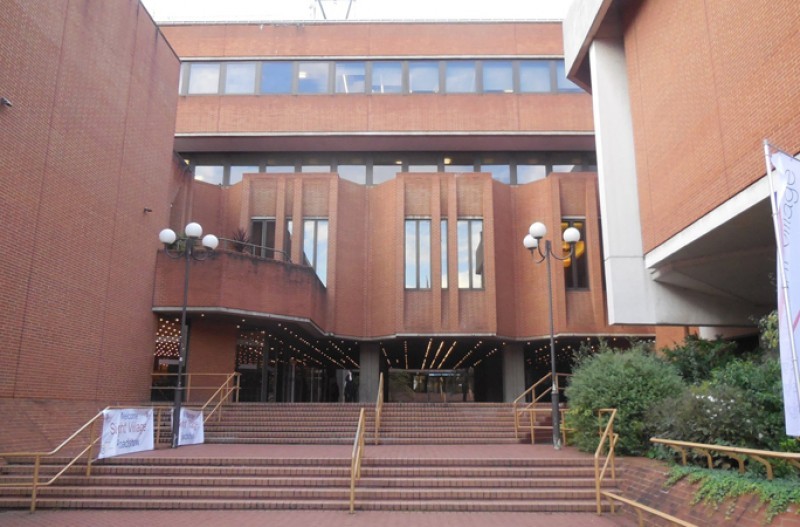
Leighton House Museum stands as a singular jewel within London’s vibrant cultural landscape – not merely a repository of art, but a tangible embodiment of a creative spirit and an unexpected convergence of worlds. Originally the private home and studio of Frederic Leighton, one of Pre-Raphaelite England's most celebrated artists, this sprawling mansion offers a profoundly intimate journey into Victorian aesthetics, Islamic artistry, and even a fascinating glimpse into the nascent field of space exploration. Its story is as captivating as its visual treasures, evolving from a personal sanctuary to a public testament to artistic vision and a surprisingly layered historical artifact. The building itself, designed in an opulent Italian Renaissance palazzo style, immediately commands attention – a grand façade hinting at the extraordinary world within. Constructed between 1868 and 1879, it’s a masterful example of Victorian architectural ambition, showcasing intricate detailing, lavish ornamentation, and a deliberate pursuit of beauty that reflects Leighton's own discerning eye.
-
Victorian Art:
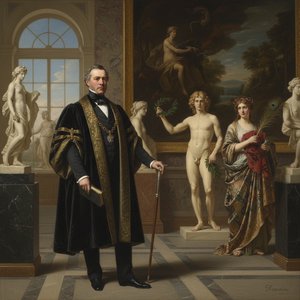
Leighton’s legacy is undeniably central to the museum’s appeal. His paintings, particularly his historical romances – works like “The Bride’s Progress” and “A King's Ransom” – are displayed with reverence, offering a window into the romanticism and idealized beauty that defined the Pre-Raphaelite movement. However, the collection extends beyond Leighton himself, encompassing works by other prominent artists of the era, providing context to his artistic milieu.
-
Islamic Influences:
Perhaps the most unexpected element of Leighton’s vision is the profound influence of Islamic art and architecture on the design of the Arab Hall. This breathtaking space, a testament to Leighton's travels and scholarly pursuits, is a riot of color, pattern, and intricate detail. The hall features an astonishing collection of 19th-century Islamic tiles, mosaics, and woodwork – a remarkable feat of artistic appropriation and a reflection of Leighton’s fascination with the exotic and the unfamiliar.
-
The Arab Hall:
This is undoubtedly the museum's star attraction. The sheer scale and richness of the Arab Hall are overwhelming; it’s an immersive experience that transports visitors to another world. The meticulous craftsmanship, vibrant hues, and geometric patterns create a visual feast, showcasing the beauty and sophistication of Islamic design.
-
Apollo 10 Command Capsule:
A truly remarkable addition, the Apollo 10 command capsule – donated by NASA in 1973 – stands as an incongruous yet compelling element within the museum’s collection. This piece of space exploration history offers a poignant juxtaposition with the Victorian aesthetic, prompting reflection on shifting cultural priorities and the evolving human fascination with the unknown.
A Building Beyond Decoration: Architectural Splendor and Hidden Spaces
Leighton House is more than just a museum; it’s a meticulously designed environment. The building's layout reflects Leighton’s desire to create a space that nurtured his creativity and served as a personal retreat. The grand entrance hall, with its soaring ceilings and intricate plasterwork, immediately establishes a sense of grandeur. Beyond lies the Arab Hall, a testament to Leighton’s passion for Islamic art, while further exploration reveals a series of smaller rooms – a studio filled with sketches and paintings, a library stocked with books on art history and travel, and even a private sitting room designed as a miniature Venetian palazzo. The building's design incorporates numerous hidden spaces and secret nooks, adding to its sense of mystery and intrigue. The conservatory, for example, is a stunning example of Victorian horticulture, showcasing exotic plants from Leighton’s travels.
From Private Residence to Public Treasure: A Shifting Narrative
Originally conceived as a private residence and studio, Leighton House underwent a dramatic transformation following his death in 1896. The Royal Borough of Kensington and Chelsea acquired the property in 1906, establishing it as a museum dedicated to preserving Leighton’s legacy and showcasing his artistic vision. The building's history is intertwined with that of the borough itself, reflecting the evolving social and cultural landscape of London. The transformation from a private dwelling to a public institution involved careful restoration efforts, aiming to preserve the original character of the house while making it accessible to visitors. The story of Leighton House is therefore not just about one artist’s life but also about the changing role of art in society and the preservation of cultural heritage.
An Eclectic Collection and an Intimate Experience
What truly distinguishes Leighton House Museum is its unique combination of artistic styles and historical periods. The juxtaposition of Victorian art, Islamic design, and a space capsule creates a compelling and thought-provoking experience for visitors. Unlike larger, more sprawling museums, Leighton House offers a remarkably intimate setting – a place where you can connect with the art on a deeper level, allowing yourself to be transported by the beauty and detail of the building itself. The museum’s curators have skillfully curated an exhibition that highlights not only Leighton's work but also the broader context of Victorian culture and artistic innovation.
Planning Your Visit: A Journey Through Time and Art
Leighton House Museum offers a truly unforgettable experience for art lovers, history enthusiasts, and anyone seeking a glimpse into Victorian London. The museum is located in Kensington, easily accessible by public transport. Be sure to allow ample time to explore the building’s many rooms and hidden spaces – from the opulent Arab Hall to the intimate studio where Leighton created his masterpieces. The museum's website provides valuable information on opening hours, exhibitions, and special events. Don’t miss the opportunity to step back in time and discover the secrets of this remarkable Victorian enigma.