Cuprins
Detalii utile
- Works on APS: 30
- Featured artists:
- Henrik Immanuel Wigström
- Laurits Tuxen
- Johan Victor Aarne
- Sergei Fedorovich Verkhovtsev
- Gustav Mahler (Text: Friedrich Rückert)
- Alternate names:
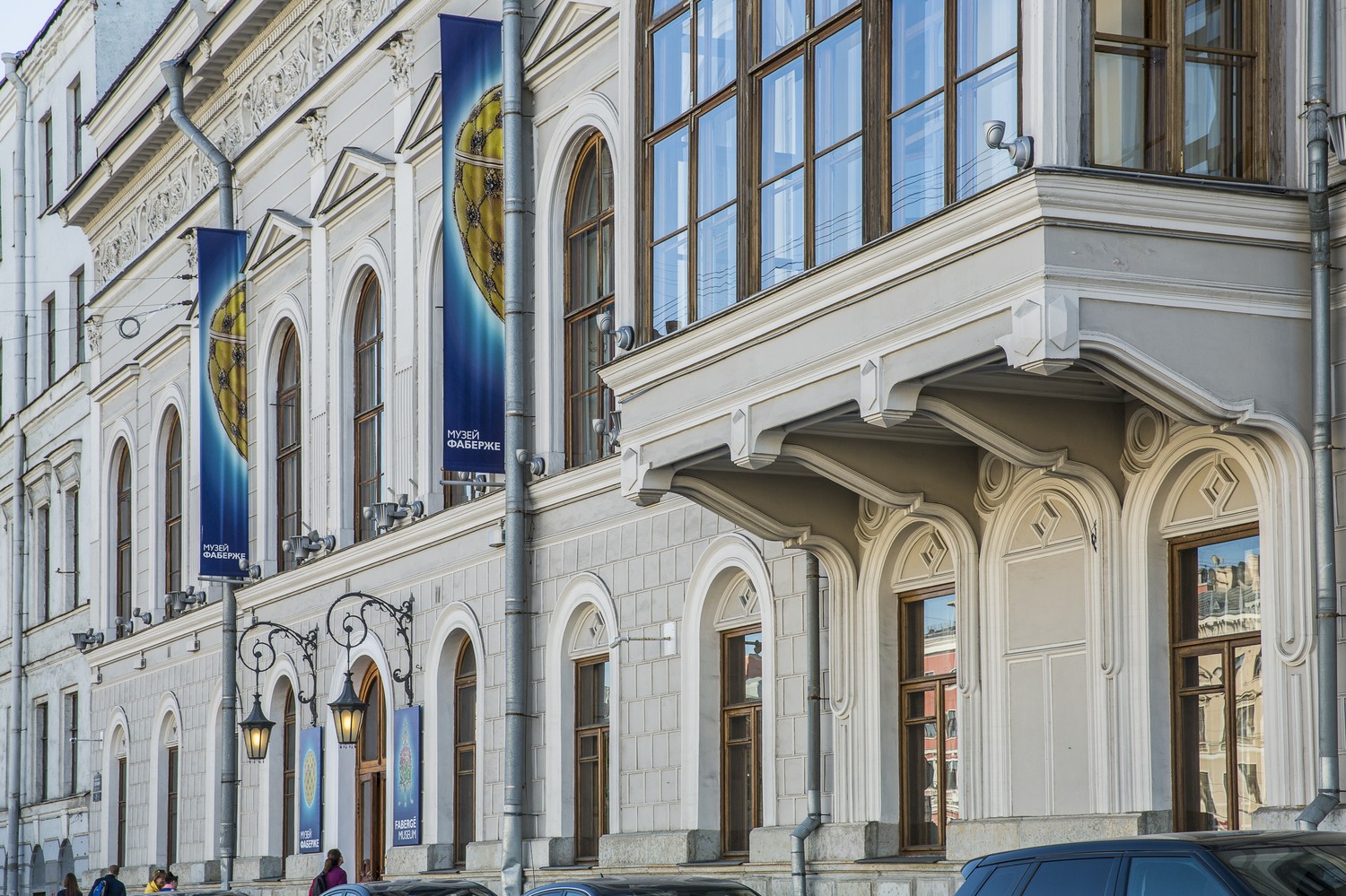
- Fabergé Museum
- FC Zenit Saint Petersburg
- Location: Санкт-Петербург, Россия
Artiști expuși
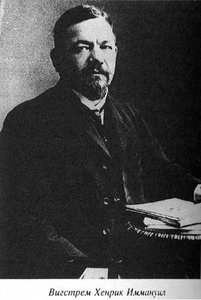
Henrik Immanuel Wigström
Henrik Immanuel Wigström (1862-1923) was a leading Fabergé workmaster known for exquisite silver & goldsmithing in Louis XVI, Empire, and neoclassical styles. Creator of hardstone animals, figures & flowers. Discover his legacy!

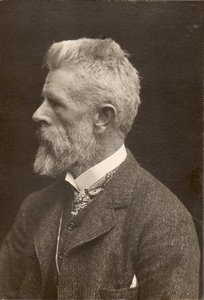
Laurits Tuxen
Descoperă Laurits Tuxen (1853-1927), pictor danez celebru pentru portrete regale și peisaje. Fondatorul Kunstnernes Frie Studieskoler.

Johan Victor Aarne
A master of exquisite jewelry and Fabergé collaboration, Johan Victor Aarne created legendary pieces like his royal table clock and gold frames, inviting you to discover the intricate brilliance of his imperial craftsmanship.
Quiz de artă
Fiecare întrebare are un singur răspuns corect.
Întrebare 1:
¿În ce oraș este situat Muzeul Fabergé?
Întrebare 2:
¿Ce caracteristici speciale au ouăle Fabergé?
Întrebare 3:
¿Pentru cine au fost comandate ouăle Fabergé?
Întrebare 4:
¿Ce material este folosit în principal pentru restaurarea Muzeului Fabergé?
Întrebare 5:
¿În ce an a fost fondat Muzeul Fabergé?
Articole similare

Timeless Elegance: A Guide to the Soul and Grandeur of Russian Art Styles
Explore the profound grandeur of Russian art, from sacred Orthodox icons to Imperial Romanov splendor. Discover a curated guide to historical masterpieces, perfect for elite collectors and discerning interior designers seeking timeless elegance and cultural depth.

25 Must-See Masterpieces at the Hermitage Museum, Saint Petersburg
Experience the grandeur of the Hermitage Museum. Explore 25 iconic artworks, from Renaissance classics to Dutch masters, and find timeless inspiration for your home decor through our museum-quality reproductions. Discover all masterpieces on OriginalUniqueArt.com.

Top 25 Masterpieces by Laurent Fabre: A Journey Through Neo-Abstract Geometry
Immerse yourself in the luminous world of Laurent Fabre. Explore 25 iconic Neo-Abstract masterpieces defined by geometric precision and chromatic harmony. Find inspiration for your space with museum-quality art reproductions. Discover all masterpieces on OriginalUniqueArt.com.
Lista de opere de artă din Fabergé Museum
Nu au fost găsite opere de artă.