
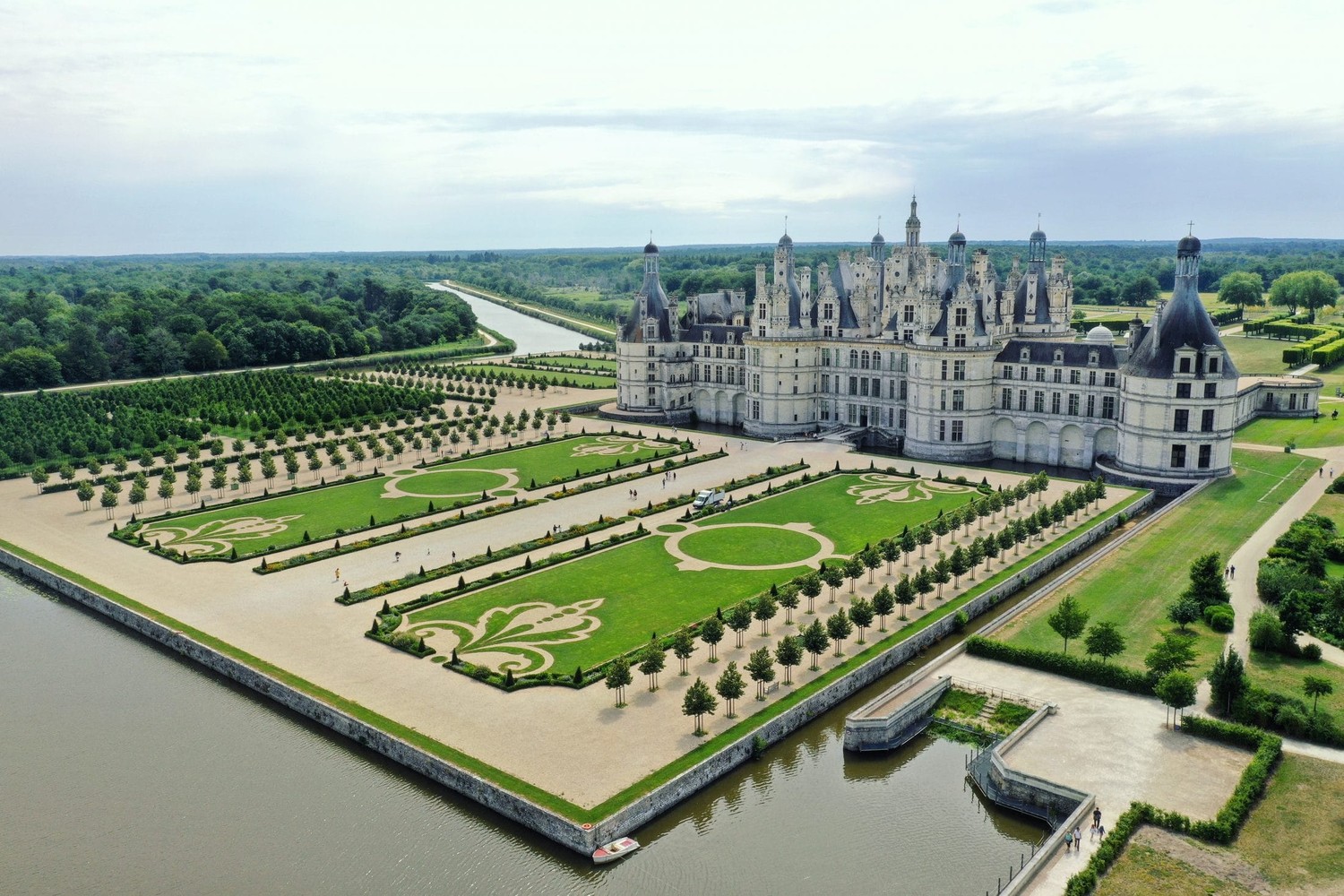
Detalii rapide
- Alternate names:
- Château de Chambord
- Chambourg
- Works on APS: 3
- Featured artists:
- Adam Frans van der Meulen
- étienne neurdein and louis-antonin neurdein
- pierre denis martin (dit martin le jeune)
- Location: Chambord, Franța
Quiz de artă
Fiecare întrebare are un singur răspuns corect.
Întrebare 1:
În ce stil arhitectural este construit Castelul Chambord?
Întrebare 2:
Castelul Chambord a fost comandat de:
Întrebare 3:
Ce arhitect celebru a influențat proiectarea scării principale?
Întrebare 4:
În timpul cărui război Castelul Chambord a fost folosit pentru protejarea unor opere de artă importante?
Întrebare 5:
Ce simbol reprezintă cele trei niveluri ale Castelului Chambord?
Artiști expuși

Adam Frans van der Meulen
Adam Frans van der Meulen (1632-1690) - pictor flamand renumit pentru scene de bătălii și peisaje, glorificând domnia lui Ludovic al XIV-lea și influențând arta militară franceză.


Étienne Neurdein și Louis-Antonin Neurdein
Descoperă fotografiile impresionante ale lui Étienne și Louis-Antonin Neurdein (Neurdein Frères). Fotografi francezi celebri pentru imagini monumentale ale monumentelor europene și peisajelor, precum Expoziția Paris din 1900 și opere emblematice precum Château de Chambord.
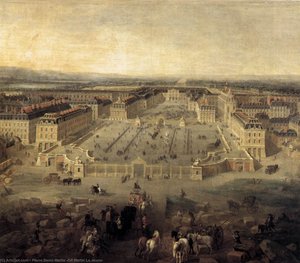
pierre denis martin (dit martin le jeune)
Explore the works of Pierre Denis Martin (Martin le Jeune), a French artist known for his Rococo paintings, particularly fêtes galantes and allegorical scenes. Discover his contributions to 18th-century French art and decorative arts.
Articole conexe

Top 10 Capodopere din Bronz care au Revoluționat Arta | OriginalUniqueArt.ro
Descoperiți Top 10 capodopere din bronz care au revoluționat arta! Rodin, Michelangelo și alții. Aflați istoria sculpturilor clasice și inspirație pentru decorul casei dvs. Reproduceri de artă de calitate muzeală pe OriginalUniqueArt.com
Michelangelo Buonarroti: Cele Mai Remarcabile 25 de Capodopere – Artă, Istorie și Decorațiuni Excepționale
Descoperă cele mai emblematice 25 de capodopere ale lui Michelangelo Buonarroti! Explorează sculpturi renascentiste, picturi iconice și fresce uimitoare. Află poveștile din spatele artei clasice și găsește inspirație pentru decorul tău pe OriginalUniqueArt.com.
Top 10 Tablouri Celebre în Nuanțe de Brun Nisipos: Artă și Decor Rafinat | OriginalUniqueArt.ro
Descoperă top 10 tablouri celebre dominate de nuanțe calde de brun nisipos! Explorează poveștile din spatele capodoperelor semnate de Van Gogh, Rembrandt și Monet. Reproduceri de artă de calitate muzeală pentru un decor interior rafinat pe OriginalUniqueArt.ro.
Catalog de opere de artă
Nu au fost găsite opere de artă.


Abonați-vă la newsletterul nostru
Rămâneți la curent cu cele mai recente știri din lumea artei, ofertele noastre exclusive și ideile de decor.
Primește 3 sugestii de artă gratuite
Spuneți-ne despre proiectul dumneavoastră, iar experții noștri în artă vă vor oferi 3 sugestii personalizate.
Not Sure Where to Start?
Let Us Curate 3 Options Just for You - Free!