

A Sacred Symphony of Stone and Spirit
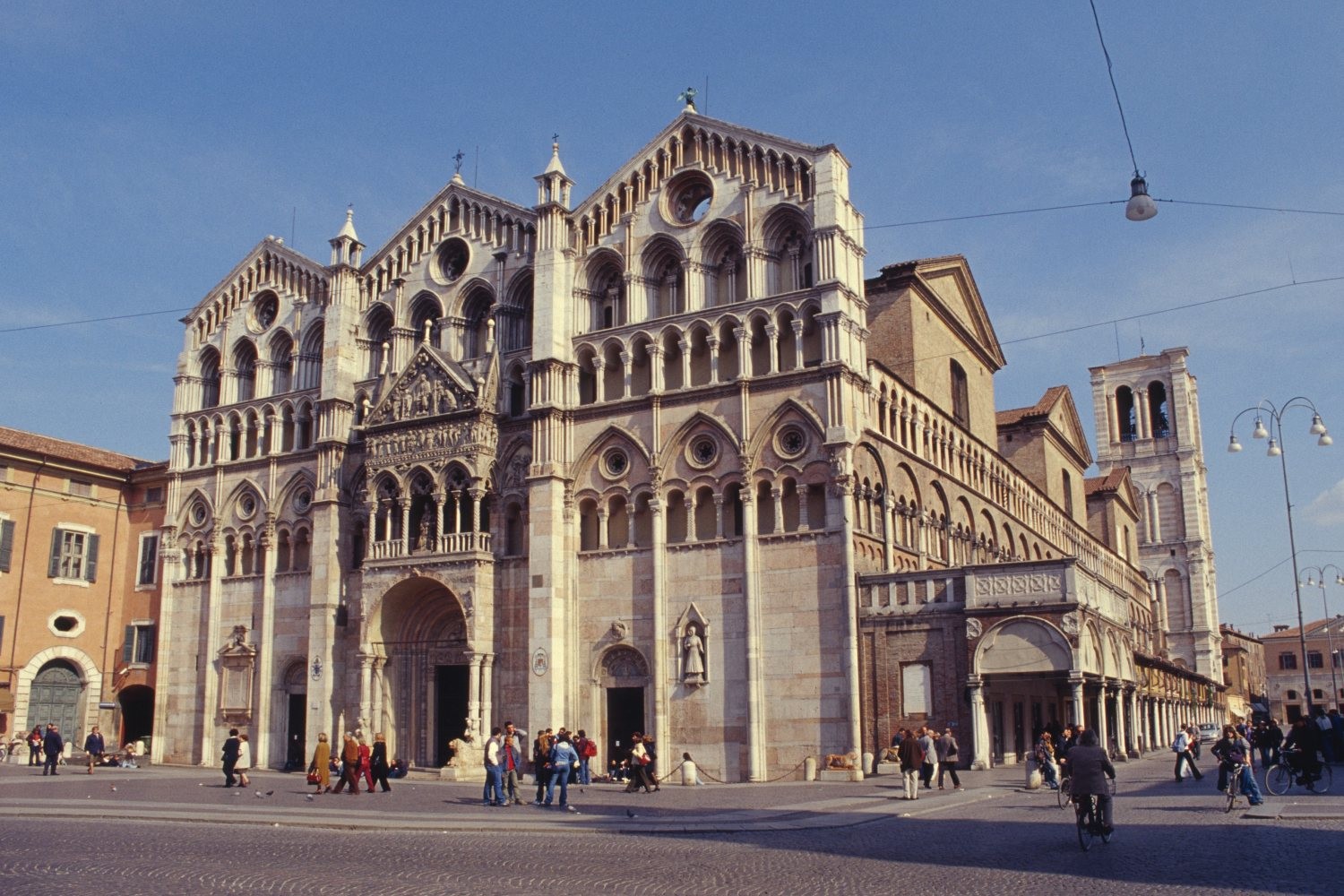
To step into the Cathedral Museum of Ferrara is to leave the modern world behind and enter a sanctuary where the boundaries between the earthly and the divine have long been blurred. Situated in the shadow of the magnificent Ferrara Cathedral, this museum serves as a profound chronicle of a city that has flourished under the watchful eyes of both saints and sovereigns. The air within its walls seems heavy with the weight of centuries, carrying the echoes of the Este dynasty’s grandeur and the solemn prayers of the Romanesque era. It is not merely a repository for artifacts but a living narrative of Ferrara’ and its evolution from a cluster of Byzantine settlements into a luminous jewel of the Italian Renaissance.
The museum’s architectural setting is an essential protagonist in this artistic drama. As visitors wander through the complex, they witness a breathtaking metamorphosis of style, where the sturdy, grounded arches of Romanesque architecture meet the soaring, ethereal aspirations of the Gothic period. This structural dialogue—a transition from heavy barrel vaults to delicate ribbed ceilings and light-drenched stained glass—mirrors the spiritual journey of the faithful. The museum’s placement within the cathedral complex ensures that every piece of art is viewed through a lens of historical continuity, allowing one to perceive how the very stones of Ferrara have been shaped by changing cultural tides.
Treasures of the Este Legacy
The collection itself is a curated masterpiece of religious and secular splendor, anchored by pieces that are inextricably linked to the cathedral’s own liturgical life. One cannot encounter the museum without being moved by the fragments of the original cathedral portal, sculpted by Nicholaus, a pupil of the legendary Wiligelmus. These stone carvings offer a poignant, tactile connection to the earliest expressions of Ferrarese craftsmanship, where every chisel mark speaks of devotion and raw, medieval power. This sense of antiquity is beautifully balanced by the refined elegance of the Renaissance, most notably seen in the breathtaking Cosme Tura Organ Case. This 15th-century marvel, which once adorned the cathedral’s organ, stands as a testament to the sophisticated musical and visual traditions that defined the court of the House of Este.
Beyond these singular icons, the museum houses a diverse assemblage of religious artifacts that illuminate the spiritual heartbeat of the region. From depictions of Saint George to intricate biblical narratives, the artworks reflect a period when art was the primary language of faith. For the discerning collector or interior designer, these pieces offer more than historical value; they provide a profound sense of texture and narrative depth. The museum frequently hosts exhibitions that bridge the gap between local Ferrarese traditions and the broader artistic currents flowing from Florence and Rome, creating a scholarly dialogue that celebrates the interconnectedness of the Italian peninsula’s greatest creative movements.
An Unparalleled Artistic Encounter
What truly distinguishes the Cathedral Museum of Ferrara from other institutions is its profound sense of place. It does not exist in isolation; rather, it exists in a symbiotic embrace with the cathedral itself. This intimacy provides an immersive experience that is rare in the modern museum landscape, allowing visitors to trace the evolution of artistic expression alongside the physical growth of the landmark building. It is a destination where history is not just studied but felt. For those who seek beauty that transcends time—whether through the rugged textures of medieval sculpture or the luminous grace of Renaissance painting—the museum offers a journey into the very soul of Ferrara, making it an essential pilgrimage for anyone captivated by the enduring power of human creativity.