Meniu
CONSULTAȚIE GRATUITĂ DE ARTĂ

Biblioteca Teresiana

Detalii rapide

  • Location: Mantua, Italy
  • Movements: baroque
  • Works on APS: 9
  • Featured artists:
    • Nicolas de Fer
    • paolo dal pozzo toscanelli
    • vincenzo maria coronelli
    • vindizio nodari pesenti
    • matthaeus greuter

Quiz de artă

Fiecare întrebare are un singur răspuns corect.

Întrebare 1:
What was the Biblioteca Teresiana primarily established to achieve?
Întrebare 2:
Who commissioned the construction of the Biblioteca Teresiana's original building?
Întrebare 3:
Paolo Pozzo designed the Biblioteca Teresiana rooms with what intention?
Întrebare 4:
Approximately how many images are currently available in the Biblioteca Teresiana's digital collection?
Întrebare 5:
What architectural style characterizes the Biblioteca Teresiana's building?

A Sanctuary of Knowledge: Exploring the Biblioteca Teresiana

Nestled in the heart of Mantua, Italy, the Biblioteca Teresiana stands as a testament to enlightened patronage and enduring intellectual pursuit. More than simply a repository for books, it is a living embodiment of the Habsburg dynasty’s commitment to culture during the 18th century, founded by none other than Empress Maria Theresa herself. To step within its walls is to journey back in time, to an era where scholarship flourished amidst Baroque splendor and the pursuit of knowledge was considered a noble undertaking. The library's origins are deeply intertwined with a broader program of educational reforms initiated across Mantua and Lombardo-Veneto, reflecting a desire to elevate the region through learning and artistic enrichment. It opened its doors in 1780, immediately becoming a beacon for scholars and a symbol of imperial ambition realized in the realm of intellect.

Architectural Harmony and Historical Echoes

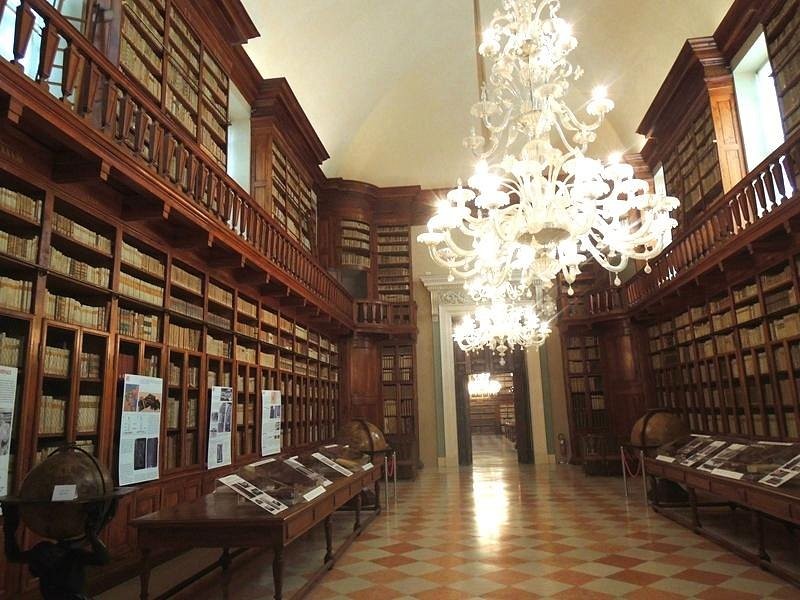
The Biblioteca Teresiana is housed within a building steeped in history, originally constructed as a Jesuit College. This architectural heritage lends an air of solemnity and grandeur to the space. The very stones seem to whisper tales of centuries past, of students poring over texts and scholars engaged in lively debate. Paolo Pozzo’s design for the Teresian rooms, completed in 1780, is particularly noteworthy – these spaces were conceived as havens for study, imbued with a sense of calm and focused energy. The elegant Baroque architecture, characterized by ornate ceilings and meticulously crafted furnishings, creates an inspiring environment that encourages contemplation and discovery. The building itself occupies an entire city block, demonstrating the scale of ambition behind its creation. Later renovations, particularly those completed in 2011 after concerns about structural integrity and modern needs arose, carefully balanced preservation with functionality, ensuring the library remains a vibrant resource for generations to come.

Treasures Within: A Collection of Unparalleled Significance

The Biblioteca Teresiana’s collection is nothing short of extraordinary. It boasts an impressive array of rare incunabula – books printed before 1501 – alongside ancient manuscripts that offer invaluable insights into the intellectual currents of past eras. These are not merely objects; they are portals to different worlds, tangible links to the minds and ideas that have shaped our civilization. Beyond textual treasures, the library also safeguards important Renaissance artworks, including paintings and exquisitely detailed globes crafted by Vincenzo Coronelli. The digital collection, now encompassing over 520,000 images, further expands access to these invaluable resources, allowing scholars and enthusiasts worldwide to explore its holdings. This commitment to digitization ensures that the Biblioteca Teresiana’s legacy will endure in the digital age, reaching a wider audience than ever before. Imagine tracing the evolution of scientific thought through meticulously illuminated manuscripts—a privilege afforded to visitors today.

Notable Exhibitions and Artistic Legacy

Throughout its history, the Biblioteca Teresiana has hosted exhibitions that illuminate both its artistic holdings and broader cultural trends. Recurring displays showcase masterpieces from Mantuan artists alongside international influences, prompting dialogue about aesthetics and intellectual exchange. Recent initiatives have focused on exploring connections between Baroque art and scientific innovation, demonstrating how seemingly disparate disciplines could inspire one another during this transformative period. The Biblioteca’s influence extends beyond its walls, inspiring subsequent generations of scholars and artists to champion the pursuit of knowledge and beauty.

A Unique Cultural Landmark

What truly sets the Biblioteca Teresiana apart is its seamless fusion of historical architecture, exceptional collections, and imperial provenance. It isn't simply a library; it’s a monument to Italian and European heritage, a place where the past comes alive through the tangible remnants of human creativity and intellectual endeavor. The founding by Maria Theresa adds a unique layer of significance, connecting the institution to a powerful dynasty and a period of significant political and cultural change. It stands as a reminder that libraries are not static archives but dynamic centers of learning, constantly evolving while preserving the wisdom of ages—a beacon for those seeking inspiration and understanding in the heart of Mantua’s artistic soul.

Catalog de opere de artă

Nu au fost găsite opere de artă.