Portretul lui Wit Stwosz

Cele 35 cele mai faimoase picturi ale lui Wit Stwosz, o selecție de galerie

Actualizat Noiembrie 2026 · clasat în funcție de scorul nostru de popularitate (căutări, vizite și comenzi pentru fiecare operă) · 35 lucrări ale lui Wit Stwosz în catalogul nostru

Pe scurt

Dintre toate originalele lăsate de Wit Stwosz, cea mai faimoasă este Engelsgruss of St. Lawrence Church in Nuremberg (1518), din colecția Muzeele Municipale din Nürnberg, Nuremberg. Imediat după acestea urmează High Altar of St Mary (detail of the Lamentation) (1477) și High Altar of St Mary (Resurrection) (1477). Catalogul nostru cuprinde 35 lucrări ale lui Wit Stwosz; galeria a păstrat cele 35 pe care lumea le admiră cel mai mult, fiecare fiind prezentată împreună cu data, muzeul și povestea sa.

1447 – 1533, Horbach Northern renaissance Cele mai multe lucrări: Biserica Sfânta Maria

Cele mai importante 10 picturi ale lui Wit Stwosz: selecția galeriei

1
Engelsgruss of St. Lawrence Church in Nuremberg (1518) de Wit Stwosz

Engelsgruss of St. Lawrence Church in Nuremberg

1518 · Wood · Muzeele Municipale din Nürnberg, Nuremberg

In the center of the choir of St. Lorenz Church in Nuremberg, a miracle hangs from the shadows. It is an assemblage of life-sized limewood figures, suspended by a metal chain as if caught in a moment of eternal descent. The wood carries the weight of a divine encounter, the Annunciation, frozen in the quiet tension between heaven and earth. Light catches the curves of the carving, revealing the soft…

3
High Altar of St Mary (Resurrection) (1477) de Wit Stwosz

High Altar of St Mary (Resurrection)

1477 · Wood · Biserica Sfânta Maria, Cracovia

To stand before the High Altar of St Mary is to witness a moment where the earthly and the divine collide in a breathtaking display of late Gothic mastery. Carved between 1477 and 1489 by the incomparable German sculptor Wit Stwosz (also known as Veit Stoss), this monumental retable is far more than a religious relic; it is a narrative symphony rendered in wood. The altar, which resides in the…

4
High Altar of St Mary (Apostle Peter and Malchus) (1477) de Wit Stwosz

High Altar of St Mary (Apostle Peter and Malchus)

1477 · Biserica Sfânta Maria, Cracovia

To stand before the High Altar of St Mary is to witness a moment where the boundaries between the earthly and the divine dissolve into the grain of ancient wood. Created by the incomparable Wit Stwosz (also known as Veit Stoss) between 1477 and 1489, this monumental achievement in Kraków’s St Mary’s Basilica is far more than a religious relic; it is a breathtaking triumph of the Late Gothic Baroque…

5
High Altar of St Mary (detail) (1477) de Wit Stwosz

High Altar of St Mary (detail)

1477 · Tempera On Panel

This work is a detail from the High Altar of St Mary (detail) by Wit Stwosz. Known in Poland as Wit Stwosz, the artist created this piece around 1477. It forms part of the larger Veit Stoss Altarpiece, a significant sculptural ensemble located in St Mary's Basilica in Kraków, Poland.

7
Virgin and Child with Pomegranate (1500) de Wit Stwosz

Virgin and Child with Pomegranate

1500 · Engraving · Staatliche Graphische Sammlung, Munchen

The artwork presents a monochrome depiction of the Virgin Mary holding the infant Jesus. The composition is centered around these two figures, who are positioned slightly off-center within the frame. Mary stands with her head tilted slightly downwards toward the child in her arms, her drapery flowing dynamically to add movement to the scene. The background remains largely empty, focusing all attention on the central figures. A pomegranate may be…

8
Lamentation (1500) de Wit Stwosz

Lamentation

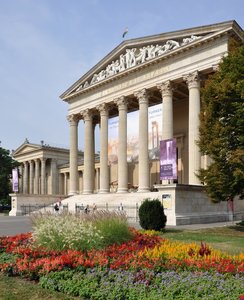
1500 · Engraving · Muzeul de Artă Fine din Budapesta, Budapesta

To look upon this work is to witness a moment of profound stillness amidst a storm of grief. The scene depicts the Lamentation, a quiet yet heavy moment where Christ lies supine in the lap of Mary. There is a certain gravity to the composition, a pyramidal structure that draws the eye downward toward the central figure of the deceased. Above them, an angel hovers, suspended in a state of…

9
Annunciation (1517) de Wit Stwosz

Annunciation

1517 · Wood · St Lorenzkirche, Nuremberg

The Annunciation by Wit Stwosz was commissioned in 1517 by Anton II Tucher. Tucher held a high-ranking official position in Nuremberg. This assemblage of life-sized limewood sculptures was completed in 1518. The work was intended to function as a devotional centerpiece for those reciting the rosary or participating in other Marian devotions.

10
Winged Altarpiece (detail) (1523) de Wit Stwosz

Winged Altarpiece (detail)

1523 · Wood · Catedrala din Bamberg, Bamberg

The Winged Altarpiece (detail) by Wit Stwosz presents a quiet moment of stillness. This fragment of a larger sculptural work captures a human figure in a state of profound repose. The subject appears to be a religious or allegorical figure, caught in a private instance of devotion. Every line of the face suggests a soul turned inward, away from the noise of the world and toward a silent, spiritual presence.

Selecția pentru Wit Stwosz continuă, de la 11 la 35

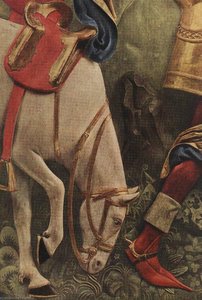
11High Altar of St Mary (Jerome) (1477) de Wit StwoszHigh Altar of St Mary (Jerome)1477 · Biserica Sfânta Maria 12Christ Child (1525) de Wit StwoszChrist Child1525 13High Altar of St Mary (frame figure) (1477) de Wit StwoszHigh Altar of St Mary (frame figure)1477 · Biserica Sfânta Maria 14High Altar of St Mary (1477) de Wit StwoszHigh Altar of St Mary1477 · Biserica Sfânta Maria 15High Altar of St Mary (Angel with Lute) (1477) de Wit StwoszHigh Altar of St Mary (Angel with Lute)1477 · Biserica Sfânta Maria 16High Altar of St Mary (detail) (1477) de Wit StwoszHigh Altar of St Mary (detail)1477 · Biserica Sfânta Maria 17High Altar of St Mary (St Anne) (1477) de Wit StwoszHigh Altar of St Mary (St Anne)1477 · Biserica Sfânta Maria 18High Altar of St Mary (a soldier) (1477) de Wit StwoszHigh Altar of St Mary (a soldier)1477 · Biserica Sfânta Maria 19High Altar of St Mary (Apostle John) (1477) de Wit StwoszHigh Altar of St Mary (Apostle John)1477 · Biserica Sfânta Maria 20High Altar of St Mary (Pouring the Bathing Water) (1477) de Wit StwoszHigh Altar of St Mary (Pouring the Bathing Water)1477 · Biserica Sfânta Maria 21Dormition of the Virgin (1477) de Wit StwoszDormition of the Virgin1477 · Biserica Sfânta Maria 22High Altar of St Mary (detail of the Lamentation) (1477) de Wit StwoszHigh Altar of St Mary (detail of the Lamentation)1477 · Biserica Sfânta Maria 23High Altar of St Mary (a horse) (1477) de Wit StwoszHigh Altar of St Mary (a horse)1477 · Biserica Sfânta Maria 24High Altar of St Mary (detail of the Noli me tangere) (1477) de Wit StwoszHigh Altar of St Mary (detail of the Noli me tangere)1477 · Biserica Sfânta Maria 25High Altar of St Mary (head of Mary) (1477) de Wit StwoszHigh Altar of St Mary (head of Mary)1477 · Biserica Sfânta Maria 26High Altar of St Mary (Doctors) (1477) de Wit StwoszHigh Altar of St Mary (Doctors)1477 · Biserica Sfânta Maria 27Mary and the Child (1500) de Wit StwoszMary and the Child1500 · Victoria and Albert Museum 28Annunciation (detail) (1517) de Wit StwoszAnnunciation (detail)1517 · St. Lorenz 29Young Tobias (1516) de Wit StwoszYoung Tobias1516 · Germanisches Nationalmuseum 30Annunciation (1517) de Wit StwoszAnnunciation1517 · St Lorenzkirche 31Tobias and the Angel (1516) de Wit StwoszTobias and the Angel1516 · Germanisches Nationalmuseum 32Saint Vitus in a cauldron of oil (1520) de Wit StwoszSaint Vitus in a cauldron of oil1520 · Germanisches Nationalmuseum 33Antler Chandelier in the Shape of a Dragon (1522) de Wit StwoszAntler Chandelier in the Shape of a Dragon1522 · Germanisches Nationalmuseum 34Winged Altarpiece (1523) de Wit StwoszWinged Altarpiece1523 · Catedrala din Bamberg 35High Altar of St Mary (Crucifixion) (1477) de Wit StwoszHigh Altar of St Mary (Crucifixion)1477 · Biserica Sfânta Maria

Piesele celebre ale lui Wit Stwosz, perioadă cu perioadă

Subiectele care i-au captivat privirea lui Wit Stwosz

Cele patru teme care revin cel mai des în aceste opere originale, fiecare având cel mai sublim exemplu.

Muzeele care păstrează originalele lui Wit Stwosz

Cele 8 muzee care dețin cele mai multe dintre picturile de pe această pagină.

Muzee Oraș Lucrări lui Wit Stwosz Picturi din această listă
Biserica Sfânta Maria, CracoviaBiserica Sfânta Maria Cracovia 20 High Altar of St Mary (detail of the Lamentation), High Altar of St Mary (Resurrection), High Altar of St Mary (Apostle Peter and Malchus)
Germanisches Nationalmuseum, NurembergGermanisches Nationalmuseum Nuremberg 4 Young Tobias, Tobias and the Angel, Saint Vitus in a cauldron of oil
St Lorenzkirche, NurembergSt Lorenzkirche Nuremberg 2 Annunciation, Annunciation
Catedrala din Bamberg, BambergCatedrala din Bamberg Bamberg 2 Winged Altarpiece (detail), Winged Altarpiece
Muzeele Municipale din Nürnberg, NurembergMuzeele Municipale din Nürnberg Nuremberg 1 Engelsgruss of St. Lawrence Church in Nuremberg
Staatliche Graphische Sammlung, MunchenStaatliche Graphische Sammlung Munchen 1 Virgin and Child with Pomegranate
Muzeul de Artă Fine din Budapesta, BudapestaMuzeul de Artă Fine din Budapesta Budapesta 1 Lamentation
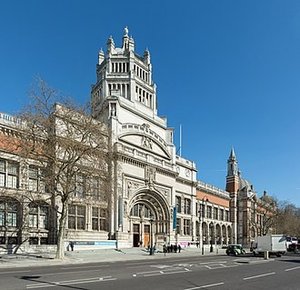
Victoria and Albert Museum, LondraVictoria and Albert Museum Londra 1 Mary and the Child

Wit Stwosz deceniu cu deceniu: originalul care definește fiecare

Lucrări pe deceniu

Alege o deceniu pentru a descoperi opera originală care îl definește.

Întrebări ale colecționarilor despre picturile lui Wit Stwosz

Pentru ce operă este cel mai cunoscut Wit Stwosz?Află răspunsul

Engelsgruss of St. Lawrence Church in Nuremberg (1518), Muzeele Municipale din Nürnberg, Nuremberg. Urmează High Altar of St Mary (detail of the Lamentation) (1477) și High Altar of St Mary (Resurrection) (1477).

Ce vârstă avea Wit Stwosz când a fost creată Engelsgruss of St. Lawrence Church in Nuremberg?Află răspunsul

71 ani: Engelsgruss of St. Lawrence Church in Nuremberg datează din 1518, iar Wit Stwosz s-a născut în 1447.

Care sunt cele mai celebre zece picturi ale lui Wit Stwosz?Află răspunsul

Engelsgruss of St. Lawrence Church in Nuremberg, High Altar of St Mary (detail of the Lamentation), High Altar of St Mary (Resurrection), High Altar of St Mary (Apostle Peter and Malchus), High Altar of St Mary (detail), High Altar of St Mary (heads of Joachim and Anne), Virgin and Child with Pomegranate, Lamentation, Annunciation și Winged Altarpiece (detail). Clasamentul de mai sus indică anul și muzeul pentru fiecare piesă.

Câte picturi a lăsat Wit Stwosz?Află răspunsul

Catalogul nostru cuprinde 35 lucrări ale lui Wit Stwosz, datate între 1477 și 1525.

În ce muzee sunt expuse capodoperele lui Wit Stwosz?Află răspunsul

În principal în Biserica Sfânta Maria (Cracovia), Germanisches Nationalmuseum (Nuremberg) și St Lorenzkirche (Nuremberg). Tabelul cu muzee de mai sus le enumeră pe toate.

În ce ani a pictat Wit Stwosz cele mai cunoscute opere?Află răspunsul

În 1470s: 21 dintre cele 35 lucrări de pe această pagină au fost realizate atunci, fiind High Altar of St Mary (detail of the Lamentation) dintre acestea.

Care sunt prima și ultima pictură originală celebră a lui Wit Stwosz?Află răspunsul

Pe această pagină, cea mai veche lucrare datează din High Altar of St Mary (detail of the Lamentation) (1477), iar cea mai recentă este din Christ Child (1525).

Ce subiecte a ales cel mai des Wit Stwosz?Află răspunsul

Woman (12), Sculpture (8) și Man (6), din cele 35 lucrări de pe această pagină.

Ce tehnică a folosit cel mai des Wit Stwosz?Află răspunsul

Wood, pentru 22 dintre cele 35 lucrări de pe această pagină.

Din ce mișcare artistică face parte Wit Stwosz?Află răspunsul

Northern renaissance, judecând după originalele de pe această pagină.

Ce lucrări ale lui Wit Stwosz sunt expuse la Biserica Sfânta Maria?Află răspunsul

High Altar of St Mary (detail of the Lamentation), High Altar of St Mary (Resurrection) și High Altar of St Mary (Apostle Peter and Malchus): Biserica Sfânta Maria, Cracovia deține 20 dintre lucrările de pe această pagină.

Wit Stwosz: viață și operă

Drama emoțională a lui Wit Stwosz

A te înfrunta operele lui Wit Stwosz, cunoscut și sub numele de Veit Stoß, înseamnă a întâlni o undă profundă de emoție umană capturată în lemn. Acest maestru sculptor german, a cărui viață a cuprins tranziția tulburătoare dintre perioada tardogotică și renașterea incipientă din Nord, nu s-a limitat doar la a sculpta figuri; el le-a suflat viață. Arteza sa era profund înrădăcinată în fervoarea dramatică a timpului său, îmbânaându-și creațiile din lemn cu un sentiment de patos aproape palpabil. Deși detaliile primelor sale ucenicii rămân ascunse în ceața istoriei, este clar că, încă din anii săi formativi, a absorbit disciplina riguroasă a tradiției atelierelor germane, stăpânind tehnici care i-au permis să transforme lemnul masiv în vesseluri ale narativului spiritual.

Stăpânirea materialului și a mișcării

Genialitatea tehnică a lui Stwosz rezida în capacitatea sa fără egal de a manipula lemnul. Realizarea sa emblematică a fost reprezentarea draperiilor — modul în care țesătura cade, plutește și aderă unei forme este tratat nu ca o simplă acoperire, ci ca un participant activ în drama care se desfășoară în cadrul sculpturii. Acest stil de sculptură virtuoz a condus istoricii artei la inventarea unor termeni precum „baroc tardogotic”, recunoscând modul în care el a infuzat structurile rigide ale stilurilor anterioare cu o energie dinamică, aproape neliniștită. Figurile sale par surprinse în mijlocul unui gest, robele lor vârtejindu-se ca și cum ar fi fost mișcate de un vânt divin nevăzut. Această accentuare a mișcării și a intensității emoționale îl marchează ca o figură pivot, a cărei operă a servit drept punte între epoci stilistice.

Iconografie și moștenire durabilă

Deși influența sa a permeat curentul artistic al erei sale, este poate imposibil să discutăm despre Stwosz fără a recunoaște altarul monumental găzduit în Basilica Sfânta Maria din Cracovia, Polonia. Această piesă stă ca o mărturie impunătoare a geniului său, exemplificând complexitatea narativă și profunzimea emoțională care i-au definit cariera. Dincolo de această capodoperă, lucrările supraviețuitoare, precum Fecioara și Pruncul cu Sfânta Ana, continuă să demonstreze înțelegerea sa profundă a iconografiei sacre. Capacitatea sa de a îmbâna subiectele religioase cu o astfel de intensitate umană a asigurat faptul că moștenirea sa a răsunat mult dincolo de atelierele Germaniei.

O punte între epoci

Importanța lui Wit Stwosz nu poate fi exagerată; a fost un artist care a navigat printr-o perioadă de imensă agitație culturală. El a luat intensitatea spirituală și naturalismul detaliat caracteristice perioadei tardogotice și le-a infuzat cu un simț incipient al umanismului renascentist, menținând în același timp o fervoare emoțională unic germană. Angajamentul său de a surprinde viața interioară — dorința, tristețea, extazul divin — prin mediul tangibil al lemnului, i-a asigurat locul de maestru artizan a cărui viziune continuă să provoace și să emoționeze privitorii contemporani deopotrivă.