


1


Actualizat Octombrie 2026 · clasat în funcție de scorul nostru de popularitate (căutări, vizite și comenzi pentru fiecare operă) · 23 lucrări ale lui William Hart în catalogul nostru
Pe scurt
Dintre toate originalele lăsate de William Hart, cea mai faimoasă este Hudson River Landscape (1854). Imediat după acestea urmează Tivoli Falls (1851) și Rocky Coast at Sunset (1860). Catalogul nostru cuprinde 23 lucrări ale lui William Hart; galeria a păstrat cele 22 pe care lumea le admiră cel mai mult, fiecare fiind prezentată împreună cu data, muzeul și povestea sa.


 Cows in the Meadow1878
12
 Hudson River Landscape1879
13
 Scene at Napanoch1883 · Metropolitan Museum of Art
14
 Cattle and Landscape1880 · Centennial One Object Exhibit
15
 Grand manan
16
 New London, Connecticut
17
 Fields in Summer
18
 Near Tappan Zee, New York
19
 View of New Hampshire
20
 Sunset over the Lake
21
 Summer stream
22
 Woodland scene
Cele patru teme care revin cel mai des în aceste opere originale, fiecare având cel mai sublim exemplu.
Cele 4 muzee care dețin cele mai multe dintre picturile de pe această pagină.
| Muzee | Oraș | Lucrări lui William Hart | Picturi din această listă |
|---|---|---|---|
 Albany Institute of History - Art |
Albany | 1 | Tivoli Falls |
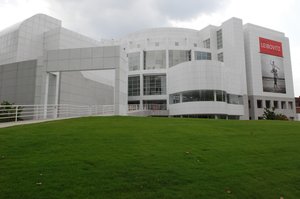 High Museum of Art |
Atlanta | 1 | The Last Gleam |
 Metropolitan Museum of Art |
New York | 1 | Scene at Napanoch |
 Centennial One Object Exhibit |
Unknown | 1 | Cattle and Landscape |
Lucrările datate ale lui William Hart din această selecție acoperă doar 6 ani, de la 1878 la 1883: o carieră scurtă, prezentată aici an de an.
Alege un an pentru a vedea originalele acestuia.


This painting hangs in the dining room of Thomas Edison

William Hart's "Scene at Napanoch," painted in 1883, isn’t merely a landscape; it’s a carefully constructed tableau of rural life imbued with a profound sense of quiet observation and the subtle melancholy inherent in capturing a fleeting moment. This Hudson River School masterpiece, housed within The Metropolitan Museum of Art in New York City, offers a glimpse into a bygone era – a time when America was still grappling with…
Hudson River Landscape (1854). Urmează Tivoli Falls (1851) și Rocky Coast at Sunset (1860).
Hudson River Landscape, Tivoli Falls, Rocky Coast at Sunset, On the Maine Coast, Study for View of the Valley of the White Mountains, New Hampashire, 1857''', Harvest Scene - Valley of the Delaware, Sunset in the Valley, The Last Gleam, The Land, Keene Valley și Deer in the Adirondacks. Clasamentul de mai sus indică anul și muzeul pentru fiecare piesă.
Catalogul nostru cuprinde 23 lucrări ale lui William Hart, datate între 1878 și 1883.
În principal în Albany Institute of History - Art (Albany), High Museum of Art (Atlanta) și Metropolitan Museum of Art (New York). Tabelul cu muzee de mai sus le enumeră pe toate.
În 1878: 3 dintre cele 22 lucrări de pe această pagină au fost realizate atunci, fiind The Land, Keene Valley dintre acestea.
Pe această pagină, cea mai veche lucrare datează din The Land, Keene Valley (1878), iar cea mai recentă este din Scene at Napanoch (1883).
Landscape (4), Sunset (3) și Usa (3), din cele 22 lucrări de pe această pagină.
Hudson river school, judecând după originalele de pe această pagină.


