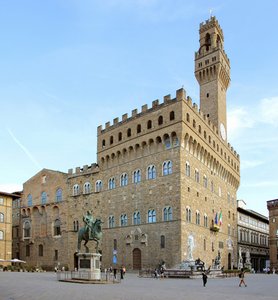
Portretul lui Stradanus

Cele 21 cele mai faimoase picturi ale lui Stradanus, o selecție de galerie

Actualizat Octombrie 2026 · clasat în funcție de scorul nostru de popularitate (căutări, vizite și comenzi pentru fiecare operă) · 22 lucrări ale lui Stradanus în catalogul nostru

Pe scurt

Dintre toate originalele lăsate de Stradanus, cea mai faimoasă este An Alchemist's Laboratory (1570), din colecția Palazzo Vecchio, Florența. Imediat după acestea urmează Color Olivi (Invention of Oil Painting), plate 14 in the Nova Reperta (New Inventions of Modern Times) (1596) și Crucifixion (1569). Catalogul nostru cuprinde 22 lucrări ale lui Stradanus; galeria a păstrat cele 21 pe care lumea le admiră cel mai mult, fiecare fiind prezentată împreună cu data, muzeul și povestea sa.

1523 – 1605, Bruges Mannerism Cele mai multe lucrări: Palazzo Vecchio

Cele mai importante 10 picturi ale lui Stradanus: selecția galeriei

2
Color Olivi (Invention of Oil Painting), plate 14 in the Nova Reperta (New Inventions of Modern Times) (1596) de Stradanus

Color Olivi (Invention of Oil Painting), plate 14 in the Nova Reperta (New Inventions of Modern Times)

1596 · Engraving

The print titled Color Olivi (Invention of Oil Painting), plate 14 in the Nova Reperta (New Inventions of Modern Times) emerges from the workshop of Jan van der Straet, known as Stradanus. This specific plate captures a moment of creation within a busy studio. It was brought into being in Antwerp, Netherlands, around 1596. The ink traces the vision of Stradanus, a Flemish artist who moved between the traditions of…

3
Crucifixion (1569) de Stradanus

Crucifixion

1569 · Oil On Panel · Santissima Annunziata, Florența

The painting titled Crucifixion was executed by Jan van der Straet, an artist also known as Stradanus or Giovanni Stradano. Created in 1569, this work originated in Firenze. The piece is located within the Basilica della Santissima Annunziata in Florence. Stradanus, who lived from 1523 to 1605, produced this oil on panel composition during his time in Italy.

4
Lamentation of Christ (1564) de Stradanus

Lamentation of Christ

1564 · Oil On Canvas · Colecțiile Statale de Pictură din Bavaria, Munchen

In Stradanus's Lamentation of Christ, a crowded arrangement of elongated figures creates a sense of heavy, overlapping movement. The scene unfolds within a dark, nocturnal environment, illuminated by a pale moon and an unseen light source. This light strikes the musculature of Christ and the heavy folds of draped fabrics, carving deep shadows across the composition. A single ladder rises vertically in the background, providing a sharp structural contrast to…

5
The enlargement of the city of Florence (1563) de Stradanus

The enlargement of the city of Florence

1563 · Oil · Palazzo Vecchio, Florența

The enlargement of the city of Florence by Stradanus presents a panoramic view of a sprawling urban landscape. The composition is split into two distinct realms. In the foreground, a crowded assembly of figures engages in various activities, their forms grounded in a detailed, immediate space. Beyond them, the scene opens into a vast, elevated background where the dense architecture of the city rises against a backdrop of rolling hills.…

10
Vanity, Modesty and Death (1569) de Stradanus

Vanity, Modesty and Death

1569 · Oil · Muzeul Luvru, Paris

In the quiet, dramatic shadows of the late sixteenth century, Johannes Stradanus captured a profound tension between the ephemeral beauty of life and the inevitable approach of the end. His masterpiece, “Vanity, Modesty and Death,” serves as a hauntingly beautiful allegory, inviting the viewer into a deeply personal contemplation of human nature. Created around 1569, this work is not merely a painting but a philosophical dialogue rendered in oil, where…

Selecția pentru Stradanus continuă, de la 11 la 21

Subiectele care i-au captivat privirea lui Stradanus

Cele patru teme care revin cel mai des în aceste opere originale, fiecare având cel mai sublim exemplu.

Muzeele care păstrează originalele lui Stradanus

Cele 6 muzee care dețin cele mai multe dintre picturile de pe această pagină.

Muzeu Oraș Lucrări lui Stradanus Picturi din această listă
Palazzo Vecchio, FlorențaPalazzo Vecchio Florența 4 An Alchemist's Laboratory, The enlargement of the city of Florence, Esther Receiving the Crown from Ahasuerus
Colecția Regală, LondraColecția Regală Londra 3 Silkworm Farm, Silkworm Farm, Reeling of the Silk
Santissima Annunziata, FlorențaSantissima Annunziata Florența 1 Crucifixion
Colecțiile Statale de Pictură din Bavaria, MunchenColecțiile Statale de Pictură din Bavaria Munchen 1 Lamentation of Christ
Art Museum, SeattleArt Museum Seattle 1 Allegory
Muzeul Luvru, ParisMuzeul Luvru Paris 1 Vanity, Modesty and Death

Stradanus deceniu cu deceniu: originalul care definește fiecare

Lucrări pe deceniu

Alege o deceniu pentru a descoperi opera originală care îl definește.

Întrebări ale colecționarilor despre picturile lui Stradanus

Pentru ce operă este cel mai cunoscut Stradanus?Află răspunsul

An Alchemist's Laboratory (1570), Palazzo Vecchio, Florența. Urmează Color Olivi (Invention of Oil Painting), plate 14 in the Nova Reperta (New Inventions of Modern Times) (1596) și Crucifixion (1569).

Ce vârstă avea Stradanus când a fost creată An Alchemist's Laboratory?Află răspunsul

47 ani: An Alchemist's Laboratory datează din 1570, iar Stradanus s-a născut în 1523.

Care sunt cele mai celebre zece picturi ale lui Stradanus?Află răspunsul

An Alchemist's Laboratory, Color Olivi (Invention of Oil Painting), plate 14 in the Nova Reperta (New Inventions of Modern Times), Crucifixion, Lamentation of Christ, The enlargement of the city of Florence, Allegory, Silkworm Farm, Silkworm Farm, The Discovery of America, plate 1 from the și Vanity, Modesty and Death. Clasamentul de mai sus indică anul și muzeul pentru fiecare piesă.

Câte picturi a lăsat Stradanus?Află răspunsul

Catalogul nostru cuprinde 22 lucrări ale lui Stradanus, datate între 1561 și 1596.

În ce muzee sunt expuse capodoperele lui Stradanus?Află răspunsul

În principal în Palazzo Vecchio (Florența), Colecția Regală (Londra) și Santissima Annunziata (Florența). Tabelul cu muzee de mai sus le enumeră pe toate.

În ce ani a pictat Stradanus cele mai cunoscute opere?Află răspunsul

În 1560s: 5 dintre cele 21 lucrări de pe această pagină au fost realizate atunci, fiind Crucifixion dintre acestea.

Care sunt prima și ultima pictură originală celebră a lui Stradanus?Află răspunsul

Pe această pagină, cea mai veche lucrare datează din Esther Receiving the Crown from Ahasuerus (1561), iar cea mai recentă este din Color Olivi (Invention of Oil Painting), plate 14 in the Nova Reperta (New Inventions of Modern Times) (1596).

Ce subiecte a ales cel mai des Stradanus?Află răspunsul

People (5), Buildings (3) și Figures (2), din cele 21 lucrări de pe această pagină.

Ce tehnică a folosit cel mai des Stradanus?Află răspunsul

Oil, pentru 3 dintre cele 21 lucrări de pe această pagină.

Din ce mișcare artistică face parte Stradanus?Află răspunsul

Mannerism, judecând după originalele de pe această pagină.

Ce lucrări ale lui Stradanus sunt expuse la Palazzo Vecchio?Află răspunsul

An Alchemist's Laboratory, The enlargement of the city of Florence și Esther Receiving the Crown from Ahasuerus: Palazzo Vecchio, Florența deține 4 dintre lucrările de pe această pagină.

Pot comanda o reproducere a unei picturi a lui Stradanus?Află răspunsul

Da, ca reproducere: originalul rămâne în muzeu, însă orice pictură de pe această pagină poate fi pictată manual pentru tine, la comandă, unic pentru tine, direct de pe pagina proprie a picturii.

Stradanus: viață și operă

Johannes Stradanus: A Florentine Master of Myth and Emblem

Jan van der Straet, better known as Johannes Stradanus or Giovanni Stradano, was a pivotal figure in 16th-century European art, primarily recognized for his masterful depictions of mythological scenes, allegorical representations, and refined portraiture. Born in Bruges, Belgium, around 1523, into a family deeply rooted in the artistic traditions of Flanders, Stradanus’s career unfolded across multiple centers – initially in his homeland, then Antwerp, and ultimately culminating in Florence, Italy, where he established himself as a leading court artist for the Medici family. His journey reflects the broader currents of Renaissance art, blending Northern European realism with Italian Mannerist elegance and humanist ideals. Stradanus’s early artistic training likely began within his father's workshop, a common practice at the time, providing him with a solid foundation in painting techniques. He further honed his skills in Antwerp under the tutelage of Pieter Aertsen, a prominent figure in the city’s vibrant art scene. This period exposed Stradanus to the prevailing artistic trends of the Low Countries – a synthesis of Flemish realism and burgeoning Italian influences—and instilled in him a meticulous approach to composition and detail. Crucially, his time in Antwerp also connected him with the Romanist movement, a group of artists who had traveled to Italy and sought to emulate the classical ideals and techniques they encountered there. This exposure proved invaluable as he prepared for his eventual relocation to Florence.

The Florentine Court and Artistic Innovation

In 1550, Stradanus embarked on a transformative journey to Florence, where he entered the service of the Medici family, then one of the most powerful and influential families in Europe. His arrival coincided with a period of immense artistic patronage and experimentation within the court, orchestrated by Grand Duke Cosimo I de’ Medici and his advisor, Giorgio Vasari. Stradanus quickly became an integral part of this creative ecosystem, contributing significantly to the decoration of lavish palaces, designing elaborate tapestries, and producing intricate engravings. He wasn't merely a decorator; he was a conceptual innovator, skillfully blending classical mythology with contemporary themes and incorporating elements of humanist philosophy into his work. His collaboration with Vasari is particularly noteworthy. Together, they oversaw ambitious projects like the frescoes adorning the Palazzo Vecchio and the decorative schemes at Poggio a Caiano, showcasing Stradanus’s versatility as a designer and his ability to translate complex ideas into visually compelling narratives. He also played a key role in establishing the Accademia e Compagnia delle Arti del Disegno in 1563, a groundbreaking artistic academy that aimed to foster collaboration and innovation among artists in Florence – a testament to his influence within the Florentine art world. Stradanus’s work during this period is characterized by a refined elegance, meticulous detail, and a masterful command of color and composition, reflecting the sophisticated aesthetic sensibilities of the Medici court.

Mythological Visions and Emblematic Representations

Stradanus's artistic output spanned a remarkably diverse range of subjects. He excelled in creating dynamic mythological scenes, often imbued with allegorical meaning. His depictions frequently drew upon classical sources but were reinterpreted through a distinctly Renaissance lens, incorporating humanist values and contemporary concerns. A prime example is “Allegory of America,” a drawing that served as a preparatory study for an engraved plate in the *Nova Reperta* series commissioned by the Medici court artist Johannes Stradanus (Giovanni Stradano). This work vividly portrays Amerigo Vespucci’s discovery of the New World, blending historical detail with symbolic elements and showcasing Stradanus's ability to seamlessly integrate diverse artistic traditions. Beyond mythological subjects, Stradanus produced numerous portraits, often characterized by their psychological depth and subtle expressions. He also designed elaborate tapestries depicting historical events, landscapes, and genre scenes—demonstrating his versatility as a designer. His engravings, in particular, gained widespread popularity throughout Europe, disseminating his style and contributing to the development of printmaking techniques.

Legacy and Historical Significance

Johannes Stradanus died in Florence in 1605, leaving behind a substantial body of work that significantly impacted the artistic landscape of the 16th century. His influence extended beyond Florence, as his engravings were circulated throughout Europe, shaping the tastes of collectors and influencing artists across various regions. He stands as a crucial link between the Northern European realism of his early training and the Mannerist elegance of Italian art, embodying the dynamic exchange of ideas that characterized the Renaissance period. His work continues to be studied for its technical mastery, its sophisticated use of symbolism, and its reflection of the cultural and intellectual currents of his time. The Metropolitan Museum of Art’s collection features a significant drawing by Stradanus – “Allegory of America” – offering valuable insight into his artistic vision and providing a tangible connection to this remarkable Florentine master. His legacy is not simply one of technical skill, but also as an artist who skillfully navigated the complex interplay between tradition and innovation, leaving behind a rich and enduring contribution to European art history.

Toate cele 22 de lucrări ale lui Stradanus →