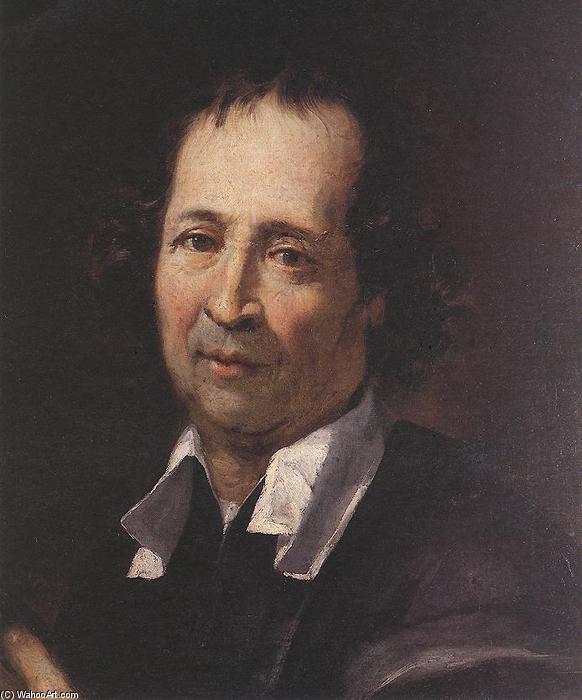
Portretul lui Pierre Puget

Cele 70 cele mai faimoase picturi ale lui Pierre Puget, o selecție de galerie

Actualizat Octombrie 2026 · clasat în funcție de scorul nostru de popularitate (căutări, vizite și comenzi pentru fiecare operă) · 77 lucrări ale lui Pierre Puget în catalogul nostru

Pe scurt

Dintre toate originalele lăsate de Pierre Puget, cea mai faimoasă este The Meeting of Alexander the Great and Diogenes (1671), din colecția Muzeul Luvru, Paris. Imediat după acestea urmează Milo of Croton (1671) și The Meeting of Alexander the Great and Diogenes (1671). Catalogul nostru cuprinde 77 lucrări ale lui Pierre Puget; galeria a păstrat cele 70 pe care lumea le admiră cel mai mult, fiecare fiind prezentată împreună cu data, muzeul și povestea sa.

1620 – 1694, Marsilia Baroque dramatic style Cele mai multe lucrări: Muzeul Luvru

Cele mai importante 10 picturi ale lui Pierre Puget: selecția galeriei

1
The Meeting of Alexander the Great and Diogenes (1671) de Pierre Puget

The Meeting of Alexander the Great and Diogenes

1671 · Marble · Muzeul Luvru, Paris

In the hallowed halls of art history, few encounters possess the dramatic tension found in Pierre Puget’s 1671 masterpiece, The Meeting of Alexander the Great and Diogenes. This monumental sculpture is far more than a mere historical reconstruction; it is a breathtaking theatrical performance frozen in marble. At its heart lies a profound confrontation between two opposing worlds: the boundless, imperial ambition of Alexander the Great and the radical, ascetic…

2
Milo of Croton (1671) de Pierre Puget

Milo of Croton

1671 · Marble · Muzeul Luvru, Paris

In the hallowed halls of the Louvre Museum, one figure commands the space with a visceral, breathtaking intensity that transcends the cold stillness of marble. Pierre Puget’s Milo of Croton is not merely a sculpture; it is a profound psychological drama frozen in time. Completed between 1671 and 1682, this monumental work serves as a cornerstone of the Baroque era, capturing a moment where physical prowess meets unbearable suffering. The…

3
The Meeting of Alexander the Great and Diogenes (1671) de Pierre Puget

The Meeting of Alexander the Great and Diogenes

1671 · Sculpture · Muzeul Luvru, Paris

In the hallowed halls of the Musée du Louvre, there exists a moment frozen in time, a theatrical confrontation that transcends the boundaries of mere sculpture to become a profound meditation on human existence. Pierre Puget’s 1671 masterpiece, The Meeting of Alexander the Great and Diogenes, is not simply a depiction of two historical figures; it is a breathtaking performance captured in alabaster. The work brings us face-to-face with the…

4
Autorportret (1668) de Pierre Puget

Autorportret

1668 · Ulei pe pânză · Muzeul Granet, Aix-en-Provence

Pierre Puget și Autoportretul său – O Simfonie în Lumină și Dramă Pierre Puget (16 octombrie 1620 – 2 decembrie 1694) este un pictor, sculptor, arhitect și inginer francez din perioada Barocului, cunoscut pentru operele sale impresionante care exprimă emoție și dramatism, diferindu-se astfel de sculptura clasică și academică a Stilului Ludovic al XIV-lea. În Marseille, copilăria lui Puget a fost marcată de profesia tatălui său, zidărește, iar cei trei…

5
View on the Sea (1670) de Pierre Puget

View on the Sea

1670 · Acrylic On Canvas · Muzeul Luvru, Paris

Pierre Puget's "View on the Sea," created around 1670, isn’t merely a depiction of three ships navigating a hazy horizon; it’s a meticulously crafted tableau brimming with Baroque drama and an intimate understanding of human scale. Born in Marseille during a period of intense maritime activity, Puget’s life was inextricably linked to the sea – initially as a craftsman shaping the hulls of galleys, later as a celebrated sculptor, architect,…

6
Bust of Young August de Pierre Puget

Bust of Young August

Marmură · Museo di Sant'Agostino, Genova

Descoperirea unei opere de artă sublime: Bustul Tânărului August al lui Pierre Puget În lumea artei renașterii și barocului francez, există câteva sculpturi care rămân fascinante până în prezent. Printre acestea se află bustul tânărului august realizat de Pierre Puget (1620-1694), o capodopera ce surprinde atât măiestria tehnică cât și profunzimea emoțională a unui artist genial. Această operă este mai mult decât o reprezentare fizică; ea este o fereastră către…

7
Hercules Standing (1660) de Pierre Puget

Hercules Standing

1660 · Terracotta · Muzeele Statale din Berlin, Berlin

In Hercules Standing, Pierre Puget presents the legendary hero of Greek mythology through a lens of physical power and controlled movement. Created about 1660, the sculpture focuses on the attributes for which the figure is most recognized: immense strength and prowess. Rather than a static representation, the subject is captured in a dynamic contrapposto pose, where the weight shifts onto one leg while the other remains relaxed, creating a sense…

8
David Gazing at Goliath's Head (1671) de Pierre Puget

David Gazing at Goliath's Head

1671 · Oil · Musée de la civilisation, Quebec City

In this Baroque oil painting from 1671, a youthful, muscular man sits on the left side of the composition. He is draped in heavy blue fabric that falls in deep folds across his lap, where a layer of fur provides a textural contrast to his skin. His body is positioned in a way that emphasizes anatomical detail, particularly in the torso and limbs. To his right, resting upon a rough…

9
Great Vessel of War (1670) de Pierre Puget

Great Vessel of War

1670 · Ink On Paper · Musée Bonnat, Bayonne

The Great Vessel of War emerges from the shadows of history, a detailed illustration that captures a massive 17th-century warship amidst the churning sea. Created by Pierre Puget in 1670, this work presents a moment of maritime power and intricate naval architecture. The ship dominates the view, its complex rigging and heavy wooden hull rendered with a precision that brings the vessel to life. It exists as a silent witness…

10
Two Vessels under Sail (1674) de Pierre Puget

Two Vessels under Sail

1674 · Ink On Paper · Musée Bonnat, Bayonne

A monochrome study of maritime movement, this work captures two sailing vessels navigating a choppy sea. The composition is oriented horizontally, emphasizing the length of the hulls as they cut through the water. A primary ship dominates the central foreground, its rigging and sails rendered with meticulous detail, while a second vessel trails behind to the left. In the lower right corner, a smaller boat with figures provides a sense…

Selecția pentru Pierre Puget continuă, de la 11 la 70

11Perseus and Andromeda (1678) de Pierre PugetPerseus and Andromeda1678 · Muzeul Luvru 12Christ Dying on the Cross de Pierre PugetChrist Dying on the CrossMuzeul Luvru 13La Ravissement d de Pierre PugetLa Ravissement dDetroit Institute of Arts 14Door of the Hôtel de Ville at Toulon (1656) de Pierre PugetDoor of the Hôtel de Ville at Toulon1656 · Musée Navale 15Ship at Marseille (1651) de Pierre PugetShip at Marseille1651 · Musée des Beaux-Arts 16Portrait of the Artist's Mother (1651) de Pierre PugetPortrait of the Artist's Mother1651 · Private collection 17The Visitation (1659) de Pierre PugetThe Visitation1659 · Muzeul Granet 18The Holy Family at the Palm-tree (1662) de Pierre PugetThe Holy Family at the Palm-tree1662 · Private collection 19Navigation before a Promontory (1680) de Pierre PugetNavigation before a Promontory1680 · Musée des Beaux-Arts 20Perseus and Andromeda (1678) de Pierre PugetPerseus and Andromeda1678 · Muzeul Luvru 21Stânuiea Sfântului Petru (1654) de Pierre PugetStânuiea Sfântului Petru1654 · Musée des Beaux-Arts 22Educarea lui Achille de Chiron (1690) de Pierre PugetEducarea lui Achille de Chiron1690 · Musée des Beaux-Arts 23St Sebastian de Pierre PugetSt Sebastian 24Homer de Pierre PugetHomer 25Blessed Alessandro Sauli de Pierre PugetBlessed Alessandro Sauli 26Self portrait Marble de Pierre PugetSelf portrait Marble 27Philosopher de Pierre PugetPhilosopherColecțiile Statale de Pictură din Bavaria 28Immaculate Conception de Pierre PugetImmaculate Conception 29Milon de Crotone detail de Pierre PugetMilon de Crotone detail 30The Rape of Helen of Troy de Pierre PugetThe Rape of Helen of Troy 31Atlas from the door of the Hôtel de Ville at Toulon de Pierre PugetAtlas from the door of the Hôtel de Ville at Toulon 32View of the harbor of Toulon de Pierre PugetView of the harbor of Toulon 33Virgin of the Immaculate Conception de Pierre PugetVirgin of the Immaculate Conception 34Milo of Croton (detail) de Pierre PugetMilo of Croton (detail) 35Assumption of the Virgin de Pierre PugetAssumption of the Virgin 36Design for the decoration of a Warship de Pierre PugetDesign for the decoration of a Warship 37Louis XIV de Pierre PugetLouis XIV 38Hercules at Rest (detail) de Pierre PugetHercules at Rest (detail) 39Le baptême de Clovis de Pierre PugetLe baptême de Clovis 40LE BAPTEME DE CONSTANTIN de Pierre PugetLE BAPTEME DE CONSTANTIN 41LE SOMMEIL DE L'ENFANT JESUS de Pierre PugetLE SOMMEIL DE L'ENFANT JESUS 42LA VIERGE APPRENANT A LIRE A L'ENFANT JESUS de Pierre PugetLA VIERGE APPRENANT A LIRE A L'ENFANT JESUS 43Milo of Croton de Pierre PugetMilo of Croton 44View of a port with a facade and a trophy of arms de Pierre PugetView of a port with a facade and a trophy of arms 45Galley and two ships sailing on de Pierre PugetGalley and two ships sailing on 46Cannon fire at the port of Antibes de Pierre PugetCannon fire at the port of Antibes 47A Frigate at Sea de Pierre PugetA Frigate at SeaHet Scheepvaartmuseum 48Design for a Tabernacle de Pierre PugetDesign for a Tabernacle 49Hercules at Rest (1661) de Pierre PugetHercules at Rest1661 · Muzeul Luvru 50Mediterranean Port with Men o' War de Pierre PugetMediterranean Port with Men o' WarGovernment Art Collection 51Arm de Pierre PugetArm 52Virgin and Child de Pierre PugetVirgin and Child 53Vessel Firing a Salvo de Pierre PugetVessel Firing a Salvo 54Sea view de Pierre PugetSea view 55Alessandro Sauli de Pierre PugetAlessandro Sauli 56A big storm on the sea de Pierre PugetA big storm on the sea 57The Sacrifice of Noah de Pierre PugetThe Sacrifice of Noah 58St Peter Holding the Key of the Paradise de Pierre PugetSt Peter Holding the Key of the Paradise 59The faun terracotta de Pierre PugetThe faun terracotta 60Hercules at Rest de Pierre PugetHercules at Rest 61Three vessels with the brands of their dignity de Pierre PugetThree vessels with the brands of their dignity 62The Faun (detail) de Pierre PugetThe Faun (detail)Musée des Beaux-Arts 63Door of the Hôtel de Ville at Toulon de Pierre PugetDoor of the Hôtel de Ville at Toulon 64Salvator Mundi de Pierre PugetSalvator Mundi 65The Visitation (detail) de Pierre PugetThe Visitation (detail) 66The Faun de Pierre PugetThe FaunMusée des Beaux-Arts 67Self-portrait in Old Age de Pierre PugetSelf-portrait in Old Age 68Study of a Horse de Pierre PugetStudy of a HorseMusée des Beaux-Arts 69Virgin Giving the Scapular to St Simon Stock de Pierre PugetVirgin Giving the Scapular to St Simon StockMusée des Beaux-Arts 70Bust of Marcus Aurelius de Pierre PugetBust of Marcus AureliusMuseo di Sant'Agostino

Piesele celebre ale lui Pierre Puget, perioadă cu perioadă

Subiectele care i-au captivat privirea lui Pierre Puget

Cele patru teme care revin cel mai des în aceste opere originale, fiecare având cel mai sublim exemplu.

Muzeele care păstrează originalele lui Pierre Puget

Cele 8 muzee care dețin cele mai multe dintre picturile de pe această pagină.

Muzee Oraș Lucrări lui Pierre Puget Picturi din această listă
Muzeul Luvru, ParisMuzeul Luvru Paris 8 The Meeting of Alexander the Great and Diogenes, Milo of Croton, The Meeting of Alexander the Great and Diogenes
Musée des Beaux-Arts, MarsiliaMusée des Beaux-Arts Marsilia 7 Ship at Marseille, Stânuiea Sfântului Petru, Educarea lui Achille de Chiron
Muzeul Granet, Aix-en-ProvenceMuzeul Granet Aix-en-Provence 2 Autorportret, The Visitation
Museo di Sant'Agostino, GenovaMuseo di Sant'Agostino Genova 2 Bust of Young August, Bust of Marcus Aurelius
Musée Bonnat, BayonneMusée Bonnat Bayonne 2 Great Vessel of War, Two Vessels under Sail
Muzeele Statale din Berlin, BerlinMuzeele Statale din Berlin Berlin 1 Hercules Standing
Musée de la civilisation, Quebec CityMusée de la civilisation Quebec City 1 David Gazing at Goliath's Head
Detroit Institute of Arts, DetroitDetroit Institute of Arts Detroit 1 La Ravissement d

Pierre Puget deceniu cu deceniu: originalul care definește fiecare

Lucrări pe deceniu

Alege o deceniu pentru a descoperi opera originală care îl definește.

Întrebări ale colecționarilor despre picturile lui Pierre Puget

Pentru ce operă este cel mai cunoscut Pierre Puget?Află răspunsul

The Meeting of Alexander the Great and Diogenes (1671), Muzeul Luvru, Paris. Urmează Milo of Croton (1671) și The Meeting of Alexander the Great and Diogenes (1671).

Ce vârstă avea Pierre Puget când a fost creată The Meeting of Alexander the Great and Diogenes?Află răspunsul

51 ani: The Meeting of Alexander the Great and Diogenes datează din 1671, iar Pierre Puget s-a născut în 1620.

Care sunt cele mai celebre zece picturi ale lui Pierre Puget?Află răspunsul

The Meeting of Alexander the Great and Diogenes, Milo of Croton, The Meeting of Alexander the Great and Diogenes, Autorportret, View on the Sea, Bust of Young August, Hercules Standing, David Gazing at Goliath's Head, Great Vessel of War și Two Vessels under Sail. Clasamentul de mai sus indică anul și muzeul pentru fiecare piesă.

Câte picturi a lăsat Pierre Puget?Află răspunsul

Catalogul nostru cuprinde 77 lucrări ale lui Pierre Puget, datate între 1651 și 1690.

În ce muzee sunt expuse capodoperele lui Pierre Puget?Află răspunsul

În principal în Muzeul Luvru (Paris), Musée des Beaux-Arts (Marsilia) și Muzeul Granet (Aix-en-Provence). Tabelul cu muzee de mai sus le enumeră pe toate.

În ce ani a pictat Pierre Puget cele mai cunoscute opere?Află răspunsul

În 1670s: 9 dintre cele 70 lucrări de pe această pagină au fost realizate atunci, fiind The Meeting of Alexander the Great and Diogenes dintre acestea.

Care sunt prima și ultima pictură originală celebră a lui Pierre Puget?Află răspunsul

Pe această pagină, cea mai veche lucrare datează din Ship at Marseille (1651), iar cea mai recentă este din Educarea lui Achille de Chiron (1690).

Ce subiecte a ales cel mai des Pierre Puget?Află răspunsul

Sculpture (7), Classical art (5) și Mythology (5), din cele 70 lucrări de pe această pagină.

Ce tehnică a folosit cel mai des Pierre Puget?Află răspunsul

Marble, pentru 5 dintre cele 70 lucrări de pe această pagină.

Din ce mișcare artistică face parte Pierre Puget?Află răspunsul

Baroque dramatic style, judecând după originalele de pe această pagină.

Ce lucrări ale lui Pierre Puget sunt expuse la Muzeul Luvru?Află răspunsul

The Meeting of Alexander the Great and Diogenes, Milo of Croton și The Meeting of Alexander the Great and Diogenes: Muzeul Luvru, Paris deține 8 dintre lucrările de pe această pagină.

Pierre Puget: viață și operă

Pierre Puget: O viață între artă și inginerie

  • Naștere: Marsilia, Franța (1620)
  • Deces: 1694

Primii ani și influențele italiene

  • Ucenicia: Cariera lui Puget a început la vârsta de paisprezece ani, când sculpta ornamente pentru galerele construite în Marsilia. Această expunere timpurie la măiestria meșteșugului a pus bazele următoarelor sale pasiuni artistice.
  • Călătoria în Italia (1640): În căutarea unor noi oportunități, a călătorit în Italia, vizitând inițial Livorno și apoi Florența, unde și-a perfecționat abilitățile de sculptor în lemn și pictor.
  • Roma și Pietro da Cortona: Un moment decisiv a fost acela în care a fost luat sub aripa lui Pietro da Cortona la Roma. Puget a asistat la pictarea tavanelor elaborate de la Palazzo Barberini și Palazzo Pitti, absorbind dinamismul și măreția artei baroce romane.
  • Întoarcerea în Marsilia (1643): După trei ani petrecuți în Italia, s-a întors în Marsilia, purtând cu sine o sensibilitate artistică rafinată, modelată de maeștrii italieni.

Lucrări majore și evoluția artistică

  • Primele comenzi: La întoarcerea sa, Puget a primit comenzi pentru tablouri și altare, demonstrând un stil în continuă evoluție, influențat de Annibale Carracci și Rubens.
  • Breakthrough-uri sculpturale: S-a concentrat tot mai mult pe sculptură, creând lucrări precum medalioanele pentru pupa navelor de război franceze, oferind dovadă a unei stăpâniri tot mai mari a formei și detaliului.
  • \\
  • Vaux-le-Vicomte (anii 1660): Nicolas Fouquet l-a însărcinat pe Puget să sculpteze o statuie a lui Hercule pentru castelul său de la Vaux-le-Vicomte, un moment semnificativ în cariera sa care a demonstrat protecția oferită de figuri puternice ale vremii.
  • Perioada genoveză: În urma căderii lui Fouquet, Puget s-a mutat la Genova, unde a creat opere remarcabile, precum „Hercule Gaulois” (care se află acum la Louvre) și sculpturi pentru biserici precum Santa Maria di Carignano.
  • Comenzile de la Versailles: Colbert l-a adus pe Puget înapoi în Franța, ducând la comenzi pentru Versailles, inclusiv grupurile celebre „Milo de Croton” și „Perseus și Andromeda”. Aceste lucrări sunt caracterizate prin intensitatea lor dramatică și realismul expresiv.

Stil și influențe

  • Drama Barocă: Stilul lui Puget este profund înrădăcinat în tradiția barocă, punând accent pe mișcare, emoție și teatralitate.
  • Inspirația clasică: Deși îmbrățișa dinamismul baroc, opera sa dezvăluie și o apreciere pentru formele și idealurile clasice.
  • Michelangelo și Bernini: Sculpturile sale prezintă influențe de la figurile puternice ale lui Michelangelo și compozițiile dinamice ale lui Bernini.
  • Expresie unică: În ciuda acestor influențe, Puget a dezvoltat un stil distinctiv, marcat de o energie brută și o intensitate expresivă, care l-a separat de alți artiști baroci mai convenționali.

Moștenire și semnificație istorică

  • Punte între artă și inginerie: Capacitatea lui Puget de a îmbina fără efort talentul artistic cu abilitățile de inginerie a fost unică. Munca sa în arhitectura navală și fortificații demonstrează o ingeniozitate practică alături de realizările sale artistice.
  • Un geniu tormentat: Théophile Gautier l-a descris faimos drept „împăratul melancolic al condamnaților”, reflectând intensitatea și, probabil, luptele inerente procesului său creativ.
  • Impact durabil: Sculpturile lui Puget, în special „Milo de Croton” și „Perseus și Andromeda”, rămân exemple iconice ale sculpturii baroce franceze, admirate pentru puterea lor expresivă și virtuozitatea tehnică.
  • Recunoaștere astăzi: Opera sa este celebrată în muzee din întreaga lume, inclusiv în Louvre și Musée des Beaux-Arts de Marseille, consolidându-i locul de figură semnificativă în istoria artei.