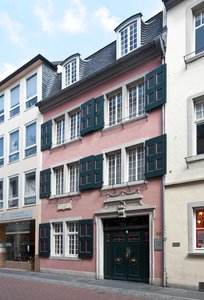
Portretul lui Ludwig Van Beethoven

Cele 30 cele mai faimoase picturi ale lui Ludwig Van Beethoven, fiecare unică în felul ei

Actualizat Noiembrie 2026 · clasat în funcție de scorul nostru de popularitate (căutări, vizite și comenzi pentru fiecare operă) · 30 lucrări ale lui Ludwig Van Beethoven în catalogul nostru

Pe scurt

Sonate für Klavier und Violoncello (A-Dur) op. 69 (1809) este pictura lui Ludwig Van Beethoven care atrage cele mai multe priviri; originalul aparține Beethoven-Haus Bonn, Bonn. După aceasta, privirea se îndreaptă către Sonata for piano (A major) op. 101 (1816) și Letter to Nannette Streicher (1817). Dintre cele 30 opere ale lui Ludwig Van Beethoven din catalogul nostru, acestea 30 sunt cele mai celebre, fiecare fiind o piesă unică, prezentată împreună cu anul creării, muzeul deținător și motivul pentru care aceasta rămâne memorabilă.

1770 – 1827, Bonn Romanticism Cele mai multe lucrări: Beethoven-Haus Bonn

Cele mai importante 10 picturi ale lui Ludwig Van Beethoven, prin ochii galeriei

1
Sonate für Klavier und Violoncello (A-Dur) op. 69 (1809) de Ludwig Van Beethoven

Sonate für Klavier und Violoncello (A-Dur) op. 69

1809 · Lithograph · Beethoven-Haus Bonn, Bonn

To gaze upon this depiction of Sonate für Klavier und Violoncello (A-Dur) op. 69 is to step directly into the vibrant, intellectual atmosphere of early nineteenth-century Vienna. This work transcends mere portraiture; it captures a moment suspended in time—a confluence of artistic genius and profound musical dialogue. The scene itself, rendered with an almost luminous quality, places us before two figures deeply engrossed in their craft. One musician, perhaps embodying…

2
Sonata for piano (A major) op. 101 (1816) de Ludwig Van Beethoven

Sonata for piano (A major) op. 101

1816 · Acrylic On Canvas · Beethoven-Haus Bonn, Bonn

Beethoven's Sonata for Piano in A major, Op. 101, isn’t merely a musical composition; it’s a profound exploration of the human spirit grappling with darkness and striving towards light. Completed in 1816, during a period marked by increasing deafness and personal turmoil, this work stands as a testament to his enduring genius – a beacon of hope amidst a storm.

3
Letter to Nannette Streicher (1817) de Ludwig Van Beethoven

Letter to Nannette Streicher

1817 · Acrylic On Paper · Beethoven-Haus Bonn, Bonn

WahooArt.com presents a meticulously crafted hand-painted reproduction of “Letter to Nannette Streicher,” a poignant relic from the twilight years of Ludwig van Beethoven's life. This isn't merely an image; it’s a tangible connection to one of history’s most tormented and brilliant musical minds. The original letter, penned in 1817, offers a rare glimpse into the composer’s personal world – a world increasingly shrouded by deafness and profound emotional struggle. The…

4
Quartet for 2 violins, viola, violoncello (B flat major) op. 130 (1827) de Ludwig Van Beethoven

Quartet for 2 violins, viola, violoncello (B flat major) op. 130

1827 · Acrylic On Canvas · Beethoven-Haus Bonn, Bonn

Elegant Reflection of Classical Heritage This exquisite vintage sheet music cover embodies the timeless elegance of early 19th-century musical artistry. Designed for Beethoven’s renowned Quartet in B-flat major, Op. 130, it captures the grandeur and sophistication associated with classical music’s golden age. The intricate line work, ornate typography, and decorative motifs evoke a sense of nobility and artistic prestige, making it a captivating piece for collectors and interior decorators alike.…

5
Deafness letter (1801) de Ludwig Van Beethoven

Deafness letter

1801 · Manuscript · Beethoven-Haus Bonn, Bonn

In the quiet intimacy of a single sheet of paper, we find one of the most profound intersections of human suffering and artistic resilience. The Deafness Letter, penned by Ludwig van Beethoven in 1801, is far more than a mere historical artifact; it is a visceral, handwritten fragment of a soul in crisis. This piece captures the moment when the composer, facing the terrifying onset of auditory loss, reached out…

6
Sonata for piano and violoncello (A major) op. 69, 1st movement (1808) de Ludwig Van Beethoven

Sonata for piano and violoncello (A major) op. 69, 1st movement

1808 · Painting · Beethoven-Haus Bonn, Bonn

A Symphony of Light and Shadow In the heart of 1808 Vienna, a city vibrating with artistic tension and intellectual fervor, this evocative painting captures more than just a musical moment; it captures the very essence of Ludwig van Beethoven’s spirit. As the composer navigated the encroaching silence of his deafness, his music—and this visual tribute to his Sonata for Piano and Violoncello in A major—became a vital bridge between…

7
Sonata for piano and violin (A major) op. 47, 1st movement (1803) de Ludwig Van Beethoven

Sonata for piano and violin (A major) op. 47, 1st movement

1803 · Acrylic On Canvas · Beethoven-Haus Bonn, Bonn

Ludwig van Beethoven's "Sonata for Piano and Violin in A major, Op. 47," often known as the “Kreutzer Sonata,” isn’t merely a musical composition; it’s a visceral experience, a window into the turbulent soul of one of history’s most transformative composers. Completed in 1803 during a period of intense personal and professional upheaval for Beethoven – marked by increasing deafness and shifting patronage – this sonata stands as a testament…

8
Sketchbook (1823) de Ludwig Van Beethoven

Sketchbook

1823 · Pencil · Beethoven-Haus Bonn, Bonn

To gaze upon this 1823 sketchbook fragment is to step directly into the private sanctuary of a musical genius. This piece, a delicate relic from the twilight years of Ludwig van Beethoven, transcends mere notation; it is a tactile window into the creative struggle and the profound solitude of one of history's most transformative minds. The aged, worn paper, bearing the weight of nearly two centuries, serves as a silent…

9
Letter to Nephew Karl (1825) de Ludwig Van Beethoven

Letter to Nephew Karl

1825 · Giclée Print · Beethoven-Haus Bonn, Bonn

This exquisite hand-painted reproduction captures a poignant moment in the life of Ludwig van Beethoven – a direct correspondence with his nephew, Karl, penned in 1825. More than just a letter, it’s a tangible link to a musical genius grappling with both artistic ambition and personal vulnerability. The photograph itself, a meticulously rendered black-and-white image, reveals the delicate script of the handwritten document, a testament to Beethoven's enduring skill as…

10
Quartet for two violins, viola and cello (A minor) op. 132 (1825) de Ludwig Van Beethoven

Quartet for two violins, viola and cello (A minor) op. 132

1825 · Acrylic On Canvas · Beethoven-Haus Bonn, Bonn

Ludwig van Beethoven's String Quartet No. 15 in A minor, Op. 132, stands as a profound testament to the composer’s evolving inner world during his late period—a time marked by increasing deafness and an intense grappling with mortality, faith, and the very nature of artistic expression. Completed in 1825, just months before his death, this quartet isn't merely a collection of musical notes; it’s a deeply personal narrative etched into…

Păiți celebrele picturi ale lui Ludwig Van Beethoven, de la numărul 11 la 30

Piesele celebre ale lui Ludwig Van Beethoven, perioadă cu perioadă

Subiectele care i-au captivat privirea lui Ludwig Van Beethoven

Cele patru teme care revin cel mai des în aceste opere originale, fiecare având cel mai sublim exemplu.

Muzeele care păstrează originalele lui Ludwig Van Beethoven

Muzeul care deține cele mai multe dintre picturile prezentate pe această pagină.

Muzee Oraș Lucrări lui Ludwig Van Beethoven Picturi din această listă
Beethoven-Haus Bonn, BonnBeethoven-Haus Bonn Bonn 30 Sonate für Klavier und Violoncello (A-Dur) op. 69, Sonata for piano (A major) op. 101, Letter to Nannette Streicher

Ludwig Van Beethoven de-a lungul deceniilor: o piesă unică pentru fiecare

Lucrări pe deceniu

Alege o deceniu pentru a descoperi opera originală care îl definește.

Picturile lui Ludwig Van Beethoven: întrebări pentru galerie

Care este cea mai celebră operă a lui Ludwig Van Beethoven?Află răspunsul

Sonate für Klavier und Violoncello (A-Dur) op. 69 (1809), Beethoven-Haus Bonn, Bonn. Urmează Sonata for piano (A major) op. 101 (1816) și Letter to Nannette Streicher (1817).

La ce vârstă a creat Ludwig Van Beethoven Sonate für Klavier und Violoncello (A-Dur) op. 69?Află răspunsul

39 ani: Sonate für Klavier und Violoncello (A-Dur) op. 69 datează din 1809, iar Ludwig Van Beethoven s-a născut în 1770.

Care sunt cele mai celebre zece picturi ale lui Ludwig Van Beethoven?Află răspunsul

Sonate für Klavier und Violoncello (A-Dur) op. 69, Sonata for piano (A major) op. 101, Letter to Nannette Streicher, Quartet for 2 violins, viola, violoncello (B flat major) op. 130, Deafness letter, Sonata for piano and violoncello (A major) op. 69, 1st movement, Sonata for piano and violin (A major) op. 47, 1st movement, Sketchbook, Letter to Nephew Karl și Quartet for two violins, viola and cello (A minor) op. 132. Clasamentul de mai sus indică anul și muzeul pentru fiecare piesă.

Câte lucrări ale lui Ludwig Van Beethoven sunt cunoscute?Află răspunsul

Catalogul nostru cuprinde 30 lucrări ale lui Ludwig Van Beethoven, datate între 1790 și 1827.

Unde pot fi vizualizate originalele celor mai faimoși Ludwig Van Beethoven?Află răspunsul

În principal în Beethoven-Haus Bonn (Bonn). Tabelul cu muzee de mai sus le enumeră pe toate.

În ce perioadă a creat Ludwig Van Beethoven cele mai cunoscute picturi?Află răspunsul

În 1800s: 11 dintre cele 30 lucrări de pe această pagină au fost realizate atunci, fiind Sonate für Klavier und Violoncello (A-Dur) op. 69 dintre acestea.

Care este cea mai veche și care este cea mai recentă pictură a lui Ludwig Van Beethoven?Află răspunsul

Pe această pagină, cea mai veche lucrare datează din Three sonatas for piano (E flat major, F minor, D major) WoO 47 (1790), iar cea mai recentă este din Quartet for 2 violins, viola, violoncello (B flat major) op. 130 (1827).

Ce teme prefera Ludwig Van Beethoven?Află răspunsul

Music (9), Classical music (9) și Classical (7), din cele 30 lucrări de pe această pagină.

Cu ce materiale a pictat cel mai des Ludwig Van Beethoven?Află răspunsul

Acrylic On Canvas, pentru 14 dintre cele 30 lucrări de pe această pagină.

Din ce curent artistic face parte opera lui Ludwig Van Beethoven?Află răspunsul

Romanticism, judecând după originalele de pe această pagină.

Ce originale de Ludwig Van Beethoven pot vedea la Beethoven-Haus Bonn?Află răspunsul

Sonate für Klavier und Violoncello (A-Dur) op. 69, Sonata for piano (A major) op. 101 și Letter to Nannette Streicher: Beethoven-Haus Bonn, Bonn deține 30 dintre lucrările de pe această pagină.

Ludwig Van Beethoven: un portret al artistului

primii ani și începuturile muzicale

ludwig van beethoven, un compozitor și pianist german de renume, s-a născut în bonn, germania, în anul 1770. Afișându-și talentul muzical încă de la o vârstă fragedă, a început să studieze muzica sub îndrumarea unor diverși maeștri înainte de a se muta la vienna, locul unde și-ar va petrece cea mai mare parte a vieții.

inovații muzicale și surditatea

în ciuda faptului că s-a confruntat cu surditatea în cea mai mare parte a carierei sale, beethoven a continuat să compună unele dintre cele mai iconice piese din muzica clasică, inclusiv simfonia nr. 9 și sonata moonlight. Compozițiile sale inovatoare au împletit voci și instrumente, creând un sunet unic care a influențat numărosi muzicieni de-a lungul secolelor.

lucrări cheie și moștenire

unele dintre cele mai notabile opere ale lui beethoven includ:

influență și reputație

cea mai mare realizare a lui beethoven a fost ridicarea muzicii instrumentale, până atunci considerată inferioară celei vocale, la cel mai înalt nivel al artei. Influența sa asupra muzicii clasice este nemăsurabilă, operele sale fiind printre cele mai interpretate din repertoriu. explorează mai multe din opera lui beethoven la OriginalUniqueArt.com: ludwig van beethoven | 30 de opere de artă află mai multe despre viața și muzica lui beethoven pe wikipedia: ludwig van beethoven - wikipedia