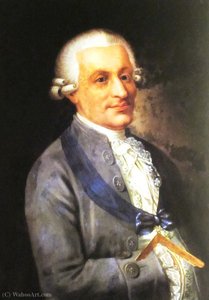
Portretul lui Georg David Matthieu

Cele 19 cele mai faimoase picturi ale lui Georg David Matthieu, fiecare unică în felul ei

Actualizat Octombrie 2026 · clasat în funcție de scorul nostru de popularitate (căutări, vizite și comenzi pentru fiecare operă) · 21 lucrări ale lui Georg David Matthieu în catalogul nostru

Pe scurt

Portrait of Charlotte of Mecklenburg-Strelitz (1762) este pictura lui Georg David Matthieu care atrage cele mai multe priviri; originalul aparține National Portrait Gallery of Sweden, Strängnäs. După aceasta, privirea se îndreaptă către Joachim Ulrich Giese (1762) și Portrait of a man in armour. Dintre cele 21 opere ale lui Georg David Matthieu din catalogul nostru, acestea 19 sunt cele mai celebre, fiecare fiind o piesă unică, prezentată împreună cu anul creării, muzeul deținător și motivul pentru care aceasta rămâne memorabilă.

1737 – 1778, Berlin Rococo Cele mai multe lucrări: Muzeele Statale din Berlin

Cele mai importante 10 picturi ale lui Georg David Matthieu, prin ochii galeriei

1
Portrait of Charlotte of Mecklenburg-Strelitz (1762) de Georg David Matthieu

Portrait of Charlotte of Mecklenburg-Strelitz

1762 · Oil On Canvas · National Portrait Gallery of Sweden, Strängnäs

In this 1762 oil on canvas, Georg David Matthieu presents a formal portrait of Charlotte of Mecklenburg-Strelitz. The subject, known as Queen Charlotta or Sofia Charlotta, held the titles of Princess of Mecklenburg-Strelitz and Queen of England. Matthieu, a German painter who served as a court painter, captures her presence with a focus on the dignity inherent to her station. The work is signed GD, Matthieu.

2
Joachim Ulrich Giese (1762) de Georg David Matthieu

Joachim Ulrich Giese

1762 · Oil On Canvas · Muzeele Statale din Berlin, Berlin

To gaze upon this portrait of Joachim Ulrich Giese is to step directly into the gilded salons of 18th-century Berlin. Painted in 1762 by Georg David Matthieu, the work transcends a mere likeness; it is a carefully constructed tableau of intellectual refinement and aristocratic grace. The very air surrounding the subject seems imbued with the delicate exuberance characteristic of the Rococo period. Everything about the composition whispers of an era…

5
The Wife of Joachim Ulrich Giese (1762) de Georg David Matthieu

The Wife of Joachim Ulrich Giese

1762 · Oil On Canvas · Muzeele Statale din Berlin, Berlin

Georg David Matthieu’s “The Wife of Joachim Ulrich Giese,” painted in 1762, is more than just a portrait; it's a meticulously crafted tableau of Rococo elegance and subtle psychological depth. Created during the height of Matthieu’s career – a period marked by his association with influential figures like Jakob Philipp Hackert and his service as court painter for the Duke of Mecklenburg – this work offers a captivating glimpse into…

Păiți celebrele picturi ale lui Georg David Matthieu, de la numărul 11 la 19

Subiectele care i-au captivat privirea lui Georg David Matthieu

Cele patru teme care revin cel mai des în aceste opere originale, fiecare având cel mai sublim exemplu.

Muzeele care păstrează originalele lui Georg David Matthieu

Cele 3 muzee care dețin cele mai multe dintre picturile de pe această pagină.

Muzee Oraș Lucrări lui Georg David Matthieu Picturi din această listă
Muzeele Statale din Berlin, BerlinMuzeele Statale din Berlin Berlin 2 Joachim Ulrich Giese, The Wife of Joachim Ulrich Giese
National Portrait Gallery of Sweden, SträngnäsNational Portrait Gallery of Sweden Strängnäs 1 Portrait of Charlotte of Mecklenburg-Strelitz
Muzeul Național din Varșovia, VarșoviaMuzeul Național din Varșovia Varșovia 1 Portrait of a man in armour

Georg David Matthieu de-a lungul anilor: originalele unice ale fiecăruia

Toate originalele datate ale lui Georg David Matthieu prezentate aici aparțin unui singur an, 1762: acestea sunt prezentate în ordinea celebrității.

Lucrări pe an

Alege un an pentru a vedea originalele acestuia.

Picturile lui Georg David Matthieu: întrebări pentru galerie

Care este cea mai celebră operă a lui Georg David Matthieu?Află răspunsul

Portrait of Charlotte of Mecklenburg-Strelitz (1762), National Portrait Gallery of Sweden, Strängnäs. Urmează Joachim Ulrich Giese (1762) și Portrait of a man in armour.

La ce vârstă a creat Georg David Matthieu Portrait of Charlotte of Mecklenburg-Strelitz?Află răspunsul

25 ani: Portrait of Charlotte of Mecklenburg-Strelitz datează din 1762, iar Georg David Matthieu s-a născut în 1737.

Care sunt cele mai celebre zece picturi ale lui Georg David Matthieu?Află răspunsul

Portrait of Charlotte of Mecklenburg-Strelitz, Joachim Ulrich Giese, Portrait of a man in armour, Portrait of Amelie of Mecklenburg-Schwerin, The Wife of Joachim Ulrich Giese, Friedrich der Fromme, Portrait of Grand-duke Friedrich Franz I of Mecklenburg-Schwerin and his tutor, Portrait of duchess Ulrike Sophie of Mecklenburg, Louise Friderike of Württemberg și Portrait johann carl dähnert. Clasamentul de mai sus indică anul și muzeul pentru fiecare piesă.

Câte lucrări ale lui Georg David Matthieu sunt cunoscute?Află răspunsul

Catalogul nostru conține 21 lucrări ale lui Georg David Matthieu.

Unde pot fi vizualizate originalele celor mai faimoși Georg David Matthieu?Află răspunsul

În principal în Muzeele Statale din Berlin (Berlin), National Portrait Gallery of Sweden (Strängnäs) și Muzeul Național din Varșovia (Varșovia). Tabelul cu muzee de mai sus le enumeră pe toate.

În ce perioadă a creat Georg David Matthieu cele mai cunoscute picturi?Află răspunsul

În 1762: 3 dintre cele 19 lucrări de pe această pagină au fost realizate atunci, fiind Portrait of Charlotte of Mecklenburg-Strelitz dintre acestea.

Ce teme prefera Georg David Matthieu?Află răspunsul

Portraits (6), Royalty (4) și Woman (2), din cele 19 lucrări de pe această pagină.

Cu ce materiale a pictat cel mai des Georg David Matthieu?Află răspunsul

Oil On Canvas, pentru 3 dintre cele 19 lucrări de pe această pagină.

Din ce curent artistic face parte opera lui Georg David Matthieu?Află răspunsul

Rococo, judecând după originalele de pe această pagină.

Ce originale de Georg David Matthieu pot vedea la Muzeele Statale din Berlin?Află răspunsul

Joachim Ulrich Giese și The Wife of Joachim Ulrich Giese: Muzeele Statale din Berlin, Berlin deține 2 dintre lucrările de pe această pagină.

Georg David Matthieu: un portret al artistului

A Lineage of Courtly Brushes

Berlin, 1737. The air in the studio of David Matthieu carries the scent of oil and pigment, a workspace where Georg David Matthieu begins his life within a family of established artists. He does not merely observe the craft; he breathes it through a lineage that connects him to the Prussian court. His father, David, holds the position of court painter in Prussia, providing a foundation of technical rigor. This connection extends through his stepmother, Anna Rosina, linking Georg to the influential Georg Lisiewski and the talented Anna Dorothea Therbusch.

The training is intimate and rigorous. He learns the precision required for engraving and the delicate touch needed for portraiture under his father's direct gaze. This early immersion in the mechanics of light and shadow prepares him for a life defined by the demands of the aristocracy. His path is not one of solitary wandering but of professional continuity, moving through the established circles of German and Swedish nobility.

The Mecklenburg Appointment

A shift occurs in 1764. Following his work on a portrait of Queen Sophie Charlotte, Georg David Matthieu secures a position that alters his social and professional standing: court painter to the Duke of Mecklenburg-Schwerin. He moves into an apartment within the newly built Ludwigslust Palace. The transition from a student of the Prussian tradition to a resident of the ducal court brings a new set of responsibilities and a specific aesthetic demand.

Life at the court follows a strict hierarchy. As a painter ranked 20th out of 24, his existence is governed by the system established by Duke Friedrich William. His compensation is fixed—250 Reichstalers annually, supplemented by free food and housing for his family. He spends his days documenting the ducal family and their relatives, capturing the physical presence of the Mecklenburg-Schwerin line. The work is constant. He is on call, tasked with projecting the dignity of the house through the Rococo style.

Technique and the Rococo Eye

The portraits produced during this period focus on the material reality of the 18th-century elite. In works such as the portrait of Joachim Ulrich Giese, the emphasis lies on texture and social signifiers. A red velvet coat is rendered with a weight that contrasts against white lace cuffs. The light does not merely illuminate; it sculpts figures from the surrounding darkness, providing a sense of three-dimensionality to the subjects.

Matthieu utilizes specific elements to communicate status:

  • The inclusion of books and maps to suggest intellectual pursuit and territorial dominion.
  • Detailed renderings of silk, lace, and embroidery to signal wealth.
  • Careful compositions involving plush couches, vases, and fine papers to establish an opulent interior setting.

His friendship with Jakob Philipp Hackert likely brings broader European influences into his practice, particularly through shared study trips to Italy. This exposure refines his ability to handle color schemes and the delicate exuberance of the Rococo period. Even in smaller works, such as his drawings in black and red chalk or blue pastel, the precision of his hand remains evident. He dies in 1778, leaving behind a body of work that remains housed in the collections of the Staatliches Museum Schwerin, the Gemäldegalerie Berlin, and The Metropolitan Museum of Art.