


1


Actualizat Octombrie 2026 · clasat în funcție de scorul nostru de popularitate (căutări, vizite și comenzi pentru fiecare operă) · 413 lucrări ale lui Duncan Grant în catalogul nostru
Pe scurt
Dintre toate originalele lăsate de Duncan Grant, cea mai faimoasă este Still Life, Asheham House. Imediat după acestea urmează Vanessa Bell in a Red Headscarf (1917) și Composition with Two Women, A Boy with Basket and Three Men (one an Old Jew) (1910). Catalogul nostru cuprinde 413 lucrări ale lui Duncan Grant; galeria a păstrat cele 100 pe care lumea le admiră cel mai mult, fiecare fiind prezentată împreună cu data, muzeul și povestea sa.


 Still Life With A Plate, Small Vase, Apples And A Glass
12
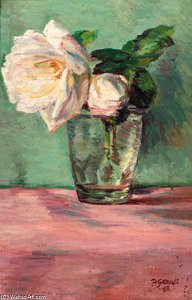 White Roses
13
 Reclining Nude -
14
 Haystacks
15
 Lytton Strachey
16
 Still Life With Red Dahlias
17
 Seated Male Nude -
18
 Lydia Lopokova
19
 Seated Male Nude
20
 Standing Woman -
21
 Angus davidson asleep
22
 Standing Draped Nude
23
 Dancing Figure
24
 Angelica Painting
25
 Self Portrait -
26
 Helen Anrep
27
 Twickenham
28
 Lemon Gatherers
29
 Police Constable Harry Daley
30
 Two figures on a beach
31
 Wrestlers
32
 The Sofa
33
 Madonna And Child
34
 Julian Bell Reading
35
 Portrait Of Ellen Terry
36
 Tony Haines
37
 Bathing
38
 Portrait Of A Lady
39
 Girl Reading In A Garden
40
 Still Life With A Bust Of Vanessa Bell
41
 The Queen Of Sheba
42
 Commedia Dell'arte Scene
43
 The Descent From The Cross
44
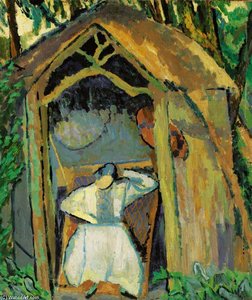 Katherine Cox In Rupert Brooke's Garden, The Old Vicarage, Grantchester
45
 Woman Sewing
46
 Farmyard Buildings At Charleston, Sussex
47
 Landscape1913
48
 Woman Sewing (possibly Mary 'Molly' McCarthy [1882-1953])1916 · Fenton House
49
 The Coffee Pot1916 · Metropolitan Museum of Art
50
 The Coffee Pot1916
51
 Landscape with Bridge1921 · The Phillips Collection
52
 View of the Backs, Cambridge1924 · National Gallery of Canada
53
 Market Day1925 · National Gallery of Canada
54
 Monk's House Garden and St Peter's Church, Rodmell1923 · Monk's House
55
 Miss Mary Coss1931 · Fitzwilliam Museum
56
 A Sussex Farm1936 · Muzeul de Artă din Toledo
57
 Mediterranean Scene with Olive Trees and Figures by the Sea1941 · Coleton Fishacre
58
 Artist's Study at Charleston1967
59
 Design for Lilypond Table1913
60
 Waterloo Bridge, LondonMuzeul de Artă Plastică din Boston
61
 Nude Resting
62
 View Of The Zattere, Venice
63
 Portrait Of Paul Roche
64
 Figure
65
 Venice, Early Morning
66
 Standing Male Nude -
67
 Standing Woman
68
 Head And Torso Study
69
 Sleeping Angel
70
 Lovers Entwined
71
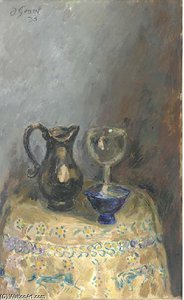 Still Life With Embroided Table Cloth
72
 Ethel Grant
73
 Actors Rehearsing
74
 Vanessa Bell's Monkey
75
 The Acrobats
76
 Still Life With Bottles
77
 The Guidecca, Venice
78
 Seated Nude -
79
 Bathers -
80
 Standing Male Nude
81
 Carpet Design
82
 St.Ives Huntingdon
83
 Sketch For 'the Queen Mary'
84
 Composition
85
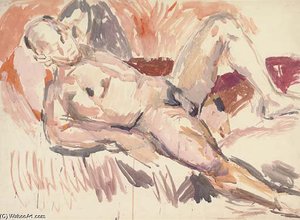 Reclining Nude, Paul Roche
86
 Firle Place Design
87
 At The Ballet
88
 Self Portrait -
89
 Adrian Stephen
90
 Rotherhithe, London
91
 Paul Roche From Behind On A Stool
92
 The red pillow
93
 Rug Design, Composition
94
 The Washerwomen
95
 Lovers In A Hammock
96
 Boy With Guitar
97
 Tulips -
98
 Arcadian Scene
99
 Woodland
100
 Adam And Eve
Cele patru teme care revin cel mai des în aceste opere originale, fiecare având cel mai sublim exemplu.
Cele 8 muzee care dețin cele mai multe dintre picturile de pe această pagină.
| Muzeu | Oraș | Lucrări lui Duncan Grant | Picturi din această listă |
|---|---|---|---|
 Monk's House |
3 | Composition with Two Women, A Boy with Basket and Three Men (one an Old Jew), Monk's House, Lewes, East Sussex, Monk's House Garden and St Peter's Church, Rodmell | |
 National Gallery of Canada |
Ottawa | 2 | View of the Backs, Cambridge, Market Day |
 Fenton House |
London | 1 | Woman Sewing (possibly Mary 'Molly' McCarthy [1882-1953]) |
 Metropolitan Museum of Art |
New York | 1 | The Coffee Pot |
 The Phillips Collection |
Washington, D.C. | 1 | Landscape with Bridge |
 Fitzwilliam Museum |
1 | Miss Mary Coss | |
 Muzeul de Artă din Toledo |
Toledo | 1 | A Sussex Farm |
 Coleton Fishacre |
1 | Mediterranean Scene with Olive Trees and Figures by the Sea |
Alege o deceniu pentru a descoperi opera originală care îl definește.


Still Life, Asheham House. Urmează Vanessa Bell in a Red Headscarf (1917) și Composition with Two Women, A Boy with Basket and Three Men (one an Old Jew) (1910).
Still Life, Asheham House, Vanessa Bell in a Red Headscarf, Composition with Two Women, A Boy with Basket and Three Men (one an Old Jew), Monk's House, Lewes, East Sussex, Paul Roche Reclining, Still Life With Carrots, The French Window, Charleston, The Cat, Opussyquinusque, Boats, St Tropez și Bea Howe. Clasamentul de mai sus indică anul și muzeul pentru fiecare piesă.
Catalogul nostru cuprinde 413 lucrări ale lui Duncan Grant, datate între 1910 și 1967.
În principal în Monk's House, National Gallery of Canada (Ottawa) și Fenton House (London). Tabelul cu muzee de mai sus le enumeră pe toate.
În 1910s: 7 dintre cele 100 lucrări de pe această pagină au fost realizate atunci, fiind Vanessa Bell in a Red Headscarf dintre acestea.
Pe această pagină, cea mai veche lucrare datează din Composition with Two Women, A Boy with Basket and Three Men (one an Old Jew) (1910), iar cea mai recentă este din Artist's Study at Charleston (1967).
Portrait (8), Reflection (7) și Nudes (6), din cele 100 lucrări de pe această pagină.
Post-impressionism, judecând după originalele de pe această pagină.
Composition with Two Women, A Boy with Basket and Three Men (one an Old Jew), Monk's House, Lewes, East Sussex și Monk's House Garden and St Peter's Church, Rodmell: Monk's House deține 3 dintre lucrările de pe această pagină.
