A Life Forged in Light and Revolution
Assunta Adelaide Luigia Modotti Mondini, a name forever intertwined with the vibrant currents of the 20th century, was an artist whose life mirrored the era’s tumultuous shifts. Born in Udine, Italy, in 1896, her early years were shaped by the realities of itinerant labor—her family’s constant movement between Italy and Austria seeking work instilled within her a profound sensitivity to social disparities – a seed that would blossom into an unwavering commitment to justice. Even as a young girl, she found solace and inspiration in the art of photography through her uncle Pietro Modotti’s studio, a quiet introduction that ignited a passion which would ultimately define her creative journey. In 1913, at just sixteen years old, Tina bravely embarked on a new chapter, emigrating with her father and sister Mercedes to San Francisco, California, seeking opportunity in a world brimming with promise. This move wasn’t merely a geographical transition; it was the beginning of an intense exploration of identity, purpose, and a burgeoning artistic voice.
From Stage Lights to Photographic Shadows
San Francisco quickly became Tina’s proving ground – a crucible where her diverse talents began to coalesce. She immersed herself in the city's thriving performing arts scene, captivating audiences with appearances in plays, operas, and even early silent films. This foray into acting honed her innate understanding of visual storytelling and the power of persona—skills that would prove invaluable as she developed her photographic style. It was during this period that she met Roubaix “Robo” de l'Abrie Richey, an artist and poet whose shared creative spirit ignited a passionate romance. Their combined artistic sensibilities led them to Los Angeles, where Tina continued to pursue acting while simultaneously dedicating herself to formal studies in photography under the tutelage of Edward Weston and Margrethe Mather. Weston’s influence was particularly profound; he instilled within her a rigorous dedication to sharp focus, precise composition, and an appreciation for the inherent beauty found in form – principles that would become hallmarks of her distinctive style. However, Modotti's artistic vision extended beyond mere technical mastery; she possessed an innate ability to capture the essence of her subjects, revealing their inner lives with remarkable sensitivity. The tragic loss of Robo and her father in 1922 proved a pivotal moment, prompting a decisive move with Weston to Mexico City – a decision that would irrevocably alter the trajectory of her life and art.
Mexico: A Crucible of Art and Activism
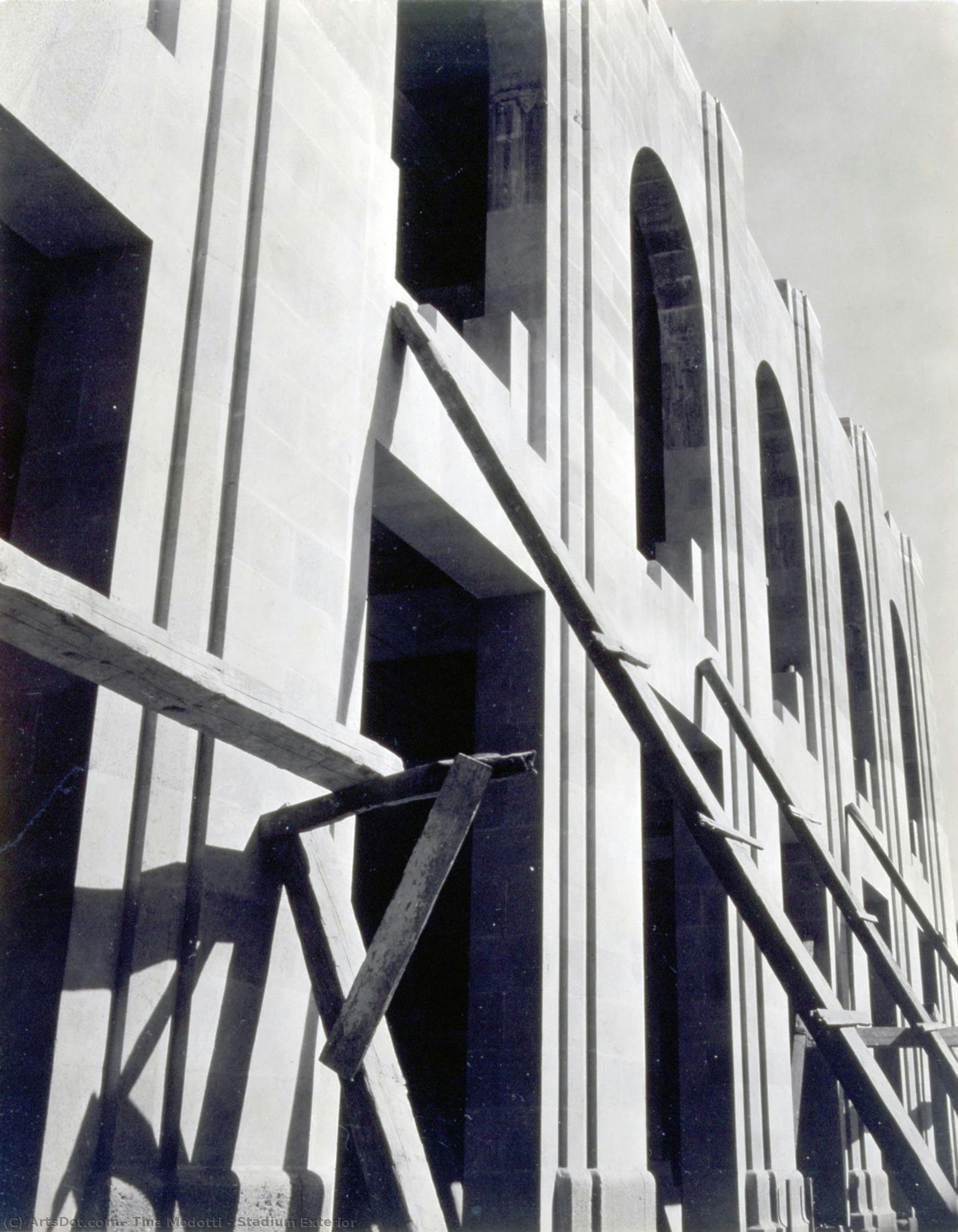
Mexico City became more than just a new home for Tina Modotti; it was a transformative crucible where her artistic talent fused seamlessly with an unwavering commitment to social justice. Immersing herself in Mexican culture, she quickly aligned herself with the burgeoning communist movement and joined International Red Aid, dedicating herself tirelessly to the cause of supporting workers and marginalized communities. This political engagement profoundly shaped her photographic work, shifting its focus from purely aesthetic considerations to a powerful form of documentary realism – a means of bearing witness to the struggles and resilience of ordinary people. She began documenting the lives of Mexican peasants, factory workers, and indigenous communities, capturing their dignity and strength with an unflinching eye. Simultaneously, she became a devoted chronicler of Mexico’s vibrant artistic landscape, meticulously photographing the monumental murals of José Clemente Orozco and Diego Rivera – images that served as both historical records and powerful statements about national identity. Modotti's style during this period was characterized by its stark clarity, dramatic lighting, and an intensely empathetic gaze, creating photographs that were not only visually arresting but also deeply imbued with social commentary.
Key Works & Influence
Tina Modotti’s artistic legacy extends far beyond the striking beauty of her photographs; she masterfully blended modernist aesthetics with a profound commitment to documentary photography, forging a unique style that was both innovative and socially conscious. Her portraits weren't merely likenesses—they were intimate explorations of character, revealing the strength, vulnerability, and humanity of her subjects. Notable works include:
- Peasant Rally with Backs (1928): A powerful depiction of collective identity during wartime, showcasing Modotti’s mastery of composition and grayscale tones to convey a sense of both unity and underlying tension.
- Mother and Child, Tehuantepec, Oaxaca, Mexico (c. 1929): An intimate portrait capturing the tenderness and resilience of motherhood within a specific cultural context – a testament to her ability to connect with her subjects on a deeply human level.
- Roses, Mexico (c. 1925-1930): A striking close-up study of roses, demonstrating Modotti’s capacity for finding beauty and symbolism in the most ordinary of subjects – an exploration of form, color, and texture that reveals her artistic ingenuity.
- Woman of Tehuantepec (1929): An iconic image celebrating the traditional dress and cultural identity of women from Tehuantepec, Oaxaca—a powerful assertion of female strength and heritage.
Modotti’s influence resonates profoundly within contemporary photography, inspiring countless artists to explore themes of social justice, documentary realism, and the power of visual storytelling. Her work serves as a potent reminder that photography can be more than just an aesthetic pursuit – it can be a vital tool for raising awareness, challenging injustice, and fostering positive change.
A Legacy of Vision and Commitment
Tina Modotti’s untimely death in Mexico City in 1942, under circumstances shrouded in mystery—widely believed to be the result of poisoning—cut short a promising career but could not diminish the enduring power or relevance of her vision. Her photographs continue to resonate today, reminding us of the importance of bearing witness and using art as a force for justice – a testament to the lasting impact of an artist who dared to challenge conventions and champion the cause of social change.