


1


Actualizat Octombrie 2026 · clasat în funcție de scorul nostru de popularitate (căutări, vizite și comenzi pentru fiecare operă) · 9 lucrări ale lui Thomas Hardy în catalogul nostru
Pe scurt
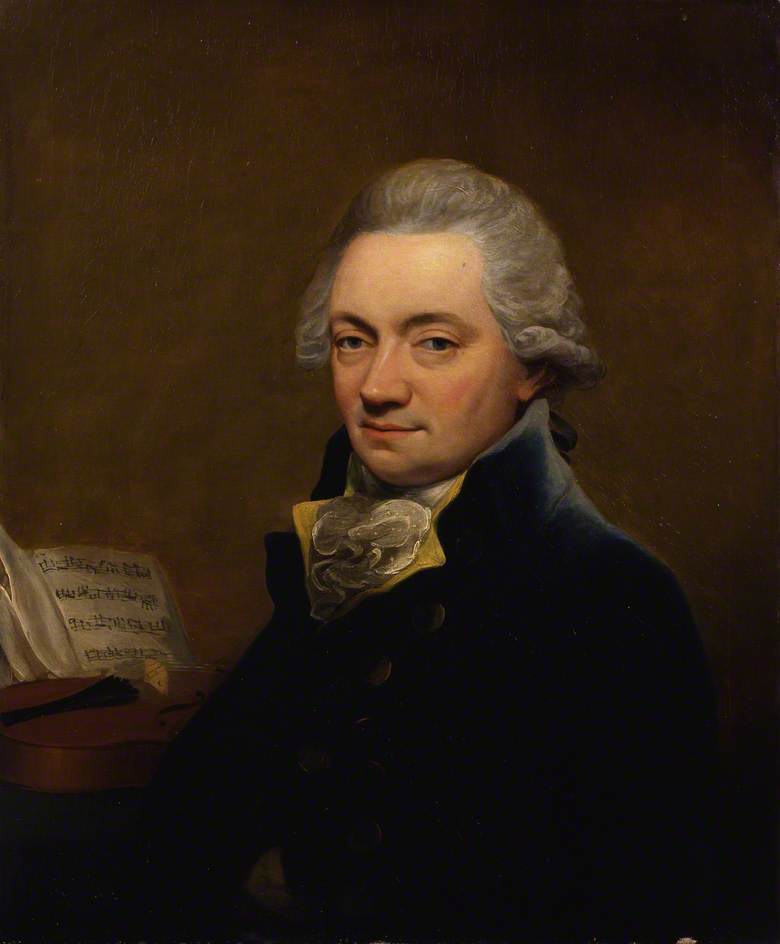
Dintre toate originalele lăsate de Thomas Hardy, cea mai faimoasă este Joseph Haydn (1732–1809) (1791), din colecția Royal College of Music, London. Imediat după acestea urmează Brass Crosby (1725–1793), Alderman of Bread Street Ward (1787) și Wilhelm Cramer (1794). Catalogul nostru cuprinde 9 lucrări ale lui Thomas Hardy; galeria a păstrat cele 9 pe care lumea le admiră cel mai mult, fiecare fiind prezentată împreună cu data, muzeul și povestea sa.




Cele patru teme care revin cel mai des în aceste opere originale, fiecare având cel mai sublim exemplu.
Cele 5 muzee care dețin cele mai multe dintre picturile de pe această pagină.
| Muzee | Oraș | Lucrări lui Thomas Hardy | Picturi din această listă |
|---|---|---|---|
 Royal College of Music |
London | 3 | Joseph Haydn (1732–1809), William Shield (1748–1829), Johann Peter Salomon (1745–1815) |
 National Portrait Gallery |
Londra | 2 | Wilhelm Cramer, John Horne Tooke |
 Guildhall Art Gallery |
Londra | 1 | Brass Crosby (1725–1793), Alderman of Bread Street Ward |
 Upton House |
Banbury | 1 | William Augustus Bowles (1763–1805), as a Native North American (Creek) Chief |
 Trustul Național al Proprietăților Istorice din Marea Britanie |
Sevenoaks | 1 | John Frederick Sackville (1745–1799), 3rd Duke of Dorset, KG (after Joshua Reynolds) |
Doar într-un deceniu, de la 1787 la 1795, a oferit lumii fiecare lucrare originală datată a lui Thomas Hardy din această selecție: iată-le, an de an.
Alege un an pentru a vedea originalele acestuia.
Joseph Haydn (1732–1809) (1791), Royal College of Music, London. Urmează Brass Crosby (1725–1793), Alderman of Bread Street Ward (1787) și Wilhelm Cramer (1794).
34 ani: Joseph Haydn (1732–1809) datează din 1791, iar Thomas Hardy s-a născut în 1757.
Catalogul nostru cuprinde 9 lucrări ale lui Thomas Hardy, datate între 1787 și 1795.
În principal în Royal College of Music (London), National Portrait Gallery (Londra) și Guildhall Art Gallery (Londra). Tabelul cu muzee de mai sus le enumeră pe toate.
În 1791: 2 dintre cele 9 lucrări de pe această pagină au fost realizate atunci, fiind Joseph Haydn (1732–1809) dintre acestea.
Pe această pagină, cea mai veche lucrare datează din Brass Crosby (1725–1793), Alderman of Bread Street Ward (1787), iar cea mai recentă este din William Shield (1748–1829) (1795).
18th century (3), Portrait (2) și European art (2), din cele 9 lucrări de pe această pagină.
Neoclassicism, judecând după originalele de pe această pagină.
Joseph Haydn (1732–1809), William Shield (1748–1829) și Johann Peter Salomon (1745–1815): Royal College of Music, London deține 3 dintre lucrările de pe această pagină.
Thomas Hardy (1757–1804) emerged as a prominent British portrait painter during the Georgian era, leaving an indelible mark on the artistic landscape of his time. Primarily recognized for his captivating depictions of musical figures—notably Joseph Haydn and Muzio Clementi—Hardy’s oeuvre reflects a profound fascination with intellectual pursuits and the burgeoning cultural scene of London. His work stands out due to its meticulous attention to detail and masterful execution, embodying the refined ideals of Neoclassical art through a lens of human character.
Born in Derbyshire, Hardy's early life remains somewhat shrouded in obscurity, though biographical accounts suggest he possessed considerable artistic talent from a young age. He honed his skills under the tutelage of John Opie, a celebrated landscape painter who championed the Romantic movement’s emphasis on emotion and imagination. This mentorship provided a vital foundation, as Opie's guidance instilled in Hardy a profound appreciation for capturing human character with sensitivity and nuance, an influence that subtly permeated Hardy’s stylistic choices throughout his career.
Hardy gained considerable acclaim through his membership at the Royal Academy from 1783, where he exhibited numerous portraits showcasing his exceptional artistic abilities. His technique was often defined by a sophisticated use of chiaroscuro, creating dramatic lighting that emphasized facial features and conveyed an aura of intellectual contemplation. This approach allowed him to transcend mere likeness, imbuing his subjects with a sense of their inner spirit and social standing.
Among his most celebrated works is a striking portrait of Joseph Haydn (1791), executed in oil on canvas. This piece serves as a testament to Hardy’s dedication to portraying musical genius with dignity and grace, utilizing light and shadow to highlight the composer's thoughtful expression. Furthermore, Hardy produced notable portraits of Muzio Clementi (circa 1795) and Brass Crosby (1787), demonstrating his versatility as a painter capable of capturing the essence of prominent figures within London’s musical and civic circles.
Beyond his individual achievements, Hardy's career was marked by significant professional connections. He collaborated closely with John Bland, a publisher who recognized his artistic potential and helped facilitate his presence in the wider art market. This synergy between fine art and publishing played a crucial role in disseminating the imagery of the era's cultural elite.
The historical significance of Thomas Hardy lies in his ability to document the faces of an era defined by Enlightenment ideals and musical revolution. His portraits remain vital historical documents, offering a rare glimpse into the 18th-century social fabric. Through his brush, the intellectual vigor of the Georgian period is preserved, ensuring that the likenesses of these musical luminaries continue to inspire awe and curiosity in the modern age.
