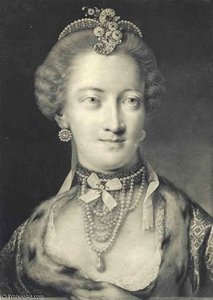
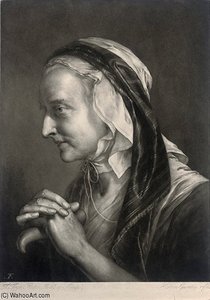
Portretul lui Thomas Frye

Cele 40 cele mai faimoase picturi ale lui Thomas Frye, fiecare unică în felul ei

Actualizat Noiembrie 2026 · clasat în funcție de scorul nostru de popularitate (căutări, vizite și comenzi pentru fiecare operă) · 40 lucrări ale lui Thomas Frye în catalogul nostru

Pe scurt

Thomas Frye (1759) este pictura lui Thomas Frye care atrage cele mai multe priviri; originalul aparține National Portrait Gallery, Londra. După aceasta, privirea se îndreaptă către Portrait of Sir Charles Kemeys-Tynte, Baronet (1710-1785) (1739) și Portrait of John Allen of Bridgewater (1739). Dintre cele 40 opere ale lui Thomas Frye din catalogul nostru, acestea 40 sunt cele mai celebre, fiecare fiind o piesă unică, prezentată împreună cu anul creării, muzeul deținător și motivul pentru care aceasta rămâne memorabilă.

1710 – 1762, Dublin Cele mai multe lucrări: National Gallery of Ireland

Cele mai importante 10 picturi ale lui Thomas Frye, prin ochii galeriei

1
Thomas Frye (1759) de Thomas Frye

Thomas Frye

1759 · Oil On Canvas · National Portrait Gallery, Londra

Created in 1759, this oil on canvas work presents the artist, Thomas Frye, as his own subject. The portrait captures the man in a three-quarter view, presenting a formal and somber appearance. He is depicted with light-colored, powdered hair that contrasts against the darker tones of his attire. A dark jacket and a white neckcloth define his clothing, grounding the figure within a restrained, eighteenth-century aesthetic.

Păiți celebrele picturi ale lui Thomas Frye, de la numărul 11 la 40

Subiectele care i-au captivat privirea lui Thomas Frye

Cele patru teme care revin cel mai des în aceste opere originale, fiecare având cel mai sublim exemplu.

Muzeele care păstrează originalele lui Thomas Frye

Cele 7 muzee care dețin cele mai multe dintre picturile de pe această pagină.

Muzee Oraș Lucrări lui Thomas Frye Picturi din această listă
National Gallery of Ireland, DublinNational Gallery of Ireland Dublin 3 Portrait of Sir Charles Kemeys-Tynte, Baronet (1710-1785), Portrait of John Allen of Bridgewater, Portrait of Susannah Walker
National Portrait Gallery, LondraNational Portrait Gallery Londra 1 Thomas Frye
Colecția Regală, LondraColecția Regală Londra 1 Frederick, Prince of Wales (1707-1751)
Yale Center for British Art, New HavenYale Center for British Art New Haven 1 A Woman, Traditionally Identified as Mrs.Wardle
Metropolitan Museum of Art, New YorkMetropolitan Museum of Art New York 1 Untitled (D2WVNF)
Nationalmuseum, StockholmNationalmuseum Stockholm 1 Unknown man
Galeria Națională a Scottei, EdinburghGaleria Națională a Scottei Edinburgh 1 Richard Leveridge

Thomas Frye de-a lungul deceniilor: o piesă unică pentru fiecare

Lucrări pe deceniu

Alege o deceniu pentru a descoperi opera originală care îl definește.

Picturile lui Thomas Frye: întrebări pentru galerie

Care este cea mai celebră operă a lui Thomas Frye?Află răspunsul

Thomas Frye (1759), National Portrait Gallery, Londra. Urmează Portrait of Sir Charles Kemeys-Tynte, Baronet (1710-1785) (1739) și Portrait of John Allen of Bridgewater (1739).

La ce vârstă a creat Thomas Frye Thomas Frye?Află răspunsul

49 ani: Thomas Frye datează din 1759, iar Thomas Frye s-a născut în 1710.

Care sunt cele mai celebre zece picturi ale lui Thomas Frye?Află răspunsul

Thomas Frye, Portrait of Sir Charles Kemeys-Tynte, Baronet (1710-1785), Portrait of John Allen of Bridgewater, Frederick, Prince of Wales (1707-1751), A Woman, Traditionally Identified as Mrs.Wardle, Portrait of Susannah Walker, Untitled (D2WVNF), Unknown man, The Observer și Untitled. Clasamentul de mai sus indică anul și muzeul pentru fiecare piesă.

Câte lucrări ale lui Thomas Frye sunt cunoscute?Află răspunsul

Catalogul nostru cuprinde 40 lucrări ale lui Thomas Frye, datate între 1739 și 1760.

Unde pot fi vizualizate originalele celor mai faimoși Thomas Frye?Află răspunsul

În principal în National Gallery of Ireland (Dublin), National Portrait Gallery (Londra) și Colecția Regală (Londra). Tabelul cu muzee de mai sus le enumeră pe toate.

În ce perioadă a creat Thomas Frye cele mai cunoscute picturi?Află răspunsul

În 1730s: 2 dintre cele 40 lucrări de pe această pagină au fost realizate atunci, fiind Portrait of Sir Charles Kemeys-Tynte, Baronet (1710-1785) dintre acestea.

Care este cea mai veche și care este cea mai recentă pictură a lui Thomas Frye?Află răspunsul

Pe această pagină, cea mai veche lucrare datează din Portrait of Sir Charles Kemeys-Tynte, Baronet (1710-1785) (1739), iar cea mai recentă este din Portrait of Susannah Walker (1760).

Ce teme prefera Thomas Frye?Află răspunsul

Portraits (8), Portrait (5) și Men (4), din cele 40 lucrări de pe această pagină.

Ce originale de Thomas Frye pot vedea la National Gallery of Ireland?Află răspunsul

Portrait of Sir Charles Kemeys-Tynte, Baronet (1710-1785), Portrait of John Allen of Bridgewater și Portrait of Susannah Walker: National Gallery of Ireland, Dublin deține 3 dintre lucrările de pe această pagină.

Thomas Frye: un portret al artistului

The Versatile Legacy of Thomas Frye

Thomas Frye stands as a remarkable figure of the eighteenth century, an Anglo-Irish polymath whose creative reach extended far beyond the traditional boundaries of portraiture. Born in Edenderry, Ireland, Frye’s journey from his Irish roots to the vibrant artistic circles of London allowed him to cultivate a diverse mastery over various media. He was not merely a painter but a skilled engraver and a pioneer in the delicate art of porcelain manufacturing. His ability to navigate between the intimate scale of miniatures and the grand presence of oil portraits marks him as one of the most significant Irish artists of his era, blending technical precision with an innate understanding of character.

His artistic development was characterized by a profound command over both color and line. In his portraiture, Frye utilized oil and pastel to capture the aristocratic grace and psychological depth of his subjects. Whether rendering the soft textures of skin in a pastel miniature or the stately presence of figures like Lieutenant Colonel George Walsh, his work resonates with an enduring elegance. His early explorations in mezzotint engraving further demonstrated his technical prowess, allowing him to disseminate his visual narratives through print, reaching a much wider audience than the single canvas could ever permit.

A Pioneer of Porcelain and Print

Beyond the easel, Frye’s historical significance is deeply intertwined with the industrial and decorative arts of England. He was a man of immense entrepreneurial spirit, most notably serving as the patentee of the Bow porcelain factory in London. In an era of intense competition among ceramic innovators, Frye claimed a central role in the history of English pottery, even asserting in his epitaph that he was the inventor and first manufacturer of porcelain in England. While historical debate continues regarding his precedence over rivals at the Chelsea factory, his management of the Bow works remains a cornerstone of his multifaceted career.

The breadth of his contributions can be summarized through his various artistic roles:

  • Portrait Painter: Renowned for his ability to capture likenesses in oil, pastel, and chalk, ranging from delicate miniatures to full-length compositions.
  • Printmaker: A skilled engraver who utilized the mezzotint technique to publish series of life-size fancy portraits.
  • Ceramic Innovator: A key figure in the development of English porcelain through his leadership at the Bow porcelain factory.

Frye’s life was a testament to the intersection of fine art and industrial innovation. Even as he faced personal hardships, such as the respiratory struggles that eventually led him to retire to Wales, his dedication to his craft never wavered. His legacy survives not only in the galleries of prestigious institutions like The Metropolitan Museum of Art but also in the very fabric of English decorative history, leaving an indelible mark on the visual culture of the eighteenth century.