Portretul lui Solon Borglum

Cele 13 cele mai faimoase picturi ale lui Solon Borglum, fiecare unică în felul ei

Actualizat Noiembrie 2026 · clasat în funcție de scorul nostru de popularitate (căutări, vizite și comenzi pentru fiecare operă) · 13 lucrări ale lui Solon Borglum în catalogul nostru

Pe scurt

The teacher of sciences\n\nThe teacher of sciences (1900) este pictura lui Solon Borglum care atrage cele mai multe priviri; originalul aparține Museum of the Man of the Northeast, Recife. După aceasta, privirea se îndreaptă către Lassoing Wild Horses (1902) și Saint John the Baptist baptizing on the banks of the river\n\nSaint John the Baptist baptizing on the banks of the river (1900). Dintre cele 13 opere ale lui Solon Borglum din catalogul nostru, acestea 13 sunt cele mai celebre, fiecare fiind o piesă unică, prezentată împreună cu anul creării, muzeul deținător și motivul pentru care aceasta rămâne memorabilă.

1868 – 1922, Ogden American realism Cele mai multe lucrări: Museum of the Man of the Northeast

Cele mai importante 10 picturi ale lui Solon Borglum, prin ochii galeriei

4
„Lassoarea Cal sălbatic” de Solon Borglum

„Lassoarea Cal sălbatic”

Solon Hannibal Borglum, un sculptor american născut în 1868, ne oferă cu “Lassoing Wild Horses” o capodoperă a realismului din epocă, capturând esența vieții frontierului și spiritul indomabil al Vestului American. Această lucrare, mai mult decât un simplu reprezentare sculpturală, este o poveste vizuală despre control, instinct și legătura profundă dintre om și natură. Borglum, frate al celebrei figuri Gutzon Borglum, a dezvoltat un stil distinct, caracterizat de o atenție…

Păiți celebrele picturi ale lui Solon Borglum, de la numărul 11 la 13

Subiectele care i-au captivat privirea lui Solon Borglum

Cele patru teme care revin cel mai des în aceste opere originale, fiecare având cel mai sublim exemplu.

Muzeele care păstrează originalele lui Solon Borglum

Cele 6 muzee care dețin cele mai multe dintre picturile de pe această pagină.

Muzee Oraș Lucrări lui Solon Borglum Picturi din această listă
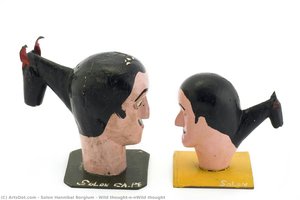
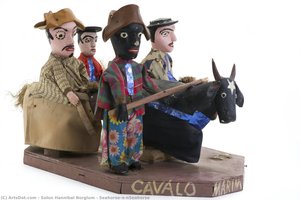
Museum of the Man of the Northeast, RecifeMuseum of the Man of the Northeast Recife 4 The teacher of sciences\n\nThe teacher of sciences, Saint John the Baptist baptizing on the banks of the river\n\nSaint John the Baptist baptizing on the banks of the river, Wild thought\n\nWild thought
New Britain Museum of American Art, New BritainNew Britain Museum of American Art New Britain 3 Distant Hills (Clouds over Black Mountain), Sheep Near Madam Modjeska's Forest of Arden, The Horse's Head
National Cowboy - Western Heritage Museum, Oklahoma CityNational Cowboy - Western Heritage Museum Oklahoma City 2 „Lassoarea Cal sălbatic”, One in a Thousand
Smithsonian American Art Museum, Washington, D.C.Smithsonian American Art Museum Washington, D.C. 2 Plant Study, Cow
Amon Carter Museum of American Art, Fort WorthAmon Carter Museum of American Art Fort Worth 1 Lassoing Wild Horses
Denver Art Museum, DenverDenver Art Museum Denver 1 Lassoing Wild Horses

Solon Borglum de-a lungul anilor: originalele unice ale fiecăruia

13 ani separă primele și ultimele opere originale datate ale lui Solon Borglum prezentate aici, 1890 și 1902: fiecare an are locul său mai jos.

Lucrări pe an

Alege un an pentru a vedea originalele acestuia.

Picturile lui Solon Borglum: întrebări pentru galerie

Care este cea mai celebră operă a lui Solon Borglum?Află răspunsul

The teacher of sciences\n\nThe teacher of sciences (1900), Museum of the Man of the Northeast, Recife. Urmează Lassoing Wild Horses (1902) și Saint John the Baptist baptizing on the banks of the river\n\nSaint John the Baptist baptizing on the banks of the river (1900).

La ce vârstă a creat Solon Borglum The teacher of sciences\n\nThe teacher of sciences?Află răspunsul

32 ani: The teacher of sciences\n\nThe teacher of sciences datează din 1900, iar Solon Borglum s-a născut în 1868.

Care sunt cele mai celebre zece picturi ale lui Solon Borglum?Află răspunsul

The teacher of sciences\n\nThe teacher of sciences, Lassoing Wild Horses, Saint John the Baptist baptizing on the banks of the river\n\nSaint John the Baptist baptizing on the banks of the river, „Lassoarea Cal sălbatic”, Distant Hills (Clouds over Black Mountain), Plant Study, Sheep Near Madam Modjeska's Forest of Arden, The Horse's Head, Wild thought\n\nWild thought și Lassoing Wild Horses. Clasamentul de mai sus indică anul și muzeul pentru fiecare piesă.

Câte lucrări ale lui Solon Borglum sunt cunoscute?Află răspunsul

Catalogul nostru cuprinde 13 lucrări ale lui Solon Borglum, datate între 1890 și 1902.

Unde pot fi vizualizate originalele celor mai faimoși Solon Borglum?Află răspunsul

În principal în Museum of the Man of the Northeast (Recife), New Britain Museum of American Art (New Britain) și National Cowboy - Western Heritage Museum (Oklahoma City). Tabelul cu muzee de mai sus le enumeră pe toate.

În ce perioadă a creat Solon Borglum cele mai cunoscute picturi?Află răspunsul

În 1900: 4 dintre cele 13 lucrări de pe această pagină au fost realizate atunci, fiind The teacher of sciences\n\nThe teacher of sciences dintre acestea.

Care este cea mai veche și care este cea mai recentă pictură a lui Solon Borglum?Află răspunsul

Pe această pagină, cea mai veche lucrare datează din Distant Hills (Clouds over Black Mountain) (1890), iar cea mai recentă este din Lassoing Wild Horses (1902).

Ce teme prefera Solon Borglum?Află răspunsul

Cowboy (3), Man (2) și Horse (2), din cele 13 lucrări de pe această pagină.

Cu ce materiale a pictat cel mai des Solon Borglum?Află răspunsul

Bronze, pentru 2 dintre cele 13 lucrări de pe această pagină.

Din ce curent artistic face parte opera lui Solon Borglum?Află răspunsul

American realism, judecând după originalele de pe această pagină.

Ce originale de Solon Borglum pot vedea la Museum of the Man of the Northeast?Află răspunsul

The teacher of sciences\n\nThe teacher of sciences, Saint John the Baptist baptizing on the banks of the river\n\nSaint John the Baptist baptizing on the banks of the river și Wild thought\n\nWild thought: Museum of the Man of the Northeast, Recife deține 4 dintre lucrările de pe această pagină.
Solon Borglum: un portret al artistului

A Sculptor of the American West: The Life and Art of Solon Hannibal Borglum

Solon Hannibal de la Mothe Borglum, born December 22, 1868, in Ogden, Utah, was a sculptor whose work became inextricably linked with the spirit and landscape of the American West. Though often overshadowed by his more famous brother, Gutzon Borglum – creator of Mount Rushmore – Solon carved out a distinct artistic identity, one deeply rooted in realism and imbued with a sensitive portrayal of frontier life. His story is one of familial complexity, artistic dedication, and a profound connection to the evolving narrative of a nation forging its identity. The early years of his life were marked by an unconventional family dynamic; his father, James Borglum, a Danish immigrant and Mormon polygamist, was married to two sisters, Ida and Christina Mikkelsen. This arrangement led to a fractured childhood for Solon, particularly after his mother, Christina, left the family when he was young – a subject discouraged from discussion within the household. He spent formative years on the Nebraska prairie where his father practiced medicine, developing an intimate understanding of the land and its inhabitants. Initially drawn to the life of a cowboy-rancher, it was his brother Gutzon who recognized and nurtured Solon’s artistic inclinations, encouraging him to pursue formal training.

From Paris to the Prairie: Artistic Development and Style

Solon's artistic journey led him first to the Cincinnati Art Academy from 1895 to 1897, where he began to hone his skills. However, it was his subsequent studies in Paris at the Académie Julian under Emmanuel Fremiet that truly shaped his aesthetic vision. There, he gained recognition as “le sculpteur de la prairie” – the sculptor of the prairie – a testament to the unique perspective he brought to European artistic circles. His time in Paris exposed him to classical traditions and refined sculpting techniques, yet he remained steadfastly committed to depicting the scenes and subjects that resonated with his American experience. Borglum’s style is characterized by meticulous realism, an acute understanding of anatomy and movement, and a narrative depth that breathes life into his creations. He didn't merely represent figures; he captured moments, emotions, and the essence of a disappearing way of life. His work focused primarily on depicting life in the American West, particularly scenes involving cowboys, Native Americans, and the vast, untamed landscapes that defined the era. Notable sculptures include “Saint John the Baptist baptizing on the banks of the river” (1900), now housed in Recife, Brazil, a piece demonstrating his mastery of Baroque realism and dramatic composition, and drawings like "Cow" at the Smithsonian American Art Museum, showcasing his ability to capture the raw power and beauty of animal life.

War, Teaching, and a Lasting Legacy

The outbreak of World War I saw Solon shift his focus from artistic creation to service. He worked with the YMCA, contributing to Les Foyers du Soldat service clubs in France, providing respite and support for soldiers on the front lines. His dedication was recognized with the Croix de Guerre, a testament to his selfless contributions during wartime. Following the war, Borglum returned to the United States and founded the School of American Sculpture in New York City. Driven by a desire to pass on his knowledge and expertise, he mentored aspiring artists, developing a textbook titled *Sound Construction* as a guide for his students. This pedagogical endeavor reflects his commitment to fostering a new generation of sculptors grounded in both technical skill and artistic vision. Tragically, Solon Borglum’s life was cut short on January 31, 1922, following an appendectomy. However, his legacy endured through the dedication of his wife, Emma Vignal, and later through his daughter Monica and her husband, who diligently preserved and exhibited his work, ensuring that his artistic contributions would not be forgotten.

A Bridge Between Eras: Historical Significance

Solon Borglum’s impact on American sculpture lies in his ability to bridge the gap between realism and iconic representations of frontier life. He didn't romanticize the West; he depicted it with honesty, sensitivity, and a deep understanding of its complexities. His sympathetic portrayal of Native Americans was particularly noteworthy, challenging prevailing stereotypes and offering a more nuanced perspective on their culture and experiences. Borglum’s teachings and artistic style influenced numerous artists, including Paul Manship, who studied under him and went on to become a prominent sculptor in his own right. Today, the New Britain Museum of American Art houses a significant collection of Borglum's sculptures and related materials, safeguarding his art for future generations. His work provides invaluable insights into the cultural landscape of the late 19th and early 20th centuries, reflecting both the romantic allure and the harsh realities of life in the American West. Through his remarkable sculptures and drawings, Solon Hannibal Borglum continues to inspire artists and art enthusiasts alike, reminding us of a pivotal era in American history and the enduring power of artistic expression. His legacy is not merely one of sculpted forms but of stories told in bronze and stone, capturing the heart and soul of a nation.