


1


Actualizat Noiembrie 2026 · clasat în funcție de scorul nostru de popularitate (căutări, vizite și comenzi pentru fiecare operă) · 59 lucrări ale lui Robert Gwathmey în catalogul nostru
Pe scurt
The Farmer Wanted a Boy (1942) este pictura lui Robert Gwathmey care atrage cele mai multe priviri; originalul aparține Art Institute of Chicago, Chicago. După aceasta, privirea se îndreaptă către Portrait of a Farmer's Wife (1951) și Parade (1951). Dintre cele 59 opere ale lui Robert Gwathmey din catalogul nostru, acestea 56 sunt cele mai celebre, fiecare fiind o piesă unică, prezentată împreună cu anul creării, muzeul deținător și motivul pentru care aceasta rămâne memorabilă.


The Parade painting by Robert Gwathmey is a remarkable piece of art that showcases the artist's unique style and technique. Created in 1951, this watercolour painting measures 53 x 36 cm and is currently housed at the Smithsonian American Art Museum in the United States. Artist Background Robert Gwathmey was an American artist known for his bold and expressive works of art. Born in 1903, he was a prominent figure…


 Untitled (853)
12
 Untitled (574)
13
 Untitled (791)
14
 Untitled (219)
15
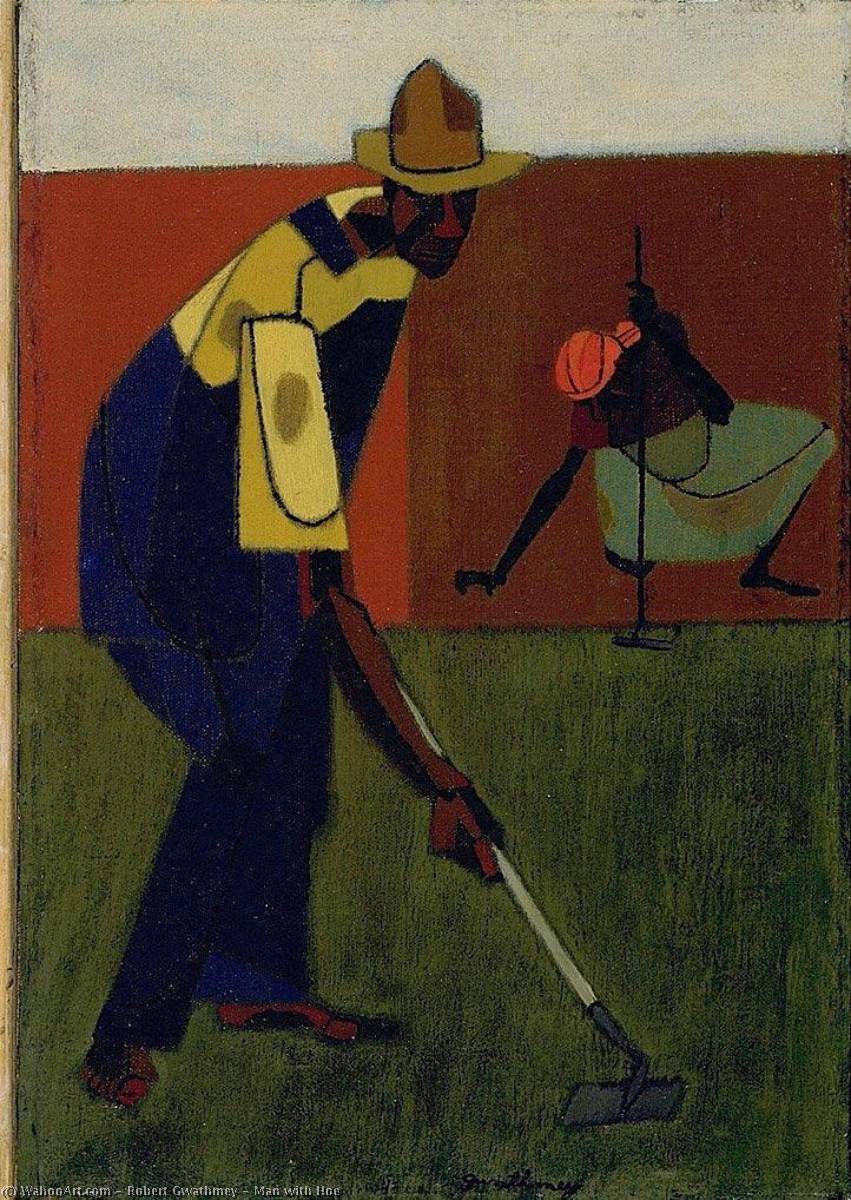
 Man with Hoe1944
16
 Singing and Mending1944
17
 Front Porch1947
18
 Poll Tax Country1945
19
 Sharecroppers and Blackberry Pickers1950
20
 Carrying the Sack1950
21
 Asleep at the Table1945 · Ogden Museum of Southern Art
22
 Untitled (813)
23
 Untitled (585)
24
 Untitled (196)
25
 Untitled (106)
26
 Untitled (721)
27
 Untitled (226)
28
 Untitled (193)
29
 Untitled (805)
30
 Untitled (561)
31
 Untitled (348)
32
 Untitled (491)
33
 Untitled (360)
34
 Untitled (416)
35
 Untitled (558)
36
 Untitled (285)
37
 Untitled (857)
38
 Untitled (207)
39
 Untitled (788)
40
 Untitled (724)
41
 Untitled (668)
42
 Untitled (655)
43
 Untitled (626)
44
 Untitled (735)
45
 Untitled (909)
46
 Untitled (968)
47
 Untitled (878)
48
 Untitled (106)
49
 Untitled (958)
50
 Untitled (857)
51
 Untitled (430)
52
 Untitled (750)
53
 Untitled (183)
54
 Untitled (229)
55
 Untitled (565)
56
 Going Home
Cele 2 muzee care dețin cele mai multe dintre picturile de pe această pagină.
| Muzee | Oraș | Lucrări lui Robert Gwathmey | Picturi din această listă |
|---|---|---|---|
 Art Institute of Chicago |
Chicago | 1 | The Farmer Wanted a Boy |
 Ogden Museum of Southern Art |
New Orleans | 1 | Asleep at the Table |
Originalele datate ale lui Robert Gwathmey prezentate aici se încadrează pe un interval de aproximativ zece ani, de la 1942 la 1951: privirea le urmărește an de an.
Alege un an pentru a vedea originalele acestuia.


The Farmer Wanted a Boy (1942), Art Institute of Chicago, Chicago. Urmează Portrait of a Farmer's Wife (1951) și Parade (1951).
39 ani: The Farmer Wanted a Boy datează din 1942, iar Robert Gwathmey s-a născut în 1903.
The Farmer Wanted a Boy, Portrait of a Farmer's Wife, Parade, Untitled (504), Untitled (978), Untitled (811), Untitled (540), Untitled (830), Untitled (598) și Untitled (389). Clasamentul de mai sus indică anul și muzeul pentru fiecare piesă.
Catalogul nostru cuprinde 59 lucrări ale lui Robert Gwathmey, datate între 1942 și 1951.
În principal în Art Institute of Chicago (Chicago) și Ogden Museum of Southern Art (New Orleans). Tabelul cu muzee de mai sus le enumeră pe toate.
În 1944: 2 dintre cele 56 lucrări de pe această pagină au fost realizate atunci, fiind Man with Hoe dintre acestea.
Pe această pagină, cea mai veche lucrare datează din The Farmer Wanted a Boy (1942), iar cea mai recentă este din Portrait of a Farmer's Wife (1951).
Social realism, judecând după originalele de pe această pagină.