
1


Actualizat Noiembrie 2026 · clasat în funcție de scorul nostru de popularitate (căutări, vizite și comenzi pentru fiecare operă) · 24 lucrări ale lui Paul Brason în catalogul nostru
Pe scurt
Dintre toate originalele lăsate de Paul Brason, cea mai faimoasă este Philip William Bryce Lever (1915–2000), 3rd Viscount Leverhulme, KG. Imediat după acestea urmează Professor Dorothy Wedderburn (1991) și Gerald Grosvenor (b.1951), 6th Duke of Westminster (1995). Catalogul nostru cuprinde 24 lucrări ale lui Paul Brason; galeria a păstrat cele 24 pe care lumea le admiră cel mai mult, fiecare fiind prezentată împreună cu data, muzeul și povestea sa.


 Robert G. Beldam (1914–2003), CBE, Honorary Fellow (1995–2003)1995
12
 Canon Maurice Ridgway (1918–2002)1994
13
 David George Vaisey (b.1935)1996 · Bodleian Libraries
14
 Gerald Ball, Garage Proprietor1999 · Girton College
15
 Sir Keith Thomas (b.1933), President (1986–2000)2002
16
 Keith Gilbert Robbins (b.1940), Principal and Vice Chancellor of University of Wales Lampeter, St David's University College (1992–2003)2003
17
 Dr Michael Fopp, Director General of the Royal Air Force Museum2007
18
 Lord Wilson of Tillyorn2007 · Peterhouse
19
 Barry Everitt, Master of Downing College2007 · Paintings Owned by Colleges
20
 Professor Michael Mingos (b.1944), FRS, Principal (1999–2009)2007 · St Edmund Hall
21
 Alan and Grace Howard2010 · Paintings Owned by Colleges
22
 Professor Dame Jean Thomas2012 · st Catharine's College
23
 John Hood (b.1942)Bodleian Libraries
24
 Philip William Bryce Lever (1915–2000), 3rd Viscount Leverhulme, Chancellor of the University of Liverpool (1980–1993)
Cele patru teme care revin cel mai des în aceste opere originale, fiecare având cel mai sublim exemplu.
#1 Philip William Bryce Lever (1915–2000), 3rd Viscount Leverhulme, KG
 #2 Professor Dorothy Wedderburn
 #8 Brian Robert Morris (1930–2001), Lord Morris of Castle Morris
#16 Keith Gilbert Robbins (b.1940), Principal and Vice Chancellor of University of Wales Lampeter, St David's University College (1992–2003)
Cele 8 muzee care dețin cele mai multe dintre picturile de pe această pagină.
| Muzee | Oraș | Lucrări lui Paul Brason | Picturi din această listă |
|---|---|---|---|
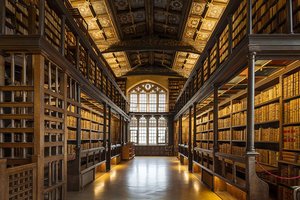 Bodleian Libraries |
Oxford | 2 | David George Vaisey (b.1935), John Hood (b.1942) |
 Paintings Owned by Colleges |
Cambridge | 2 | Barry Everitt, Master of Downing College, Alan and Grace Howard |
 Royal Holloway |
Egham | 1 | Professor Dorothy Wedderburn |
 Chester Town Hall |
Chester | 1 | Gerald Grosvenor (b.1951), 6th Duke of Westminster |
 Merton College |
Oxford | 1 | Dame Jessica Rawson, Warden |
 The University of Reading |
Reading | 1 | Ewan Page |
 Government Art Collection |
Londra | 1 | Brian Robert Morris (1930–2001), Lord Morris of Castle Morris |
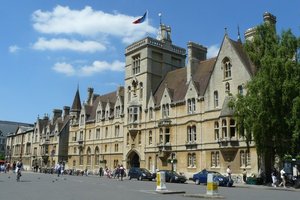 Balliol College |
Oxford | 1 | Baruch S. Blumberg |
Alege o deceniu pentru a descoperi opera originală care îl definește.


Philip William Bryce Lever (1915–2000), 3rd Viscount Leverhulme, KG. Urmează Professor Dorothy Wedderburn (1991) și Gerald Grosvenor (b.1951), 6th Duke of Westminster (1995).
Philip William Bryce Lever (1915–2000), 3rd Viscount Leverhulme, KG, Professor Dorothy Wedderburn, Gerald Grosvenor (b.1951), 6th Duke of Westminster, Dame Jessica Rawson, Warden, Brian Robert Morris (1930–2001) (triptych), Ewan Page, Brian Robert Morris (1930–2001), Baron Morris of Castle Morris, Principal of St David's University College (1980–1991), Brian Robert Morris (1930–2001), Lord Morris of Castle Morris, Sir Emmanuel Kaye și Baruch S. Blumberg. Clasamentul de mai sus indică anul și muzeul pentru fiecare piesă.
Catalogul nostru cuprinde 24 lucrări ale lui Paul Brason, datate între 1990 și 2012.
În principal în Bodleian Libraries (Oxford), Paintings Owned by Colleges (Cambridge) și Royal Holloway (Egham). Tabelul cu muzee de mai sus le enumeră pe toate.
În 1990s: 11 dintre cele 24 lucrări de pe această pagină au fost realizate atunci, fiind Professor Dorothy Wedderburn dintre acestea.
Pe această pagină, cea mai veche lucrare datează din Ewan Page (1990), iar cea mai recentă este din Professor Dame Jean Thomas (2012).
Reflection (4), Portrait (3) și Portraiture (3), din cele 24 lucrări de pe această pagină.
Contemporary realism, judecând după originalele de pe această pagină.
David George Vaisey (b.1935) și John Hood (b.1942): Bodleian Libraries, Oxford deține 2 dintre lucrările de pe această pagină.