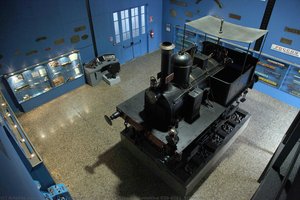
Museo del Ferrocarril de Madrid: A Legacy of Steam and Spanish Industrial Heritage
The Museo del Ferrocarril de Madrid, nestled within the beautifully restored Las Delicias Train Station – a testament to Madrid’s architectural grandeur from the late 19th century – stands as more than just a repository of locomotives and carriages; it embodies the spirit of Spain's burgeoning industrial revolution. Established in 1967 with an initial aim of preserving railway relics, its relocation to the station in 1984 cemented its role as a pivotal institution dedicated to documenting and celebrating the transformative impact of railways on Spanish society and culture.
Origins & Founding Vision: The museum’s genesis stemmed from the foresight of railway enthusiasts who recognized the urgent need for safeguarding Spain's locomotive heritage. Recognizing that many machines were dismantled or neglected, they envisioned a space where these artifacts could be meticulously cared for and made accessible to future generations. This vision wasn’t merely sentimental; it acknowledged the profound influence railways had exerted on shaping Spain’s economic landscape and social mobility during its formative years. The founders understood that preserving tangible reminders of this era was crucial for fostering an appreciation of technological progress and its role in societal transformation.
Las Delicias Station: A Symbolic Home: Choosing Las Delicias Station was deliberate – it served as Madrid’s principal terminus during the Belle Époque, representing the zenith of railway travel and commerce. The station itself underwent a comprehensive renovation project, mirroring the museum's commitment to preserving architectural history alongside mechanical marvels. Constructed by French engineer Émile Cachelièvre using innovative metal construction techniques—inspired by the Galerie des Machines at the Paris World’s Fair of 1878—the station stands as an emblem of Spain’s embrace of modernity and its ambition to compete on a global scale. Its grandeur serves as a powerful backdrop for showcasing the museum's collection, highlighting the intersection between artistic patronage and industrial innovation.
Collection Highlights: Today, the Museo del Ferrocarril boasts an impressive collection encompassing locomotives from various eras – including early steam engines and more modern diesel locomotives – alongside passenger carriages that chronicle the evolution of railway travel. Notably featured are pieces like Saxby & Farmer interlocking, Steam locomotive 231-2006 and Untitled. Each locomotive represents a triumph of engineering ingenuity, meticulously restored to its original condition and accompanied by detailed documentation—photographs, diagrams, and technical specifications—that illuminate the complexities of railway technology. The curators’ dedication to preserving these machines underscores their significance as symbols of Spain's industrial heritage and their contribution to shaping the nation’s technological trajectory.
Influences & Artistic Style: The museum’s aesthetic is rooted in a fascination with industrial history and craftsmanship. The curators prioritize meticulous documentation—photographs, diagrams, and detailed descriptions accompany each exhibit—reflecting the scientific spirit of the time. Furthermore, the presentation emphasizes tactile engagement; visitors can examine engine components and explore interactive displays that illuminate the mechanics of railway operation. This approach distinguishes itself from purely decorative art forms, prioritizing factual accuracy alongside visual appeal. The museum’s curators draw inspiration from the Beaux-Arts movement—characterized by grandeur, symmetry, and classical ornamentation—seeking to convey a sense of dignity and permanence commensurate with the enduring legacy of Spanish railways.
Historical Significance: The Museo del Ferrocarril de Madrid transcends its function as a museum; it serves as a crucial reminder of Spain’s industrial past and its contribution to global technological advancement. By preserving these relics of engineering ingenuity, the institution ensures that future generations appreciate the transformative power of innovation and recognize the enduring legacy of railways in shaping the nation's identity. Its location within Las Delicias Station—a landmark of Madrid’s architectural heritage—further reinforces this connection between art, history, and cultural memory. The museum stands as a testament to Spain’s ambition to modernize its economy and culture during the 19th century, solidifying its place among the most important institutions dedicated to safeguarding Spain's industrial heritage.