O o via Iluminată: Arta lui Louis Comfort Tiffany
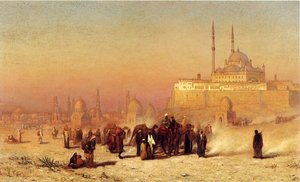
Născut într-o lume a luxului consacrat, fiind fiul lui Charles Lewis Tiffany, fondatorul celebrului Tiffany & Co., Louis Comfort Tiffany (1848-1933) a sfidat așteptările, făurându-și propriul drum nu în comerț, ci în tărâmul artei. Deși era destinat privilegiilor, tânărul Louis purta în sine o pasiune profundă pentru pictură, studiind inițial sub îndrumarea lui George Inness și Samuel Colman, absorbind principiile Romantismului și dezvoltând o apreciere pentru peisajele exotice – influențe vizibile cu clar în lucrările sale timpurii, precum „Snake Charmer at Tangier, Africa”. Această formare fundamentală i-a însușit nu doar măiestria tehnică, ci și o sensibilitate deosebită față de culoare, lumină și atmosferă, elemente care vor defini ulterior contribuțiile sale revoluționare în artele decorative. Educația sa artistică a continuat la National Academy of Design și sub tutelarea lui Leon-Adolphe-Auguste Belly, rafinându-i abilitățile înainte ca o schimbare decisivă de direcție să înceapă să prindă cont în jurul anului 1875.Geneza Inovației: De la Pictură la Sticlă
Traiectoria lui Tiffany a luat o întorsătură neașteptată pe măsură ce era tot mai captivat de posibilitățile prelucrării sticlei. Aceasta nu a fost doar o schimbare de medium, ci o reimaginare completă a ceea ce sticla *ar putea* fi. Nemulțumit de standardele predominante ale producției de sticlă contemporane, pe care le considera lipsite de merit artistic și originalitate, Tiffany s-a angajat într-o căutare pentru a ridica acest material la nivelul artelor frumoase. O colaborare scurtă, dar semnificativă, cu Candace Wheeler, Samuel Colman și Lockwood de Forest în cadrul grupului „Louis Comfort Tiffany and Associated American Artists” (1879-1884), i-a oferit o primă platformă pentru experimentare și viziune artistică comună. Totuși, stabilirea propriei fabrici de sticlă în Corona, New York, a fost cea care i-a eliberat cu adevărat potențialul creativ. Aceasta nu era pur și simplu o unitate de producție; era un laborator în care el urmărea neobosit noi tehnici și efecte. O comandă memorabilă – designul interior pentru casa emblematică a lui Mark Twain în Hartford, Connecticut (188\\81) – a servit drept o primă demonstrație a abilităților sale emergente în artele decorative, prefigurând estetica opulentă care urma să devină sinonimă cu numele său.Revoluționarea Sticlei: Tehnici și Estetică
Moștenirea lui Tiffany se sprijină pe o serie de inovații revoluționare care au schimbat fundamental peisajul artei sticlăriei. Probabil cea mai semnificativă a fost dezvoltarea tehnicii „folie de cupru”, o metodă de învelire a fiecărei bucăți de sticlă într-o folie de cupru înainte de a le lipi împreună prin lipire. Această abordare ingenioasă a permis designuri complexe și detalii fără precedent, depășind limitările metodelor tradiționale cu inserții de plumb. Dar Tiffany nu s-a oprit aici. El a fost pionierul sticlei Favrile – un termen derivat din cuvântul vechi englezesc *fabrile*, care înseamnă „lucrat manual” – caracterizată prin suprafața sa irizată și calitatea vibrantă, suflată manual. Aceasta nu era producție în masă; fiecare piesă era unică, îmbibată cu atingerea artistului. Explorarea sticlei opalescente i-a extins și mai mult paleta artistică, creând efecte eterice și o estetică distinctivă care a captivat imaginația publicului. Aceste inovații nu au fost doar realizări tehnice; ele au fost esențiale pentru adoptarea sa a mișcării Art Nouveau, caracterizată prin linii fluide, motive organice și o accentuare neclintită a frumuseții decorative.O Moștenire Eternă: Impact și Influență
Louis Comfort Tiffany se impune ca o figură monumentală în istoria artei americane, fiind considerat pe larg cel mai important contributor atât pentru mișcările Art Nouveau, cât și pentru mișcarea Estetică din Statele Unite. Opera sa a transcins granițele meșteșugului, elevând artele decorative la statutul de artă fină – un concept radical pentru acea vreme. Impactul inovațiilor sale s-a extins mult dincolo de vitraliile colorate; ele au influențat designul interior, bijuteriile, ceramica și numeroase alte discipline artistice. Astăzi, creațiile lui Tiffany sunt celebrate în muzee din întreaga lume, inclusiv National Museum of Art din New Orleans și Bergstrom-Mahler Museum of Glass, servind drept mărturii ale geniului său durabil. Designurile sale continuă să inspire artiști și designeri, prin reproducerile și printurile disponibile, permițând unei noi generații să experimenteze frumusețea și inovația muncii sale. Tiffany nu a creat doar obiecte; el a modelat experiențe, transformând spațiile în medii immersive de culoare, lumină și măiestrie. El a lăsat o amprentă indelibilă pe peisajul estetic al sfârșitului secolului al XIX-lea și începutului secolului al XX-lea, o moștenire care continuă să ne lumineze lumea de astăzi.Dincolo de Sticlă: Un Artist Multifacetat
Deși este celebrat pentru lucrările sale din sticlă, este crucial să ne amintim că Louis Comfort Tiffany a fost un artist remarcabil de versatil. Nu s-a concentrat doar pe vitralii și lămpi; el a excelat și în mozaic, sticlă suflată, ceramică, bijuterii, emailuri și prelucrarea metalelor. Abordarea sa a fost holistică, crezând că toate elementele unui interior ar trebui să armonizeze pentru a crea o experiență estetică unitară. Această filosofie este evidentă în numeroasele sale comenzi pentru rezidențe private și spații publice, unde a proiectat meticulos fiecare detaliu – de la mobilier și textile până la iluminat și accente decorative. A îndrăznit chiar și să exploreze designul peisagistic, aplicându-și sensibilitatea artistică în mediile exterioare. Angajamentul său pentru „designul total” – un concept înaintea timpului său – i-a consolidat poziția de adevărat vizionar, modelând nu doar obiecte individuale, ci întregi moduri de a trăi și de a experimenta frumusețea.Întrebări și răspunsuri
Pot să explorez lucrările lui Louis Comfort Tiffany pe categorii de mișcări artistice?
Pagina Toate mișcările de artă grupează operele lui Louis Comfort Tiffany pe mișcări artistice.
Care sunt cele mai vizionate opere ale lui Louis Comfort Tiffany?
Pagina Statistici a lui Louis Comfort Tiffany prezintă statistici calculate pe baza operelor de artă ale artistului listate pe acest site web.
Cum pot găsi lucrările lui Louis Comfort Tiffany dintr-o anumită paletă de culori?
Operele lui Louis Comfort Tiffany pot fi explorate pe baza paletei cromatice în pagina de După paletă de culori a artistului.