1


Actualizat Noiembrie 2026 · clasat în funcție de scorul nostru de popularitate (căutări, vizite și comenzi pentru fiecare operă) · 1 lucrări ale lui Li Song în catalogul nostru
Pe scurt
În ochii galeriei, cea mai celebră pictură a lui Li Song este The Knickknack Peddler (1212), a cărei originală este expusă la Cleveland Museum of Art, Cleveland. Dintre cele 1 opere ale lui Li Song din catalogul nostru, galeria prezintă mai jos cele 1 cele mai faimoase, fiecare fiind originală, cu anul creării, muzeul de păstrare și elementul care o face unică.
Muzeul care deține cele mai multe dintre picturile prezentate pe această pagină.
| Muzee | Oraș | Lucrări lui Li Song | Picturi din această listă |
|---|---|---|---|
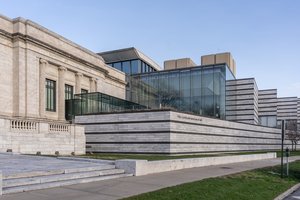 Cleveland Museum of Art |
Cleveland | 1 | The Knickknack Peddler |
Fiecare original datat al lui Li Song de pe această pagină a fost realizat în 1212: iată-le, începând cu cele mai celebre.
Alege un an pentru a vedea originalele acestuia.
The Knickknack Peddler (1212)
22 ani: The Knickknack Peddler datează din 1212, iar Li Song s-a născut în 1190.
Catalogul nostru conține 1 lucrări ale lui Li Song.
În principal în Cleveland Museum of Art (Cleveland). Tabelul cu muzee de mai sus le enumeră pe toate.
Born in Qian Tang, the area known today as Hangzhou, Li Song did not begin his life with a brush in hand. Before he was recognized for his skill with ink and color, he worked as a carpenter. This early trade required a steady hand and a practical understanding of form and structure, qualities that would later find a new expression on silk.
His path shifted when he was adopted by the court painter Li Congxun. Under the guidance of his mentor, the wood and tools of a carpenter were replaced by the disciplined training of an imperial court painter. This transition allowed Li Song to move from the physical construction of objects to the meticulous depiction of human life within the Song dynasty.
Li Song possessed a keen eye for the small, busy details of daily life. While many of his contemporaries focused on vast landscapes, he turned his attention toward the people moving through the streets. He became particularly skilled at painting human figures, finding life in the gestures of common folk. His brushwork often utilized a "ruled-line" technique, a method that allowed him to achieve a sense of precision and clarity in his compositions.
He had a particular talent for capturing the energy of children and the quiet industry of peddlers. He did not merely paint a person; he painted the specific items they carried, from various goods to the small trinkets that made up a merchant's livelihood. This meticulous approach extended to his religious works as well, where he applied his skill to Buddhist and Daoist subject matter. Whether he was depicting a crowded marketplace or a spiritual scene, his work remained grounded in a careful observation of the world around him.
Li Song had a particular way of looking at the small, often chaotic moments of daily life. In his work Skeleton Fantasy Show, he presents a scene that feels both strange and familiar. A skeleton uses a dancing skeleton puppet to draw a crowd of children, while nearby, a mother watches while breastfeeding her child. These scenes show his ability to blend the unusual with the quiet, everyday realities of his time.
His ability to capture movement and tension is perhaps most visible in The Knickknack Peddler, a work from about 1212. In this piece, he depicts a sudden burst of energy as children attack a snake with a stick and a stone. The peddler, caught in the middle of the commotion, rushes toward the children, leaving his merchandise unattended. It is a snapshot of a moment where a simple walk through a market turns into a sudden, dramatic event.