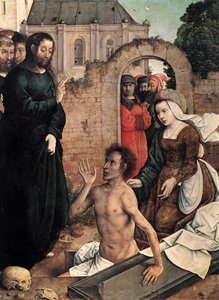
Maestrul Enigmatic al Curții Spaniole
Identitatea lui Juan de Flandes rămâne unul dintre cele mai captivante mistere din analele picturii timpurii nederlandeze. Învelit într-un văl de ambiguitate istorică, cercetătorii au dezbătut mult timp dacă acest maestru a fost individul cunoscut sub numele de Jan van der Straat sau un alt virtuoz anonim a cărui pensulă a lăsat o urmă indelibilă pe Peninsula Iberică. Deși adevăratele sale origini sunt obscure de trecerea timpului, sufletul său artistic este necongestionabil înrădăcinat în vibrantele tradiții ale Flandrei. Născut probabil la mijlocul secolului al XV-lea, el a apărut din prestigiosul mediu artistic al orașului Ghent, un oraș care atunci pulsa de inovațiile Școlii de Ghent. Tocmai aici, printre umbrele unor maeștri precum Joos van Wassenhove și Hugo van der Goes, Juan și-a rafinat capacitatea de a surprinde interacțiunea delicată dintre lumină și textură, stabilind o fundație tehnică ce va face ulterior legătura între precizia nordică și măreția spaniolă.
Călătoria sa din Țările de Jos până în inima Spaniei reprezintă un capitol crucial în evoluția Renașterii spaniole. În anul 1496, destinul său s-a legat indisolubil de Coroana Spaniolă, când a obținut prestigiosul patronaj al reginei Isabella I de Castilia. Această numire a reprezentat mult mai mult decât un simplu reper profesional; l-a plasat chiar în epicentrul puterii politice și religioate. Servind ca pictor de curte până la moartea Isabelei, în 1504, Juan de Flandes a devenit cronicarul vizual al unei epoci de aur. Prin ochii săi, demnitatea familiei regale — în special a Isabelei și a lui Ferdinand — a fost imortalizată cu o eleganță rafinată, care echilibra detaliul meticulos, aproape microscopic, caracteristic artei flamande, cu o nouă și solemnă sensibilitate spaniolă.
O moștenire a devotamentului și a detaliului
Geniul adevărat al lui Juan de Flandes este, poate, cel mai profund simțit în compozițiile sale religioase, unde măiestria sa tehnică întâlnește o devotare spirituală profundă. Cea mai celebrată realizare a sa constă în seria monumentală de mici panouri create pentru un magnific altar poliptich dedicat Fecioarei Maria. Aceste opere sunt capodopere ale intimității narative, invitând privitorul în spații sacre prin peisaje care par simultan de altă lume și palpabil reale. În aceste panouri, se poate observa o sinteză uluitoare de stiluri:
- Precizia flamandă: Reprezentarea meticuloasă a țesăturilor, claritatea cristalină a orizonturilor îndepărtate și atenția obsesivă pentru detaliile botanice.
- Măreția spaniolă: Un sentiment de liniște monumentală și o atmosferă demnă, sobră, care reflectă fervoarea religioasă a curții spaniole.
- Inovația atmosferică: O stăpânire timpurie a luminii care insuflă viață peisajelor, creând un sentiment de profunzime și transcendență spirituală.
Astăzi, aceste comori dispersate — găzduite în instituții prestigioase precum Muzeul Prado din Madrid și National Gallery of Art din Washington D.C. — servesc drept mărturii durabile ale abilității sale. Semnificația istorică a lui Juan de Flandes depășește multcoloa portretele sale individuale; el a acționat ca un vital conduit cultural. Transplantând tehnicile sofisticate ale Nordului în solul fertil al Spaniei, a ajutat la modelarea limbajului estetic al unui imperiu în ascensiune. Opera sa rămâne o amintire de o frumusețe tulburătoare a unei perioade în care arta serviți drept podul suprem între lumi diferite, îmbinând texturile intricate ale Flandrei cu spiritul profund și durabil al Renașterii spaniole.
Întrebări și răspunsuri
Unde pot găsi statistici despre operele lui Juan De Flandes?
Statistici despre lucrările lui Juan De Flandes sunt disponibile pe pagina de Statistici a artistului.
Ce culori a folosit cel mai des Juan De Flandes?
Genoma Paletei lui Juan De Flandes este o pagină care prezintă profilul cromatic al întregii creații a artistului.
Unde sunt grupate operele lui Juan De Flandes pe baza cuvintelor cheie?
Pentru a găsi lucrări realizate de Juan De Flandes pe o temă specifică, utilizați pagina După cuvinte cheie a artistului, care grupează operele de artă pe cuvinte cheie.