Portretul lui Józef Mehoffer

Picturi Józef Mehoffer: Cele 43 de cele mai faimoase, prin ochii unei galerii

Actualizat Octombrie 2026 · clasat în funcție de scorul nostru de popularitate (căutări, vizite și comenzi pentru fiecare operă) · 43 lucrări ale lui Józef Mehoffer în catalogul nostru

Pe scurt

În ochii galeriei, cea mai celebră pictură a lui Józef Mehoffer este Wife’s portrait study, sketch for “Strange garden” (1902), a cărei originală este expusă la Muzeul Național din Varșovia, Varșovia. Marshal Milkowski (1885) și Iza Axentowicz (1907) completează trioul pe care orice ochi îl recunoaște. Dintre cele 43 opere ale lui Józef Mehoffer din catalogul nostru, galeria prezintă mai jos cele 43 cele mai faimoase, fiecare fiind originală, cu anul creării, muzeul de păstrare și elementul care o face unică.

1869 – 1946, Ropczyce Art nouveau Cele mai multe lucrări: Muzeul Național din Varșovia

Cele mai apreciate 10 picturi ale lui Józef Mehoffer din galerie

1
Wife’s portrait study, sketch for “Strange garden” (1902) de Józef Mehoffer

Wife’s portrait study, sketch for “Strange garden”

1902 · Oil On Canvas · Muzeul Național din Varșovia, Varșovia

A woman’s face emerges from a deep, nocturnal gloom. The light catches the curve of her cheek and the bridge of her nose, pulling her features forward from a background of ink and midnight blue. She wears a large, dark hat, a heavy shape defined by swirling, green feather-like strokes that seem to pulse with a life of their own. This is a moment of quietude, a sketch captured in…

3
Iza Axentowicz (1907) de Józef Mehoffer

Iza Axentowicz

1907 · Oil On Canvas · Muzeul Național din Varșovia, Varșovia

The gaze of Iza Axentowiczowa née Giełgud meets the viewer through this intimate portrait, a work that captures a specific moment of poise and presence. Painted in 1907, the image presents a woman of quiet dignity, her form rendered with a sensitivity that suggests a deep familiarity between the subject and the artist. This portrait of Iza Axentowicz remains a significant piece of the artist's legacy, capturing her essence through…

Picturi cu Józef Mehoffer, clasate de la 11 la 43

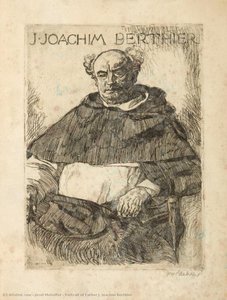
11Strange garden (1903) de Józef MehofferStrange garden1903 · Muzeul Național din Varșovia 12Portrait of Wife (1904) de Józef MehofferPortrait of Wife1904 · Muzeul Național din Cracovia 13Paon (Sketches by the Artists of the Young Poland from the Café "Paon" of Ferdynand Turliński) (1899) de Józef MehofferPaon (Sketches by the Artists of the Young Poland from the Café "Paon" of Ferdynand Turliński)1899 · Muzeul Național din Cracovia 14Three angels (1901) de Józef MehofferThree angels1901 · Muzeul Național din Varșovia 15Head of a girl against gold background (1901) de Józef MehofferHead of a girl against gold background1901 · Muzeul Național din Varșovia 16Portrait of Iza Axentowicz (nee Giełgud) (1907) de Józef MehofferPortrait of Iza Axentowicz (nee Giełgud)1907 · Muzeul Național din Varșovia 17Portrait of artist's wife, Jadwiga (nee Janakowska) (1907) de Józef MehofferPortrait of artist's wife, Jadwiga (nee Janakowska)1907 · Muzeul Național din Varșovia 18Portrait of Maksymilian Ehrenpreis (1911) de Józef MehofferPortrait of Maksymilian Ehrenpreis1911 · Muzeul Național din Varșovia 19Portrait of artist's wife with Pegasus. (1913) de Józef MehofferPortrait of artist's wife with Pegasus.1913 · Museum of Art in Łódź 20Vita somnium breve (1906) de Józef MehofferVita somnium breve1906 · Muzeul Național din Cracovia 21Planty Park in Kraków (1898) de Józef MehofferPlanty Park in Kraków1898 · Muzeul Național din Varșovia 22Our Lady Victorious (1898) de Józef MehofferOur Lady Victorious1898 · Fribourg Cathedral 23Head of a Model (1896) de Józef MehofferHead of a Model1896 24La Gorge d'Areuse (1897) de Józef MehofferLa Gorge d'Areuse1897 · Muzeum Narodowe w Pozaniu 25The Muse (1897) de Józef MehofferThe Muse1897 · Muzeum Narodowe w Warszawie 26The Mantelpiece (1895) de Józef MehofferThe Mantelpiece1895 · Muzeum Narodowe w Pozaniu 27Main Market Square in Krakow (1903) de Józef MehofferMain Market Square in Krakow1903 · Muzeul Național din Cracovia 28Landscape, sketch for “Strange garden” (1902) de Józef MehofferLandscape, sketch for “Strange garden”1902 · Muzeul Național din Varșovia 29Eucharist (1901) de Józef MehofferEucharist1901 · Fribourg Cathedral 30The Farewell (1900) de Józef MehofferThe Farewell1900 31Three Kings (1905) de Józef MehofferThree Kings1905 · Fribourg Cathedral 32The Florentine Portrait of the Artist's Wife (1900) de Józef MehofferThe Florentine Portrait of the Artist's Wife1900 33Martyrs (1905) de Józef MehofferMartyrs1905 · Fribourg Cathedral 34May sun (1911) de Józef MehofferMay sun1911 · Muzeul Național din Varșovia 35Zinnias (1911) de Józef MehofferZinnias1911 · Muzeul Național din Varșovia 36St. George, Michael, Anne and Mary Magdalene (1910) de Józef MehofferSt. George, Michael, Anne and Mary Magdalene1910 · Fribourg Cathedral 37Saints bishops and deacons (St. Stephen, Lawrence, Martin of Tours and Claudio of Besançon), (1917) de Józef MehofferSaints bishops and deacons (St. Stephen, Lawrence, Martin of Tours and Claudio of Besançon),1917 · Fribourg Cathedral 38Portrait of Father J. Joachim Berthier (1918) de Józef MehofferPortrait of Father J. Joachim Berthier1918 39Portrait of Juliusz Kossak de Józef MehofferPortrait of Juliusz KossakMuzeul Național din Varșovia 40Allegory of Prosperity de Józef MehofferAllegory of Prosperity 41Mosaic in the Armenian Cathedral in Lviv de Józef MehofferMosaic in the Armenian Cathedral in Lviv 42Wife's portrait (1909) de Józef MehofferWife's portrait1909 · Silesian Museum in Katowice 43Red Umbrella (1917) de Józef MehofferRed Umbrella1917 · Muzeul Național din Cracovia

Subiectele care i-au captivat privirea lui Józef Mehoffer

Cele patru teme care revin cel mai des în aceste opere originale, fiecare având cel mai sublim exemplu.

Muzeele care păstrează originalele lui Józef Mehoffer

Cele 7 muzee care dețin cele mai multe dintre picturile de pe această pagină.

Muzee Oraș Lucrări lui Józef Mehoffer Picturi din această listă
Muzeul Național din Varșovia, VarșoviaMuzeul Național din Varșovia Varșovia 17 Wife’s portrait study, sketch for “Strange garden”, Iza Axentowicz, Portrait of Wanda Strażyńska
Muzeul Național din Cracovia, CracoviaMuzeul Național din Cracovia Cracovia 8 Self-Portrait (1898), Self-Portrait, Sketch to the Painting "Conversation"
Fribourg Cathedral, FribourgFribourg Cathedral Fribourg 6 Our Lady Victorious, Eucharist, Three Kings
Muzeum Narodowe w Pozaniu, PoznańMuzeum Narodowe w Pozaniu Poznań 2 La Gorge d'Areuse, The Mantelpiece
Museum of Art in Łódź, ŁódźMuseum of Art in Łódź Łódź 1 Portrait of artist's wife with Pegasus.
Muzeum Narodowe w Warszawie, WarsawMuzeum Narodowe w Warszawie Warsaw 1 The Muse
Silesian Museum in Katowice, KatowiceSilesian Museum in Katowice Katowice 1 Wife's portrait

Józef Mehoffer, o pictură emblematică pe deceniu

Lucrări pe deceniu

Alege o deceniu pentru a descoperi opera originală care îl definește.

Picturile lui Józef Mehoffer: răspunsurile galeriei

Care este cea mai celebră pictură a lui Józef Mehoffer?Află răspunsul

Wife’s portrait study, sketch for “Strange garden” (1902), Muzeul Național din Varșovia, Varșovia. Urmează Marshal Milkowski (1885) și Iza Axentowicz (1907).

Ce vârstă avea Józef Mehoffer când a finalizat Wife’s portrait study, sketch for “Strange garden”?Află răspunsul

33 ani: Wife’s portrait study, sketch for “Strange garden” datează din 1902, iar Józef Mehoffer s-a născut în 1869.

Care sunt cele mai importante 10 picturi ale lui Józef Mehoffer?Află răspunsul

Wife’s portrait study, sketch for “Strange garden”, Marshal Milkowski, Iza Axentowicz, Portrait of Wanda Strażyńska, Portrait of sculptor Konstanty Laszczka., Self-Portrait (1898), Self-Portrait, Sketch to the Painting "Conversation", Self-portrait și Village girl. Clasamentul de mai sus indică anul și muzeul pentru fiecare piesă.

Câte lucrări a creat Józef Mehoffer?Află răspunsul

Catalogul nostru cuprinde 43 lucrări ale lui Józef Mehoffer, datate între 1885 și 1918.

Unde sunt expuse cele mai celebrele opere originale ale lui Józef Mehoffer?Află răspunsul

În principal în Muzeul Național din Varșovia (Varșovia), Muzeul Național din Cracovia (Cracovia) și Fribourg Cathedral (Fribourg). Tabelul cu muzee de mai sus le enumeră pe toate.

Când a creat Józef Mehoffer cele mai faimoase picturi?Află răspunsul

În 1900s: 17 dintre cele 43 lucrări de pe această pagină au fost realizate atunci, fiind Wife’s portrait study, sketch for “Strange garden” dintre acestea.

Care sunt cele mai vechi și cele mai recente opere celebre ale lui Józef Mehoffer?Află răspunsul

Pe această pagină, cea mai veche lucrare datează din Marshal Milkowski (1885), iar cea mai recentă este din Portrait of Father J. Joachim Berthier (1918).

La ce subiecte s-a întors cel mai des Józef Mehoffer?Află răspunsul

Portrait (3) și Woman (2), din cele 43 lucrări de pe această pagină.

În ce tehnică a lucrat cel mai mult Józef Mehoffer?Află răspunsul

Oil On Canvas, pentru 2 dintre cele 43 lucrări de pe această pagină.

Cu ce mișcare este asociat(ă) Józef Mehoffer?Află răspunsul

Art nouveau, judecând după originalele de pe această pagină.

Ce opere originale ale lui Józef Mehoffer deține Muzeul Național din Varșovia?Află răspunsul

Wife’s portrait study, sketch for “Strange garden”, Iza Axentowicz și Portrait of Wanda Strażyńska: Muzeul Național din Varșovia, Varșovia deține 17 dintre lucrările de pe această pagină.

Józef Mehoffer: artistul

A Life of Color and Glass

Józef Mehoffer arrived in the world in Ropczyce, Poland, in 1869, though his path to the easel was not immediate. Before he embraced the brush, he pursued legal studies, a direction that only shifted after a gift of paints revealed a different vocation. He sought formal training at the Academy of Fine Arts in Kraków under Władysław Łuszczkiewicz, later expanding his horizons through studies in Vienna and Paris at the Académie Colarossi. This period of wandering through Europe’s great art centers allowed him to absorb the diverse currents of his era.

His work became a bridge between the academic traditions of his teachers, such as Jan Matejko, and the emerging avant-garde. He moved with ease between easel painting and the monumental demands of decorative arts. Whether working on portraits, landscapes, or intricate book illustrations, Mehoffer sought a fusion of form and color. His style grew to include elements of Post- Impressionism and the Secession movement, often utilizing bold palettes and fluid lines that mirrored the organic spirit of Art Nouveau.

The Light of Fribourg

While his presence was felt throughout Poland, Mehoffer achieved significant recognition through his work in Switzerland. Between 1895 and 1936, he dedicated decades to a cycle of thirteen stained-glass compositions for the Cathedral of St. Nicholas in Fribourg. This undertaking required immense technical precision, as he treated the lead came not merely as a structural necessity but as an autonomous graphic line. He selected glass of varying thicknesses and textures, using silver stain and vitreous black to manipulate how light moved through the windows.

The success of these windows brought him international attention. At the 1900 Paris World's Fair, his window titled The Martyrs earned a gold medal. This period of his life saw him blending Polish folk motifs with the sophisticated aesthetics of European Art Nouveau. His ability to translate complex religious and symbolic themes into luminous glass remains a central part of his professional identity.

A Decorative Legacy

Mehoffer’s creative output was remarkably broad, refusing to be confined to a single medium. He was as much a designer of furniture, textiles, and posters as he was a painter of canvases. His hand could be found in the mosaics of the Armenian Cathedral in Lviv and the frescoes of Wawel Cathedral. In 1897, he helped found the society Sztuka, an organization that sought to assert the independence of Polish art from the influence of occupying powers.

In his later years, Mehoffer established a home and studio on Krupnicza Street in Kraków. This house, which he purchased in 1932, became a center for musical and literary gatherings, reflecting his role as a figure of the Polish intelligentsia. He lived through the profound shifts of the early twentieth century, continuing to work even during the hardships of the Second World War. When he passed away in Wadowice in 1946, he left behind a body of work that spanned the transition from nineteenth-century tradition to the modern decorative era.