


1


Actualizat Noiembrie 2026 · clasat în funcție de scorul nostru de popularitate (căutări, vizite și comenzi pentru fiecare operă) · 5 lucrări ale lui John Michael Williams în catalogul nostru
Pe scurt
James Gibbs (1682–1754) (1752) este pictura lui John Michael Williams care atrage cele mai multe priviri; originalul aparține Bodleian Libraries, Oxford. După aceasta, privirea se îndreaptă către Gustavus Waltz (1732–1750) (1750) și James Monro (1680–1752) (1747). Dintre cele 5 opere ale lui John Michael Williams din catalogul nostru, acestea 5 sunt cele mai celebre, fiecare fiind o piesă unică, prezentată împreună cu anul creării, muzeul deținător și motivul pentru care aceasta rămâne memorabilă.
Cele 3 muzee care dețin cele mai multe dintre picturile de pe această pagină.
| Muzee | Oraș | Lucrări lui John Michael Williams | Picturi din această listă |
|---|---|---|---|
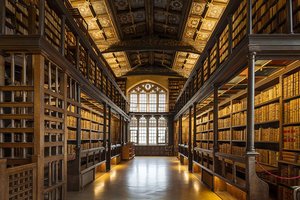 Bodleian Libraries |
Oxford | 2 | James Gibbs (1682–1754), William King (1685–1763) |
 Royal College of Music |
London | 1 | Gustavus Waltz (1732–1750) |
 National Portrait Gallery |
Londra | 1 | James Gibbs |
Între 1747 și 1752, în total 6 ani, John Michael Williams a creat fiecare original datat prezentat aici: o perioadă scurtă, urmată an de an.
Alege un an pentru a vedea originalele acestuia.


James Gibbs (1682–1754) (1752), Bodleian Libraries, Oxford. Urmează Gustavus Waltz (1732–1750) (1750) și James Monro (1680–1752) (1747).
42 ani: James Gibbs (1682–1754) datează din 1752, iar John Michael Williams s-a născut în 1710.
Catalogul nostru cuprinde 5 lucrări ale lui John Michael Williams, datate între 1747 și 1752.
În principal în Bodleian Libraries (Oxford), Royal College of Music (London) și National Portrait Gallery (Londra). Tabelul cu muzee de mai sus le enumeră pe toate.
În 1750: 2 dintre cele 5 lucrări de pe această pagină au fost realizate atunci, fiind Gustavus Waltz (1732–1750) dintre acestea.
Pe această pagină, cea mai veche lucrare datează din James Monro (1680–1752) (1747), iar cea mai recentă este din James Gibbs (1682–1754) (1752).
James Gibbs (1682–1754) și William King (1685–1763): Bodleian Libraries, Oxford deține 2 dintre lucrările de pe această pagină.
John Michael Williams, a name perhaps less instantly recognizable than some of his contemporaries, nevertheless stands as a quietly powerful figure in 18th-century British art. Born around 1710 – though precise dates remain elusive – and tragically passing away circa 1780, Williams’s career unfolded during a period of significant artistic transition, bridging the formality of the late Baroque with the burgeoning naturalism of the Rococo and early Neoclassicism. His work, primarily focused on portraiture and landscape painting, offers a compelling glimpse into the social fabric and evolving aesthetic sensibilities of his time, revealing an artist deeply attuned to both the grandeur of aristocratic life and the gritty realities of urban existence.
Williams’s artistic journey is inextricably linked to William King, a prominent figure in the art world of the era. Records suggest a close professional relationship between the two men, with Williams often working as a draughtsman or assistant for King. This association undoubtedly shaped his early development, exposing him to King's meticulous technique and established style. However, while influenced by his mentor, Williams quickly developed a distinctive voice, characterized by a remarkable ability to capture subtle nuances of expression and atmosphere. His portraits, in particular, are notable for their psychological depth—he wasn’t merely rendering likenesses; he was attempting to convey the inner lives of his subjects.
A significant portion of Williams's oeuvre consists of portraiture, predominantly featuring members of the landed gentry and nobility. These works aren’t simply formal representations; they are imbued with a sense of intimacy and observation. He skillfully employed light and shadow to sculpt features, revealing character through subtle shifts in expression. His ability to capture fleeting moments—a raised eyebrow, a thoughtful gaze—is particularly remarkable. Alongside his portraiture, Williams produced a series of landscapes that offer a contrasting perspective on the era. These paintings often depict scenes of rural life, capturing the beauty and tranquility of the English countryside. However, even in these idyllic settings, there’s an underlying awareness of human presence and activity, suggesting a keen interest in the relationship between humanity and nature.
The influence of James Gibbs, another artist associated with King, can also be detected in Williams's work, particularly in his use of architectural elements within portraits. Gibbs was renowned for his elegant designs for country houses and classical buildings, and Williams adopted a similar approach to incorporating architectural details into his compositions—a subtle nod to the prevailing artistic trends of the time. Furthermore, there’s evidence suggesting that Gustavus Waltz, a contemporary artist known for his dramatic landscapes, may have influenced Williams's handling of light and color, particularly in his depictions of atmospheric effects.
Despite the relative obscurity of John Michael Williams during his lifetime, his work has recently experienced a resurgence of interest among art historians and collectors. His paintings are now frequently featured in exhibitions at institutions such as Art UK and MutualArt, where their historical context and artistic merit are increasingly recognized. The rediscovery of these works offers valuable insights into the artistic landscape of 18th-century Britain—a testament to the enduring power of a talented artist who quietly observed and captured the essence of his time.
As previously mentioned, Williams’s early career was deeply intertwined with that of William King. The precise nature of their collaboration remains somewhat shrouded in historical ambiguity, but it's clear that King served as a crucial mentor and guide during Williams’ formative years. King, himself a highly accomplished painter and draughtsman, possessed an established reputation within the art world, and his influence undoubtedly shaped Williams’ technical skills and artistic sensibilities. The fact that Williams frequently worked as King’s assistant suggests a hierarchical relationship, but it also highlights the value King placed on Williams's abilities—a recognition of his potential as a talented artist.
The shared studio environment likely fostered a dynamic exchange of ideas and techniques. Williams undoubtedly learned from King’s meticulous attention to detail, his mastery of composition, and his ability to render realistic textures and surfaces. However, it was Williams who ultimately developed his own distinctive style—a blend of technical proficiency and artistic vision that set him apart from his mentor. The influence of King is most evident in Williams's early portraits, which share a similar formality and attention to detail with King’s own work. However, as Williams’s career progressed, he gradually moved away from the more rigid conventions of King’s style, embracing a looser, more expressive approach.
The collaboration between Williams and King represents a fascinating example of artistic mentorship in 18th-century Britain—a period when established artists often took on younger apprentices and provided them with opportunities to develop their skills. While the exact details of their working relationship remain somewhat elusive, it’s clear that this partnership played a significant role in shaping Williams's artistic trajectory.
Williams’s portraiture offers a unique window into the social and cultural life of 18th-century Britain. His subjects—members of the landed gentry, nobility, and wealthy merchants—represent the elite strata of society, providing valuable insights into their customs, values, and aspirations. However, Williams's portraits are not simply superficial representations of wealth and status; they also reveal a keen awareness of social dynamics and power relations.
He skillfully employed visual cues to convey information about his subjects’ social standing—clothing, jewelry, and accessories all served as indicators of their wealth and influence. Furthermore, Williams paid close attention to the expressions and gestures of his sitters, capturing subtle nuances of personality and demeanor. These details suggest that he was not merely interested in creating flattering likenesses; he was attempting to capture something deeper about his subjects’ inner lives.
The portraits also offer a glimpse into the prevailing social norms and expectations of the time. The formal poses, elaborate costumes, and carefully orchestrated settings reflect the importance of appearances and social etiquette. However, Williams's portraits are not entirely devoid of spontaneity—there’s often a sense of relaxed intimacy that suggests he was able to forge genuine connections with his sitters. This ability to capture both formality and informality is one of the hallmarks of Williams’s artistic style.
Despite his relatively limited recognition during his lifetime, John Michael Williams's work has experienced a remarkable revival in recent years. His paintings are now frequently featured in exhibitions at institutions such as Art UK and MutualArt, where their historical context and artistic merit are increasingly appreciated. This renewed interest reflects a broader trend among art historians and collectors to reassess the contributions of overlooked artists—individuals who may have been overshadowed by more prominent figures during their time.
The rediscovery of Williams’s work offers valuable insights into the artistic landscape of 18th-century Britain—a period marked by significant social, political, and cultural change. His paintings provide a compelling glimpse into the lives of the elite strata of society, revealing both the grandeur and the complexities of their world. Furthermore, his ability to capture subtle nuances of expression and atmosphere demonstrates his remarkable artistic talent and sensitivity.
As art historians continue to study and interpret Williams’s work, it's likely that we will gain an even deeper understanding of his place in the history of British art. His legacy—once largely forgotten—is now being rightfully recognized as a testament to the enduring power of a talented artist who quietly observed and captured the essence of his time.


