Portretul lui John Crome

Cele 54 cele mai faimoase picturi ale lui John Crome, fiecare unică în felul ei

Actualizat Octombrie 2026 · clasat în funcție de scorul nostru de popularitate (căutări, vizite și comenzi pentru fiecare operă) · 54 lucrări ale lui John Crome în catalogul nostru

Pe scurt

Boys Bathing on the River Wensum, Norwich (1817) este pictura lui John Crome care atrage cele mai multe priviri; originalul aparține Yale Center for British Art, New Haven. După aceasta, privirea se îndreaptă către Grove Scene (1820) și Slate Quarries (1803). Dintre cele 54 opere ale lui John Crome din catalogul nostru, acestea 54 sunt cele mai celebre, fiecare fiind o piesă unică, prezentată împreună cu anul creării, muzeul deținător și motivul pentru care aceasta rămâne memorabilă.

1768 – 1821, Norwich Romanticism Cele mai multe lucrări: Yale Center for British Art

Cele mai importante 10 picturi ale lui John Crome, prin ochii galeriei

1
Boys Bathing on the River Wensum, Norwich (1817) de John Crome

Boys Bathing on the River Wensum, Norwich

1817 · Oil On Canvas · Yale Center for British Art, New Haven

Boys Bathing on the River Wensum, Norwich – A Reflection of Norfolk’s Soul John Crome's “Boys Bathing on the River Wensum, Norwich” isn’t merely a depiction of a picturesque riverside scene; it’s a distillation of the very spirit of Norfolk—a region steeped in tradition and celebrated for its understated beauty. Painted in 1817 during the height of the Romantic era, this landscape masterpiece encapsulates the fascination with nature that characterized…

2
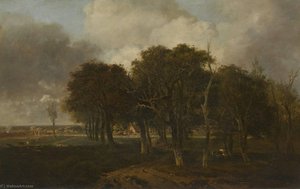
Grove Scene (1820) de John Crome

Grove Scene

1820 · Oil On Canvas · Norwich Castle Museum And Art Gallery, Norwich

A small clearing within a Norfolk forest provides the setting for this 1820 oil on canvas. Two figures stand amidst the trees, appearing as quiet observers of the landscape. Nearby, a horse grazes in the grass, contributing to the pastoral stillness of the scene. The composition uses these figures to anchor the expansive vista, establishing a connection between the human presence and the natural environment.

6
A Mountain Scene (1806) de John Crome

A Mountain Scene

1806 · Oil · Scottish National Gallery, Edinburgh

In his 1806 masterpiece, A Mountain Scene, John Crome captures a panoramic vista of East Anglian hills, a scene that serves as a profound embodiment of Romantic ideals. The composition is dominated by a substantial rock outcrop in the foreground, its rugged presence acting as a symbol of resilience and permanence against the relentless forces of time and weather. Through a skillful application of perspective, Crome draws the viewer’s gaze…

Păiți celebrele picturi ale lui John Crome, de la numărul 11 la 54

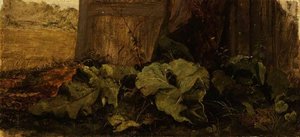
11The Beaters (1810) de John CromeThe Beaters1810 · Scottish National Gallery 12Yarmouth Jetty (1810) de John CromeYarmouth Jetty1810 · Yale Center for British Art 13Woodland Landscape near Norwich (1810) de John CromeWoodland Landscape near Norwich1810 · Yale Center for British Art 14View near Thorpe; Moonlight scene (1807) de John CromeView near Thorpe; Moonlight scene1807 · Vanderbilt Museum of Art 15Hautbois Common, Norfolk (1810) de John CromeHautbois Common, Norfolk1810 · Metropolitan Museum of Art 16High Tor, Matlock (1811) de John CromeHigh Tor, Matlock1811 · Fitzwilliam Museum 17Hautbois Common, Norfolk (1810) de John CromeHautbois Common, Norfolk1810 18Dock Leaves (1813) de John CromeDock Leaves1813 · Norwich Castle Museum And Art Gallery 19A Heath Scene: Sun after Storm (1818) de John CromeA Heath Scene: Sun after Storm1818 · National Gallery of Ireland 20A Windmill near Norwich (1816) de John CromeA Windmill near Norwich1816 21Yarmouth Harbour - Evening (1817) de John CromeYarmouth Harbour - Evening1817 22The Poringland Oak (1819) de John CromeThe Poringland Oak1819 23A Sandy Bank (1820) de John CromeA Sandy Bank1820 · Scottish National Gallery 24The Harling Gate (1817) de John CromeThe Harling Gate1817 · Vanderbilt Museum of Art 25The Edge of the Forest (1821) de John CromeThe Edge of the Forest1821 · Vanderbilt Museum of Art 26Landscape with Trees and Cattle (1820) de John CromeLandscape with Trees and Cattle1820 27Marlingford Grove (1815) de John CromeMarlingford Grove1815 28Mousehold Heath, Norwich (1820) de John CromeMousehold Heath, Norwich1820 29The Fish Market, Boulogne, France (1820) de John CromeThe Fish Market, Boulogne, France1820 · Norwich Castle Museum And Art Gallery 30Moonlight on the Yare (1817) de John CromeMoonlight on the Yare1817 · National Gallery of Art 31Moonrise on the Yare ( ) (1816) de John CromeMoonrise on the Yare ( )1816 32Ruined Buildings de John CromeRuined BuildingsNational Gallery of Canada 33Windmill near Norwich de John CromeWindmill near NorwichMuzeul de Artă Plastică din Boston 34Landscape Edge of a Wood (1820) de John CromeLandscape Edge of a Wood1820 · Courtauld Gallery 35The Lime Kiln (1806) de John CromeThe Lime Kiln1806 36An Egyptian Poppy and a Water Mole (1812) de John CromeAn Egyptian Poppy and a Water Mole1812 · Yale Center for British Art 37View near Weymouth de John CromeView near WeymouthDetroit Institute of Arts 38A sandy hollow de John CromeA sandy hollowFitzwilliam Museum 39Yarmouth Beach de John CromeYarmouth BeachYale University Art Gallery 40A Barge with a Wounded Soldier de John CromeA Barge with a Wounded SoldierYale Center for British Art 41Moonlight Norwich, Norfolk de John CromeMoonlight Norwich, NorfolkRussell 42The Edge of the Forest de John CromeThe Edge of the Forest 43Landscape with a Waterfall near Norwich, Norfolk, 1819 de John CromeLandscape with a Waterfall near Norwich, Norfolk, 1819The Wilson: Cheltenham Art Gallery And Museum 44Wooded Landscape with an Oak de John CromeWooded Landscape with an Oak 45The Mill de John CromeThe MillNorfolk Museums 46Moonlight de John CromeMoonlight 47Mousehold Heath de John CromeMousehold Heath 48The Mill (after Rembrandt van Rijn) de John CromeThe Mill (after Rembrandt van Rijn)Norfolk Museums 49Lane near Norwich de John CromeLane near NorwichWolverhampton Art Gallery 50Landscape with a Cottage and Trees de John CromeLandscape with a Cottage and TreesNorfolk Museums 51The Ploughman de John CromeThe PloughmanSheffield City Art Galleries 52Peisaj cu Râu de John CromePeisaj cu RâuSheffield City Art Galleries 53Mousehold Heath, Norwich (1819) de John CromeMousehold Heath, Norwich1819 54The River Wensum, Norwich (1814) de John CromeThe River Wensum, Norwich1814 · Yale Center for British Art

Subiectele care i-au captivat privirea lui John Crome

Cele patru teme care revin cel mai des în aceste opere originale, fiecare având cel mai sublim exemplu.

Muzeele care păstrează originalele lui John Crome

Cele 8 muzee care dețin cele mai multe dintre picturile de pe această pagină.

Muzee Oraș Lucrări lui John Crome Picturi din această listă
Yale Center for British Art, New HavenYale Center for British Art New Haven 6 Boys Bathing on the River Wensum, Norwich, Yarmouth Jetty, Woodland Landscape near Norwich
Scottish National Gallery, EdinburghScottish National Gallery Edinburgh 4 A Mountain Scene, The Bell Inn, The Beaters
Norwich Castle Museum And Art Gallery, NorwichNorwich Castle Museum And Art Gallery Norwich 3 Grove Scene, Dock Leaves, The Fish Market, Boulogne, France
Vanderbilt Museum of Art Nashville 3 View near Thorpe; Moonlight scene, The Harling Gate, The Edge of the Forest
Norfolk Museums, NorwichNorfolk Museums Norwich 3 The Mill, The Mill (after Rembrandt van Rijn), Landscape with a Cottage and Trees
Birmingham Museum and Art Gallery, BirminghamBirmingham Museum and Art Gallery Birmingham 2 The Way Through the Wood, View At Blofield, Near Norwich
National Gallery of Canada, OttawaNational Gallery of Canada Ottawa 2 The Old Oak, Ruined Buildings
Fitzwilliam MuseumFitzwilliam Museum 2 High Tor, Matlock, A sandy hollow

John Crome de-a lungul deceniilor: o piesă unică pentru fiecare

Lucrări pe deceniu

Alege o deceniu pentru a descoperi opera originală care îl definește.

Picturile lui John Crome: întrebări pentru galerie

Care este cea mai celebră operă a lui John Crome?Află răspunsul

Boys Bathing on the River Wensum, Norwich (1817), Yale Center for British Art, New Haven. Urmează Grove Scene (1820) și Slate Quarries (1803).

La ce vârstă a creat John Crome Boys Bathing on the River Wensum, Norwich?Află răspunsul

49 ani: Boys Bathing on the River Wensum, Norwich datează din 1817, iar John Crome s-a născut în 1768.

Care sunt cele mai celebre zece picturi ale lui John Crome?Află răspunsul

Boys Bathing on the River Wensum, Norwich, Grove Scene, Slate Quarries, The Willow, Sheds and Old Houses on the Yare, A Mountain Scene, The Way Through the Wood, View At Blofield, Near Norwich, The Old Oak și The Bell Inn. Clasamentul de mai sus indică anul și muzeul pentru fiecare piesă.

Câte lucrări ale lui John Crome sunt cunoscute?Află răspunsul

Catalogul nostru cuprinde 54 lucrări ale lui John Crome, datate între 1800 și 1821.

Unde pot fi vizualizate originalele celor mai faimoși John Crome?Află răspunsul

În principal în Yale Center for British Art (New Haven), Scottish National Gallery (Edinburgh) și Norwich Castle Museum And Art Gallery (Norwich). Tabelul cu muzee de mai sus le enumeră pe toate.

În ce perioadă a creat John Crome cele mai cunoscute picturi?Află răspunsul

În 1810s: 22 dintre cele 54 lucrări de pe această pagină au fost realizate atunci, fiind Boys Bathing on the River Wensum, Norwich dintre acestea.

Care este cea mai veche și care este cea mai recentă pictură a lui John Crome?Află răspunsul

Pe această pagină, cea mai veche lucrare datează din The Willow (1800), iar cea mai recentă este din The Edge of the Forest (1821).

Ce teme prefera John Crome?Află răspunsul

Landscape (11), Norfolk (6) și Rural scene (4), din cele 54 lucrări de pe această pagină.

Cu ce materiale a pictat cel mai des John Crome?Află răspunsul

Oil On Canvas, pentru 4 dintre cele 54 lucrări de pe această pagină.

Din ce curent artistic face parte opera lui John Crome?Află răspunsul

Romanticism, judecând după originalele de pe această pagină.

Ce originale de John Crome pot vedea la Yale Center for British Art?Află răspunsul

Boys Bathing on the River Wensum, Norwich, Yarmouth Jetty și Woodland Landscape near Norwich: Yale Center for British Art, New Haven deține 6 dintre lucrările de pe această pagină.

John Crome: un portret al artistului

John Crome (1768–1821) - Norfolk Museums Collections

John Crome, affectionately known as “Old Crome” to distinguish him from his artist son, stands as a pivotal figure in British art history—a founder and leading light of the celebrated Norwich School. Born in 1768 in the bustling market town of Norwich, Norfolk, Crome’s journey was one of remarkable self-education and dedication, rising from humble beginnings to become a respected landscape painter who captured the very essence of his beloved East Anglian countryside. His father, a weaver, instilled a strong work ethic, but it was an apprenticeship with house, coach, and sign painter Francis Whisler that first nurtured Crome’s artistic inclinations, providing him with foundational skills in design and color. This practical training proved invaluable as he began to explore his passion for depicting the natural world around him. A formative friendship with Robert Ladbrooke, a fellow aspiring artist, further fueled his development; together they sketched en plein air, honing their observational abilities and sharing a burgeoning enthusiasm for art.

Early Life and Artistic Training

John Crome was born on December 22, 1768, in Norwich, Norfolk, the son of John Crome, a publican and journeyman weaver, and Elizabeth. He was baptized on Christmas Day at St George’s Church, Tombland. The history of Crome's early years has often been embellished with anecdote, but a few facts do emerge. In 1783 Crome was apprenticed to Francis Whisler, a house, coach, and sign painter, his indentures taking effect from August 1st (though dated October 15th). As well as being among the first Norwich contemporaries to pursue artistic training, Crome’s early artistic inclinations were nurtured by exposure to the art collections of Thomas Harvey, a wealthy Norfolk collector who championed the burgeoning Norwich School movement. Harvey's patronage provided Crome with invaluable access to masterpieces by artists like Gainsborough and Hobbema—works that profoundly shaped his aesthetic sensibilities and compositional techniques. This formative influence cemented Crome’s connection to the wider artistic community and instilled in him a lifelong appreciation for observing nature as a source of inspiration.

The Norwich School: Founding Principles

Crome's artistic trajectory was decisively influenced by the establishment of the Norwich Society of Artists in 1803, alongside Robert Ladbrooke. This bold initiative represented a radical departure from prevailing artistic conventions—a conscious rejection of academic formalism and an embrace of direct observation as paramount to capturing the spirit of Norfolk’s landscape. The Society's members shared a commitment to portraying their region with honesty and accuracy, prioritizing atmospheric effects and tonal subtleties over idealized representations. Crome served as its president for many years, fostering a vibrant artistic environment and nurturing the talents of younger painters who would become prominent figures in the Norwich School movement. He championed the principles of *plein air* painting—working outdoors directly from nature—a technique that allowed artists to capture fleeting moments of light and color with unparalleled immediacy.

Style and Technique: Embracing Dutch Masters

Crome’s artistic style is characterized by a distinctive blend of Romantic idealism and meticulous realism. He drew heavily upon the techniques pioneered by Dutch painters of the seventeenth century, particularly Jacob van Ruisdael and Meindert Hobbema—artists who had established a tradition of depicting landscapes with subdued palettes and atmospheric perspective. Crome’s compositions are often simple yet powerfully evocative, focusing on carefully chosen viewpoints that emphasize the grandeur of Norfolk’s scenery. He employed a technique known as *sfumato*, blurring edges and softening contours to create an illusion of depth and luminosity—a stylistic hallmark of Venetian painters like Titian and Tintoretto. Crome's meticulous attention to detail—evident in his depictions of trees, rocks, and water—underscored his unwavering dedication to capturing the essence of Norfolk’s natural world with remarkable precision.

Legacy and Recognition

John Crome’s contribution extended far beyond his artistic output. The Norwich School he helped establish fostered a distinct regional artistic identity, nurturing generations of painters who followed in his footsteps. Though initially facing skepticism from London’s art establishment—a bastion of neoclassical ideals—Crome gained national recognition through thirteen exhibitions at the Royal Academy between 1806 and 1818. His paintings resonated with audiences across Britain, securing his place as one of England’s most important landscape painters. Furthermore, Crome's legacy endured beyond his lifetime, thanks to the enduring fascination with Norfolk’s landscapes—a fascination that continues to inspire artists today. As Charles Collins Baker eloquently remarked in 1923, “Our three greatest masters - Crome, Constable and Turner - demonstrate that landscape painting ... is peculiarly the business of the English genius.” His life serves as an inspiring testament to how artistic vision, coupled with a deep connection to one’s surroundings, can produce a body of work that transcends time. His paintings continue to captivate viewers with their quiet beauty, evocative atmosphere, and enduring connection to the heart of Norfolk.