Johan Mari Henri Ten Kate: Un pictor olandez al peisajului romantic
Johan Mari Henri Ten Kate (1859 – 1896) a devenit o figură proeminentă în mișcarea romantică de peisaj din Țările de Jos, captivând publicul prin reprezentările sale magistrale ale deșertului olandez senin și prin portretările evocate ale figurilor umane în mijlocul frumuseții naturale. Deși a fost umbrit de contemporani precum Israëls și Maris pe parcursul vieții sale, stilul distinctiv al lui Ten Kate — caracterizat prin palete cromatice luminoase și o atenție meticuloasă la detalii — continuă să rezoneze cu colecționarii și istoricii de artă și în prezent.- Născut în Amsterdam în 1859, Ten Kate a primit o educație artistică formală la Koninklijke Academie voor Beeldende Künsten (Academia Regală de Arte Frumoase) din Anvers, Belgia. Instructorii săi au inclus pe Willem Maris și Anton Mauve, figuri influente care au susținut tehnicile impresioniste și au încurajat studenții să surprindă momentele trecătoare ale luminii și atmosferei — un element crucial care a modelat viziunea artistică a lui Ten Kate.
Un stil romantic distinctiv
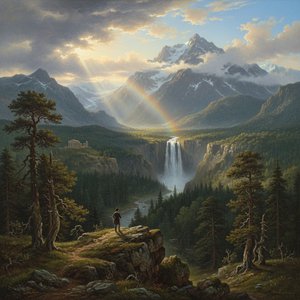
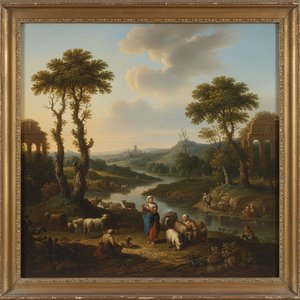
Opera lui Ten Kate se distinge de tendințele predominante ale epocii sale printr-o sensibilitate remarcabilă față de culoare și textură. Spre deosebire de mulți artiști care preferau tonurile mate, el a îmbrățișat nuanțe vibrante — în special albastru și verde — pentru a transmite măreția și liniștea peisajelor olandeze. Păturile sale de pensulă erau deliberate, dar fluide, stratificând pigmenții cu o precizie minuțioasă pentru a obține un sentiment de realism fără egal, oferind în același timp profunzime emoțională pânzelor sale. El a redat cu măiestrie efectele atmosferice, precum ceața și bruma, creând scene care păreau vii, pline de mișcare și îmbibate cu o senzație palpabilă de conexiune cu lumea naturală.- Printre cele mai celebrate opere ale lui Ten Kate se numără „Kite Flying” (1883) și „Seeking Shelter”, ambele capturând vederi olandeze esențiale. Aceste picturi exemplifică capacitatea sa de a transmite nu doar acuratețe vizuală, ci și rezonanță psihologică — privitorul este transportat într-o contemplare liniștită a unei după-amiezi însorate sau în îmbrățișarea reconfortantă a unei poienișuri adăpostite.
- Dincolo de peisaje, Ten Kate a realizat câteva portrete impresionante, demonstrând versatilitatea sa de artist. „The Young Couple” exemplifică observația sa meticuloasă și capacitatea de a surprinde expresii subtile de emoție — o dovadă a abilității sale artistice și a sensibilității sale umaniste.
Influențe și dezvoltare artistică
Călătoria artistică a lui Ten Kate a fost profund impactată de mișcarea impresionistă, condusă de Claude Monet și Pierre-Auguste Renoir. El a absorbit tehnicile lor de capturare a luminii și culorii, adaptându-le propriului stil distinctiv. Mai mult, a căutat inspirație la pictori romantici precum Caspar David Friedrich și Eugène Delacroix, ale căror accent pe peisajele sublime și pe narațiunile emoționale dramatice i-au modelat sensibilitățile artistice. Aceste influențe s-au combinat pentru a forja o estetică unică, care îmbină realismul cu frumusețea lirică.Moștenire și semnificație istorică
În ciuda faptului că a întâmpinat o relativ obscuritate pe parcursul vieții sale, moștenirea lui Johan Mari Henri Ten Kate persistă ca un exemplu de stăpânire a picturii romantice de peisaj olandez. Pânzele sale continuă să captiveze privitorii prin paletele lor cromatice luminoase și redarea magistrală a efectelor atmosferice — o amintire a puterii durabile a artei de a evoca emoție și de a surprinde esența unui loc și a unei perioade specifice. Astăzi, opera lui Ten Kate este apreciată pentru eleganța sa discretă și pentru conexiunea profundă cu lumea naturală, asigurându-și poziția de contributor important în istoria artistică olandeză.Întrebări și răspunsuri
Unde și când s-a născut Johan Mari Henri Ten Kate?
Johan Mari Henri Ten Kate s-a născut în Amsterdam, în anul 1859.
Câte opere de artă ale lui Johan Mari Henri Ten Kate pot fi vizualizate în catalog?
Puteți explora cele 47 de opere de artă de opere ale lui Johan Mari Henri Ten Kate pe pagina Toate operele de artă.
Unde pot fi găsite operele lui Johan Mari Henri Ten Kate, grupate pe mișcări artistice?
Stilurile în care a activat Johan Mari Henri Ten Kate pot fi vizualizate pe pagina de Toate mișcările de artă a artistului, care grupează operele pe mișcări artistice.