Portretul lui Gislebertus

Cele 11 cele mai faimoase picturi ale lui Gislebertus, fiecare unică în felul ei

Actualizat Octombrie 2026 · clasat în funcție de scorul nostru de popularitate (căutări, vizite și comenzi pentru fiecare operă) · 11 lucrări ale lui Gislebertus în catalogul nostru

Pe scurt

Tympanum of the main portal (detail) (1130) este pictura lui Gislebertus care atrage cele mai multe priviri; originalul aparține Catedrala Sfântului Lazăr din Autun, Autun. După aceasta, privirea se îndreaptă către Pilgrims (1120) și Last Judgment (detail) (1130). Dintre cele 11 opere ale lui Gislebertus din catalogul nostru, acestea 11 sunt cele mai celebre, fiecare fiind o piesă unică, prezentată împreună cu anul creării, muzeul deținător și motivul pentru care aceasta rămâne memorabilă.

1120 – 1135 Romanesque Cele mai multe lucrări: Catedrala Sfântului Lazăr din Autun

Cele mai importante 10 picturi ale lui Gislebertus, prin ochii galeriei

1
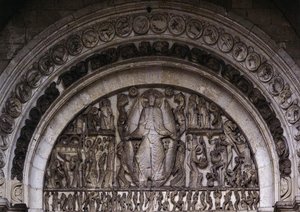
Tympanum of the main portal (detail) (1130) de Gislebertus

Tympanum of the main portal (detail)

The Tympanum of the main portal (detail) by Gislebertus emerges from the stone of the Saint-Lazare Cathedral in Autun, France. Created about 1130, this relief captures a profound moment of divine reckoning. It presents a scene from the Last Judgment, where the boundaries between the earthly and the eternal seem to dissolve. The figures move with a frantic, stylized energy that defines the Romanesque style. Every carved line speaks to…

2
Pilgrims (1120) de Gislebertus

Pilgrims

In the stone of Saint Lazare Cathedral in Autun, France, the relief titled Pilgrims captures a moment of quiet devotion. Created by the French Romanesque sculptor Gislebertus about 1120, the work depicts figures caught in a singular act of prayer. These travelers move through the heavy, carved medium to find a stillness in the midst of their movement. The stone holds the weight of their supplication.

3
Last Judgment (detail) (1130) de Gislebertus

Last Judgment (detail)

The work before us is the Last Judgment (detail) by Gislebertus. This relief carving, created about 1130, offers a focused view of the profound theological drama unfolding within the Saint-Lazare Cathedral in Autun, France. It is situated within the Кафедральний собор Святого Лазаря в Отюні, Autun, where it remains a central element of the cathedral's architectural and spiritual program.

10
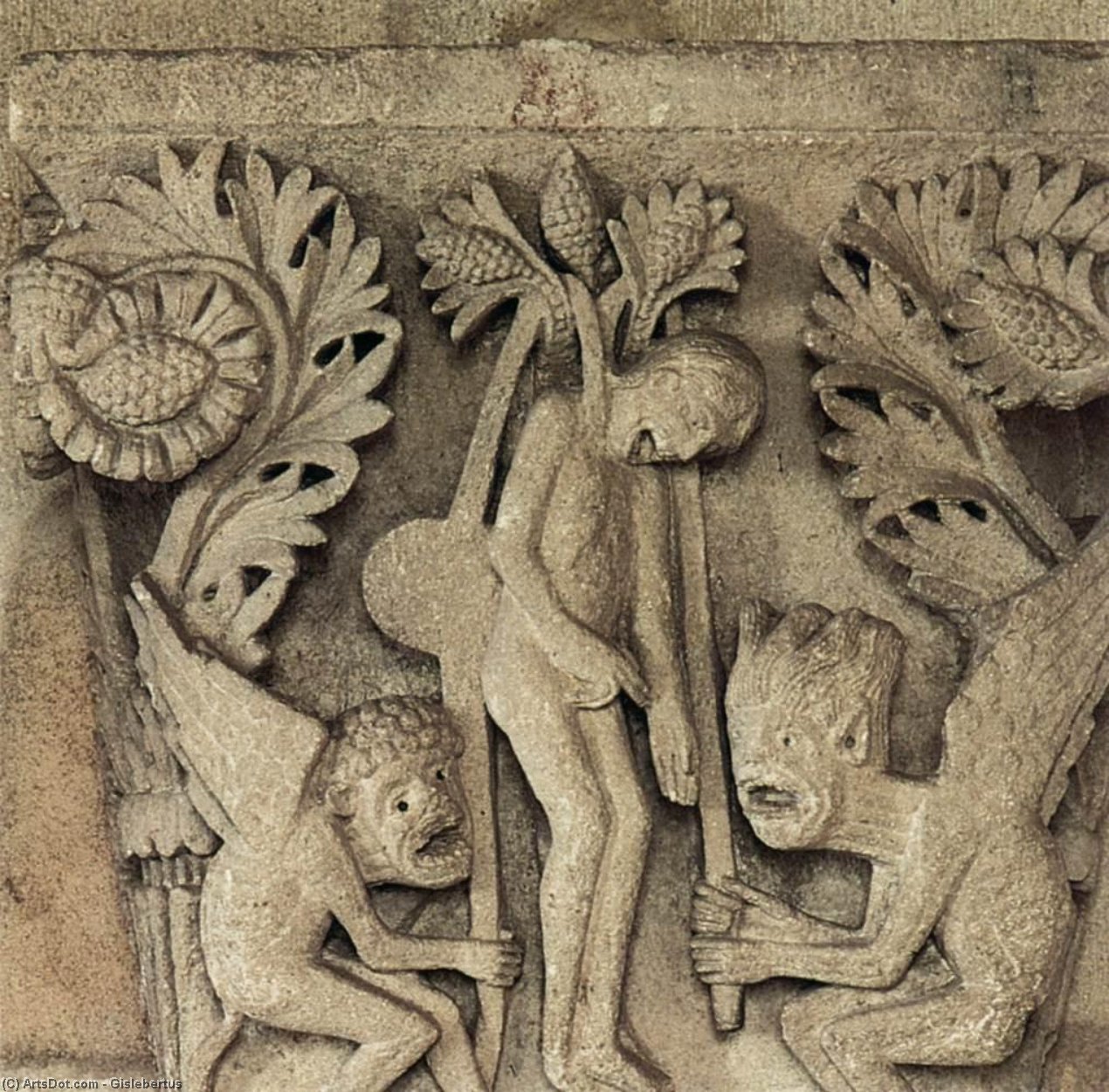
Suicideul lui Judas (1120) de Gislebertus

Suicideul lui Judas

1120 · Acrilic pe pânză întinsă · Catedrala Sfântului Lazăr din Autun, Autun

Gislebertus și Dramatismul Suicidului lui Judas: O Simfonie în Pietra Gislebertus este numele unei figuri emblematice în sculptură romanică, celebrată în primul rând pentru contribuția sa monumentală la Catedrala Sfântul Lazăr din Autun, Franța. Acest sculptor extraordinar a fost născut aproximativ în anul 1120 și a reprezentat vârful artistic al Burgundiei într-o perioadă dominată de fervoare religioasă și ambiție arhitecturală impresionantă. În ciuda faptului că informațiile biografice despre el rămân…

Păiți celebrele picturi ale lui Gislebertus, de la numărul 11 la 11

Subiectele care i-au captivat privirea lui Gislebertus

Cele patru teme care revin cel mai des în aceste opere originale, fiecare având cel mai sublim exemplu.

Muzeele care păstrează originalele lui Gislebertus

Cele 2 muzee care dețin cele mai multe dintre picturile de pe această pagină.

Muzee Oraș Lucrări lui Gislebertus Picturi din această listă
Catedrala Sfântului Lazăr din Autun, AutunCatedrala Sfântului Lazăr din Autun Autun 9 Tympanum of the main portal (detail), Pilgrims, Last Judgment (detail)
Musée Rolin, AutunMusée Rolin Autun 1 Eve

Gislebertus de-a lungul anilor: originalele unice ale fiecăruia

Toate originalele datate ale lui Gislebertus prezentate aici aparțin unui singur an, 1130: acestea sunt prezentate în ordinea celebrității.

Lucrări pe an

Alege un an pentru a vedea originalele acestuia.

Picturile lui Gislebertus: întrebări pentru galerie

Care este cea mai celebră operă a lui Gislebertus?Află răspunsul

Tympanum of the main portal (detail) (1130), Catedrala Sfântului Lazăr din Autun, Autun. Urmează Pilgrims (1120) și Last Judgment (detail) (1130).

La ce vârstă a creat Gislebertus Tympanum of the main portal (detail)?Află răspunsul

10 ani: Tympanum of the main portal (detail) datează din 1130, iar Gislebertus s-a născut în 1120.

Care sunt cele mai celebre zece picturi ale lui Gislebertus?Află răspunsul

Tympanum of the main portal (detail), Pilgrims, Last Judgment (detail), Dream of the Magi, Tympanum of the main portal, Eve, Last Judgment, Main portal, Last Judgment (detail) și Suicideul lui Judas. Clasamentul de mai sus indică anul și muzeul pentru fiecare piesă.

Câte lucrări ale lui Gislebertus sunt cunoscute?Află răspunsul

Catalogul nostru conține 11 lucrări ale lui Gislebertus.

Unde pot fi vizualizate originalele celor mai faimoși Gislebertus?Află răspunsul

În principal în Catedrala Sfântului Lazăr din Autun (Autun) și Musée Rolin (Autun). Tabelul cu muzee de mai sus le enumeră pe toate.

În ce perioadă a creat Gislebertus cele mai cunoscute picturi?Află răspunsul

În 1130: 7 dintre cele 11 lucrări de pe această pagină au fost realizate atunci, fiind Tympanum of the main portal (detail) dintre acestea.

Ce teme prefera Gislebertus?Află răspunsul

Medieval art (3), Autun cathedral (3) și People (2), din cele 11 lucrări de pe această pagină.

Cu ce materiale a pictat cel mai des Gislebertus?Află răspunsul

Stone, pentru 3 dintre cele 11 lucrări de pe această pagină.

Din ce curent artistic face parte opera lui Gislebertus?Află răspunsul

Romanesque, judecând după originalele de pe această pagină.

Ce originale de Gislebertus pot vedea la Catedrala Sfântului Lazăr din Autun?Află răspunsul

Tympanum of the main portal (detail), Pilgrims și Last Judgment (detail): Catedrala Sfântului Lazăr din Autun, Autun deține 9 dintre lucrările de pe această pagină.

Gislebertus: un portret al artistului

Gislebertus: The Sculptor of Autun Cathedral’s Divine Vision

Gislebertus, a name etched in stone and whispered through the centuries, stands as one of the most remarkable figures of Romanesque sculpture. Specifically celebrated for his profound contribution to Saint Lazare Cathedral in Autym, France, he emerged from the fertile artistic landscape of Burgundy during a period profoundly shaped by religious fervor and burgeoning architectural ambition. Born sometime around 1120, Gislebertus lived through an era where art served as the primary language of the faithful. While biographical details remain scarce, scholars believe he was trained at Cluny Abbey, arguably the epicenter of European monastic art and intellectual life at the time. This formative experience instilled in him a deep understanding of biblical narratives and imbued his work with an unwavering devotion to Christian themes.

His initial role at Cluny involved assisting the master sculptor, cementing his position within a tradition prioritizing didactic storytelling—conveying moral lessons through visual representation. The cathedral’s ambitious project demanded exceptional skill, and Gislebertus quickly established himself as a pivotal talent. Recognizing the importance of providing solace to pilgrims afflicted with leprosy—a prevalent ailment during the 12th century—the Abbey envisioned Saint Lazare as more than just a place of worship; it was intended as a sanctuary for the marginalized. This vision profoundly impacted Gislebertus’ artistic sensibilities, prompting him to create reliefs that resonated with compassion and hope, featuring imagery designed to uplift those facing immense suffering.

Mastery of Emotion and Narrative Relief

The true genius of Gislebertus lies in his ability to translate complex theological concepts into visceral, physical forms. His work at Autun is characterized by a dramatic use of line and shadow that breathes life into the cold stone. In masterpieces such as the Suicide of Judas, created around 1120-30, he captures the raw horror and despair associated with treason. Through the depiction of hanging figures and menacing demonic entities, Gisleberus showcases an exceptional skill in capturing human psychological torment, a hallmark of the Romanesque style that pushes the boundaries of medieval expression.

Beyond the scenes of tragedy, his work also celebrates the spiritual journey of the faithful. In his Pilgrims relief, one can observe a powerful depiction of devotion, where strong lines and dramatic shadows emphasize the physical and spiritual weight of the pilgrimage. This ability to oscillate between the terrifying aspects of divine judgment and the quiet strength of religious perseverance makes his oeuvre uniquely captivating. His sculptures do not merely decorate a building; they act as a window into the medieval soul, inviting the viewer to contemplate the eternal struggle between good and evil.

Legacy and Historical Significance

The artistic development of Gislebertus represents a crucial bridge in the evolution of European art. While his roots are firmly planted in the Romanesque tradition of Cluny, his expressive power and narrative complexity hint at the burgeoning naturalism that would later define Gothic art. His work on the Dream of the Magi further demonstrates this sophisticated approach to storytelling, blending historical reverence with a sense of wonder.

The enduring significance of Gislebertus can be summarized through several key contributions:

  • Narrative Innovation: He transformed architectural elements like tympanums into complex, readable storybooks for the illiterate masses.
  • Emotional Depth: He moved beyond static iconography to introduce psychological depth and human emotion into stone sculpture.
  • Cluniac Influence: He carried the high intellectual and spiritual standards of Cluny Abbey into the public sphere of cathedral architecture.
  • Architectural Integration: His ability to harmonize intricate sculptural detail with the massive, heavy forms of Romanesque architecture remains a pinnacle of medieval craftsmanship.

Today, the works of Gislebertus remain some of the most studied and revered examples of 12th-century art. He remains a master whose hands, though long since returned to dust, continue to speak through the enduring stone of Autun, reminding us of a time when art was the ultimate vessel for the divine.