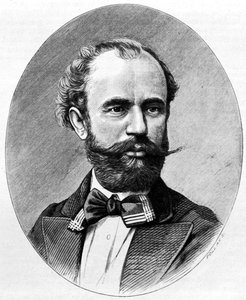
Portretul lui Geza Meszoly

Picturi Geza Meszoly: Cele 20 de cele mai faimoase, prin ochii unei galerii

Actualizat Noiembrie 2026 · clasat în funcție de scorul nostru de popularitate (căutări, vizite și comenzi pentru fiecare operă) · 21 lucrări ale lui Geza Meszoly în catalogul nostru

Pe scurt

În ochii galeriei, cea mai celebră pictură a lui Geza Meszoly este Flat Land with Haystacks (1872), a cărei originală este expusă la Galeria Națională Ungară, Budapest. Landscape with Windmill (1879) și Siófok (1872) completează trioul pe care orice ochi îl recunoaște. Dintre cele 21 opere ale lui Geza Meszoly din catalogul nostru, galeria prezintă mai jos cele 20 cele mai faimoase, fiecare fiind originală, cu anul creării, muzeul de păstrare și elementul care o face unică.

1844 – 1887, Sárbogárd Cele mai multe lucrări: Galeria Națională Ungară

Cele mai apreciate 10 picturi ale lui Geza Meszoly din galerie

1
Flat Land with Haystacks (1872) de Geza Meszoly

Flat Land with Haystacks

1872 · Oil · Galeria Națională Ungară, Budapest

The composition finds its strength in the rhythm of the plains. There is no sudden movement, only the slow, steady pulse of the countryside. The haystacks act as anchors in a sea of shifting light, providing a sense of permanence against the fleeting nature of the fog. It is a vision of a world caught in a moment of transition, where the solid earth begins to melt into the sky.…

2
Landscape with Windmill (1879) de Geza Meszoly

Landscape with Windmill

1879 · Watercolor · Galeria Națională Ungară, Budapest

The work moves away from the sharp edges of academic realism toward a more poetic, impressionistic approach. The use of light and shadow emphasizes emotional depth and psychological states. Rather than a literal depiction of a landscape, the piece functions as a meditation on atmosphere. The interplay of organic lines and pigment sedimentation creates a sense of movement, as if the figure is dissolving into the surrounding mist.

Picturi cu Geza Meszoly, clasate de la 11 la 20

Subiectele care i-au captivat privirea lui Geza Meszoly

Cele patru teme care revin cel mai des în aceste opere originale, fiecare având cel mai sublim exemplu.

Muzeele care păstrează originalele lui Geza Meszoly

Cele 3 muzee care dețin cele mai multe dintre picturile de pe această pagină.

Muzee Oraș Lucrări lui Geza Meszoly Picturi din această listă
Galeria Națională Ungară, BudapestGaleria Națională Ungară Budapest 9 Flat Land with Haystacks, Landscape with Windmill, Siófok
Herman Ottó Museum, MiskolcHerman Ottó Museum Miskolc 2 Crossing at Szántód, Bath-house at lake Balaton
Ernest Zmeták Art Gallery Nové Zámky 1 At the End of the Village

Geza Meszoly, picturile emblematice ale fiecărei ani

Cariera lui Geza Meszoly pe această pagină se întinde pe 14 ani, de la 1872 la 1885: fiecare an este prezentat împreună cu cele mai faimoase opere originale.

Lucrări pe an

Alege un an pentru a vedea originalele acestuia.

Picturile lui Geza Meszoly: răspunsurile galeriei

Care este cea mai celebră pictură a lui Geza Meszoly?Află răspunsul

Flat Land with Haystacks (1872), Galeria Națională Ungară, Budapest. Urmează Landscape with Windmill (1879) și Siófok (1872).

Ce vârstă avea Geza Meszoly când a finalizat Flat Land with Haystacks?Află răspunsul

28 ani: Flat Land with Haystacks datează din 1872, iar Geza Meszoly s-a născut în 1844.

Care sunt cele mai importante 10 picturi ale lui Geza Meszoly?Află răspunsul

Flat Land with Haystacks, Landscape with Windmill, Siófok, Crossing at Szántód, At the End of the Village, Lido, Fisherman's Hut at Lake Balaton, Farmstead, Bath-house at lake Balaton și The Herd. Clasamentul de mai sus indică anul și muzeul pentru fiecare piesă.

Câte lucrări a creat Geza Meszoly?Află răspunsul

Catalogul nostru cuprinde 21 lucrări ale lui Geza Meszoly, datate între 1872 și 1885.

Unde sunt expuse cele mai celebrele opere originale ale lui Geza Meszoly?Află răspunsul

În principal în Galeria Națională Ungară (Budapest), Herman Ottó Museum (Miskolc) și Ernest Zmeták Art Gallery (Nové Zámky). Tabelul cu muzee de mai sus le enumeră pe toate.

Când a creat Geza Meszoly cele mai faimoase picturi?Află răspunsul

În 1879: 3 dintre cele 20 lucrări de pe această pagină au fost realizate atunci, fiind Landscape with Windmill dintre acestea.

Care sunt cele mai vechi și cele mai recente opere celebre ale lui Geza Meszoly?Află răspunsul

Pe această pagină, cea mai veche lucrare datează din Flat Land with Haystacks (1872), iar cea mai recentă este din Bath-house at lake Balaton (1885).

La ce subiecte s-a întors cel mai des Geza Meszoly?Află răspunsul

Man (2), Portraits (2) și Portrait (2), din cele 20 lucrări de pe această pagină.

Ce opere originale ale lui Geza Meszoly deține Galeria Națională Ungară?Află răspunsul

Flat Land with Haystacks, Landscape with Windmill și Siófok: Galeria Națională Ungară, Budapest deține 9 dintre lucrările de pe această pagină.

Geza Meszoly: artistul

The Visionary of the Mist: The Life and Art of Géza Mészöly

Born amidst the rolling landscapes of Sárbogárd, Hungary, in 1844, Géza Mészöly emerged as a profound voice in nineteenth-century European art. His journey was one of transformation, moving from the rigid structures of legal ambition to the ethereal realms of light and atmosphere. While his early education at the Calvinist College in Debrecen provided him with a disciplined mind, it was his eventual departure for the prestigious academies of Vienna and Munich that truly ignited his creative spirit. Under the tutelage of masters like Robert Russ and Albert Zimmermann, Mészöly mastered the rigorous techniques of academic landscape painting, yet he would soon find that true artistry lay not in mere imitation of form, but in the capture of a fleeting, soulful essence.

The evolution of Mészöly’s style represents a beautiful departure from the structured traditions of his training. Upon returning to his beloved Hungary, the artist underwent a stylistic metamorphosis that would define his legacy. He moved away from the sharp, defined edges of academic realism toward a more poetic, impressionistic approach. His canvases began to breathe with a delicate, silvery light, often characterized by grayish tones and a fine, thin vapor that seemed to veil the Hungarian countryside. This mastery of atmosphere allowed him to transform ordinary vistas into dreamlike meditations on nature, where the boundaries between earth and sky dissolved into a soft, luminous haze.

A Tapestry of Hungarian Life and Landscape

Mészöly’s heart belonged to the rugged beauty of the Hungarian plains and the tranquil shores of Lake Balaton. He possessed a rare ability to find the extraordinary within the ordinary, turning his gaze toward the Tisza riverside and the reeds of Akaratty. His work was never merely about scenery; it was an intimate exploration of the human connection to the land. Through his brush, the lives of peasants and fishermen were elevated to the level of high art, depicted with a sense of idyllic peace and profound dignity. He captured the quiet rhythms of their existence—the stillness of a fisherman’s hut, the movement of shadows across a marsh—with an intimacy that resonated deeply with the burgeoning national identity of his era.

As his career progressed into the 1880s, Mészöly’s technique grew increasingly relaxed and expressive. His later works bear a striking resemblance to the atmospheric sensibilities of the French master Corot, as he abandoned meticulous detail in favor of conveying pure emotion and mood. This period marked his most significant achievement: the creation of a unique genre of Balaton life scenes that immortalized the ephemeral beauty of the region. His paintings became more than just records of geography; they were vessels for nostalgia and a celebration of the quiet, enduring spirit of the Hungarian landscape.

Legacy and Artistic Significance

Though his life was tragically short, ending in 1887, the impact of Géza Mészöly remains etched in the history of Hungarian painting. He stands as a bridge between the disciplined academicism of the mid-nineteenth century and the more emotive, atmospheric movements that would follow. His ability to blend the technical precision learned in Munich and Vienna with a deeply personal, localized vision allowed him to create something entirely unique.

Today, Mészöly is remembered for several key contributions to the art world:

  • Mastery of Atmosphere: His pioneering use of misty, tonalist techniques to evoke mood and weather.
  • Cultural Documentation: The poetic preservation of Hungarian rural life and the social fabric of the Balaton region.
  • Stylistic Innovation: The successful transition from rigid academic landscape painting to a more fluid, romanticized naturalism.

Through his eyes, we see a Hungary that is both grounded in its soil and elevated by its light—a world where every mist-covered reed and every quiet fisherman tells a story of timeless beauty.