Portretul lui Frederick Lee Bridell

Cele 27 cele mai faimoase picturi ale lui Frederick Lee Bridell, o selecție de galerie

Actualizat Noiembrie 2026 · clasat în funcție de scorul nostru de popularitate (căutări, vizite și comenzi pentru fiecare operă) · 34 lucrări ale lui Frederick Lee Bridell în catalogul nostru

Pe scurt

Dintre toate originalele lăsate de Frederick Lee Bridell, cea mai faimoasă este The Coliseum at Rome by Moonlight (1859). Imediat după acestea urmează The Temple of Vesta, Tivoli (1859) și Colosseumul în luminile lunii (1858). Catalogul nostru cuprinde 34 lucrări ale lui Frederick Lee Bridell; galeria a păstrat cele 27 pe care lumea le admiră cel mai mult, fiecare fiind prezentată împreună cu data, muzeul și povestea sa.

1830 – 1863, Southampton Romantic landscape painting Cele mai multe lucrări: Reading Museum - Town Hall

Cele mai importante 10 picturi ale lui Frederick Lee Bridell: selecția galeriei

1
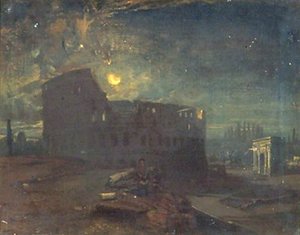
The Coliseum at Rome by Moonlight (1859) de Frederick Lee Bridell

The Coliseum at Rome by Moonlight

1859 · Oil On Canvas

The Coliseum at Rome by Moonlight is an oil painting by the British artist Frederick Lee Bridell. Completed in 1859, the work captures a Roman Landscape under the silver weight of the night. It presents a nighttime cityscape of Rome, where the ancient stones of the Colosseum and the Arch of Constantine emerge from the dark.

2
The Temple of Vesta, Tivoli (1859) de Frederick Lee Bridell

The Temple of Vesta, Tivoli

1859 · Oil On Canvas

The Temple of Vesta, Tivoli emerges from the canvas as an oil on canvas work that captures a quiet moment in the Italian landscape. This piece, created by the British artist Frederick Lee Bridell, invites the viewer into a serene scene of mountains and greenery. The painting measures 90 x 129 cm, offering a substantial window into the natural world. It remains part of the collection at the Southampton City…

3
Colosseumul în luminile lunii (1858) de Frederick Lee Bridell

Colosseumul în luminile lunii

1858 · Acrilic pe pânză întinsă · Reading Museum - Town Hall, Reading

O Lumină Fugită în Colosseum: O Explorare Artistică a Operei lui Frederick Lee Bridell Frederick Lee Bridell este un nume care poate să nu fie la fel de cunoscut precum cel al unor contemporani celebri precum Turner sau Constable, însă reprezintă o pagină importantă în pictura britanică romantică din secolul XIX. Născut William Bridle în Southampton în 1830, cariera sa scurtă dar intens productivă a fost marcată de o sensibilitate…

Selecția pentru Frederick Lee Bridell continuă, de la 11 la 27

Muzeele care păstrează originalele lui Frederick Lee Bridell

Cele 5 muzee care dețin cele mai multe dintre picturile de pe această pagină.

Muzee Oraș Lucrări lui Frederick Lee Bridell Picturi din această listă
Reading Museum - Town Hall, ReadingReading Museum - Town Hall Reading 2 Colosseumul în luminile lunii, A Neapolitan Landscape, Italy
Nostell Priory, WakefieldNostell Priory Wakefield 1 View of Brannenburg, Bavaria
Bolton Museum And Art Gallery, BoltonBolton Museum And Art Gallery Bolton 1 Charcoal Burning, Upper Bavaria
Wolverhampton Art Gallery, WolverhamptonWolverhampton Art Gallery Wolverhampton 1 The Vineyards at Meran, Tyrol
Regent's Park College, OxfordRegent's Park College Oxford 1 Dr Alexander McLaren (1826–1910) – Portraitul unui tânăr

Frederick Lee Bridell deceniu cu deceniu: originalul care definește fiecare

Lucrări pe deceniu

Alege o deceniu pentru a descoperi opera originală care îl definește.

Întrebări ale colecționarilor despre picturile lui Frederick Lee Bridell

Pentru ce operă este cel mai cunoscut Frederick Lee Bridell?Află răspunsul

The Coliseum at Rome by Moonlight (1859). Urmează The Temple of Vesta, Tivoli (1859) și Colosseumul în luminile lunii (1858).

Ce vârstă avea Frederick Lee Bridell când a fost creată The Coliseum at Rome by Moonlight?Află răspunsul

29 ani: The Coliseum at Rome by Moonlight datează din 1859, iar Frederick Lee Bridell s-a născut în 1830.

Care sunt cele mai celebre zece picturi ale lui Frederick Lee Bridell?Află răspunsul

The Coliseum at Rome by Moonlight, The Temple of Vesta, Tivoli, Colosseumul în luminile lunii, Henry Rose, Georgiana Lacey, Captain Lacey, The Fisherman's House, Autumn Evening, Wooded Landscape (detail) și View of Brannenburg, Bavaria. Clasamentul de mai sus indică anul și muzeul pentru fiecare piesă.

Câte picturi a lăsat Frederick Lee Bridell?Află răspunsul

Catalogul nostru cuprinde 34 lucrări ale lui Frederick Lee Bridell, datate între 1848 și 1860.

În ce muzee sunt expuse capodoperele lui Frederick Lee Bridell?Află răspunsul

În principal în Reading Museum - Town Hall (Reading), Nostell Priory (Wakefield) și Bolton Museum And Art Gallery (Bolton). Tabelul cu muzee de mai sus le enumeră pe toate.

În ce ani a pictat Frederick Lee Bridell cele mai cunoscute opere?Află răspunsul

În 1850s: 10 dintre cele 27 lucrări de pe această pagină au fost realizate atunci, fiind The Coliseum at Rome by Moonlight dintre acestea.

Care sunt prima și ultima pictură originală celebră a lui Frederick Lee Bridell?Află răspunsul

Pe această pagină, cea mai veche lucrare datează din Henry Rose (1848), iar cea mai recentă este din The Woods of Sweet Chestnut above Varenna, Lake Como (1860).

Ce tehnică a folosit cel mai des Frederick Lee Bridell?Află răspunsul

Oil On Canvas, pentru 2 dintre cele 27 lucrări de pe această pagină.

Din ce mișcare artistică face parte Frederick Lee Bridell?Află răspunsul

Romantic landscape painting, judecând după originalele de pe această pagină.

Ce lucrări ale lui Frederick Lee Bridell sunt expuse la Reading Museum - Town Hall?Află răspunsul

Colosseumul în luminile lunii și A Neapolitan Landscape, Italy: Reading Museum - Town Hall, Reading deține 2 dintre lucrările de pe această pagină.

Frederick Lee Bridell: viață și operă

A Fleeting Glimpse of Brilliance: The Life and Art of Frederick Lee Bridell

Frederick Lee Bridell, a name perhaps less familiar than those of his celebrated contemporaries like Turner or Constable, nevertheless represents a poignant chapter in 19th-century British landscape painting. Born William Bridle in Southampton in 1830, his brief but intensely productive career was marked by a remarkable sensitivity to light and atmosphere, coupled with an ambition that propelled him from humble beginnings to the attention of prominent artistic circles. His story is one of early talent nurtured against odds, a passionate embrace of European influences, and a tragically premature end that left a legacy ripe for rediscovery. Bridell’s journey began not within the walls of an art academy, but in the practical world of labor – first as a pageboy, then as a house painter. Yet, even amidst these tasks, his innate artistic inclination shone through, encouraged by Henry Rose, a local engraver who recognized and fostered the young man's burgeoning talent. This early grounding instilled in Bridell a dedication to craft and observation that would become hallmarks of his mature style. At eighteen, adopting the more distinguished name Frederick Lee Bridell, he painted a portrait of Rose, an act signifying not merely artistic skill but also a deliberate forging of identity.

Early Influences & Apprenticeship

Bridell’s formative years instilled in him a profound appreciation for meticulous detail and observation—qualities that would become central to his distinctive artistic vision. Recognizing his potential, Henry Rose, a respected engraver residing in Southampton, took on Bridell as an apprentice, providing invaluable experience in mastering technique and fostering a deep understanding of artistic principles. This mentorship proved crucial, shaping Bridell’s approach to art and establishing a foundation for his future endeavors. More importantly, Rose introduced Bridell to the world of Old Masters, exposing him to the works of Cuyp, Van der Velde, and Berchem—artists whose mastery of light and composition profoundly influenced Bridell's artistic sensibilities. These encounters ignited a passion for capturing atmospheric effects and conveying emotion through visual imagery – influences that would permeate his entire oeuvre.

European Travels & Artistic Development

The pivotal moment in Bridell’s formal training arrived with his apprenticeship to Edwin Holder, a picture dealer and restorer who championed Bridell's talent and facilitated access to invaluable artistic resources. Holder recognized Bridell’s innate aptitude for landscape painting and encouraged him to broaden his horizons through travel—a decision that would irrevocably alter the trajectory of his artistic development. Between 1858 and 1863, Bridell embarked on expeditions across Europe, primarily to Germany and Tyrol, immersing himself in the landscapes and artistic traditions of these regions. These journeys served as a catalyst for experimentation and innovation, propelling Bridell beyond mere imitation—he sought to synthesize European influences with his own unique vision. The dramatic vistas of the Austrian Alps captivated Bridell’s imagination, inspiring him to explore dynamic lighting effects and convey the grandeur of nature with unparalleled precision.

The Roman Period & Patronage

Bridell's artistic ambitions found a powerful advocate in James Wolff, a wealthy shipping magnate who recognized Bridell’s talent and established a gallery at his opulent home—a gesture that provided not only financial stability but also crucial exposure to discerning collectors and critics alike. This patronage enabled Bridell to dedicate himself fully to landscape painting, allowing him to pursue his artistic passions without constraint. During this period, he married Eliza Bridell Fox, herself an accomplished artist, forging a partnership that enriched their creative lives and solidified their commitment to the pursuit of beauty. His paintings—particularly *The Temple of Venus* and *The Coliseum at Rome by Moonlight*, which now reside in Southampton Art Gallery—demonstrate his ability to capture the ethereal quality of light and shadow—a hallmark of Turner’s style, yet infused with Bridell's distinctive artistic voice.

Legacy & Enduring Appeal

Tragically, Frederick Lee Bridell’s promising career was cut short by consumption at the young age of thirty-three. His untimely demise deeply saddened his contemporaries, including Sir Theodore Martin, who acknowledged Bridell’s potential for achieving international renown—a recognition that underscores the significance of his artistic contribution to Victorian England. Despite his brief life span, Bridell left behind a body of work that continues to captivate audiences today—paintings characterized by meticulous detail, vibrant palettes, and an unwavering devotion to capturing the sublime beauty of Italian landscapes. His legacy endures as a reminder that even fleeting moments of brilliance can leave an indelible mark on the history of art – a testament to Bridell’s dedication to craft, observation, and artistic innovation.