


1


Actualizat Noiembrie 2026 · clasat în funcție de scorul nostru de popularitate (căutări, vizite și comenzi pentru fiecare operă) · 67 lucrări ale lui Floris Van Schooten în catalogul nostru
Pe scurt
Kitchen Scene (1622) este pictura lui Floris Van Schooten care atrage cele mai multe priviri; originalul aparține Statens Museum For Kunst, Copenhaga. După aceasta, privirea se îndreaptă către Christ and the woman of Samaria at the well (1620) și A woman and a boy in a kitchen (1620). Dintre cele 67 opere ale lui Floris Van Schooten din catalogul nostru, acestea 67 sunt cele mai celebre, fiecare fiind o piesă unică, prezentată împreună cu anul creării, muzeul deținător și motivul pentru care aceasta rămâne memorabilă.
 A kitchen interior with fish and utensils on a table1650
12
 A kitchen still life with a maid cleaning fish at a table and a boy holding an apple1650
13
 Laid Table1617
14Breakfast1615 · Kröller-Müller Museum
15
 Still life with cheese, herring, bread and wine1620 · National Gallery
16
 Kitchen Scene1620 · Rheinisches Landesmuseum
17
 Kitchen Utensils, Meat and Vegetables1610
18
 Still life of laid table with cheese1635 · Colecțiile Statale de Pictură din Bavaria
19
 Still Life with Cheese, Candlestick and Tobacco1630
20
 Still Life with smoked herring, oysters and smoker's gear1625 · Muzeul Frans Hals
21
 Still life with Jan Steen pitcher, salt cellar, and cheese on a laid table1629 · Het Prinsenhof
22
 Still life with grilled rib, cheese, apples and bread1630 · Het Prinsenhof
23
 Fruit Basket1634 · Statens Museum For Kunst
24
 Still life with pie on a laid table1633 · Muzeum Palacu Króla Jana III w Wilanowie
25
 Still life of food on a table1635
26
 Still life with a Jan Steen pitcher on a laid table1625
27
 Still life of fruit, butter and cheese1630
28
 Still life of fruit with bread, butter and a silver cup1625 · Gebruder Douwes
29
 Fruit still life1645 · Kröller-Müller Museum
30
 Still life with fruit, bread and a silver chalice1642
31
 Still life of butter, cheese, bread, shrimp and biscuits1642
32
 Still life with cut of meat, butter, chestnuts, glassware and bread on a table1639
33
 Stillife with dead birds1637
34
 Copper kettles and other objects on a tabletop1650
35
 Still-life with Ham1650
36
 Still life with bread, cheese, prawns and crabs1656 · Groninger Museum
37
 Breakfast with roast meat, bread, olives and chestnuts1650
38
 Still life of a laid table with cheese1650
39
 Still life of a laid table with cheese1650
40
 Still life of fruit and ham on a laid table1650
41
 Still life of fruit in a stone niche1650
42
 Still life with cheese, chalice and spoon1650 · The National Museum in Poznań
43
 Still life with bread, meat and olives1650 · Herzog Anton Ulrich Museum
44
 Still life with fruits in Delft porcelain1650
45
 Still life with fruit1650 · Museum Voor Moderne Kunst
46
 Still life with ham and fish with unplucked poultry.1650 · Museum of John Paul II Collection
47
 Still-life with Bread, Cheese and a cut Pie1650 · Koetser Gallery
48
 Still life of apples and grapes1650
49
 Still life of pie, cheese, bread and olives on a laid table1650 · Gallery van Diemen
50
 Still life of a laid table with cheese, meat and bread1650 · Hamburger Kunsthalle
51
 Laid table with cheese, bread, fruit and a roemer1650
52
 Still life with a ham on a laid table1650
53
 Fruit still life with silver beaker1650 · Francisque Mandet Museum
54
 Kitchen Interior1655
55
 BreakfastMuzeul Regal de Arte Frumoase din Anvers
56
 Kitchen piece with woman cleaning a fish
57
 Kitchen Still Life
58
 Fruit Stall1630 · Zamek Krolewski w Warszawie
59
 Breakfast Still Life with CheeseVon der Heydt Museum
60
 Still life of assorted fruit with two blue-and-white porcelain bowls
61
 Still life of fruit served in kraak porcelain
62
 Still life with berriesMuzeele Regale de Arte Frumoase din Belgia
63
 Still life with copper pans, utensils and plums on a stone ledgeKoetser Gallery
64
 Still life with cut of beef, chalice and breadMuseum Kunstpalast
65
 Strawberries in a silver dish, cherries and white currents in a wanli bowl, with a bread roll and silver cup
66
 Still-life Of Fruit
67
 a Kitchen Still Life with pots and pans on a stone ledge and animated figures in the background
Cele patru teme care revin cel mai des în aceste opere originale, fiecare având cel mai sublim exemplu.
Cele 8 muzee care dețin cele mai multe dintre picturile de pe această pagină.
| Muzee | Oraș | Lucrări lui Floris Van Schooten | Picturi din această listă |
|---|---|---|---|
 Statens Museum For Kunst |
Copenhaga | 4 | Kitchen Scene, Women and Children by a Fruit Seller, Stall with Fruit and Vegetables |
 Muzeul Frans Hals |
Haarlem | 2 | Kitchen scene, Still Life with smoked herring, oysters and smoker's gear |
 Kröller-Müller Museum |
Otterlo | 2 | Breakfast, Fruit still life |
 Het Prinsenhof |
Delft | 2 | Still life with Jan Steen pitcher, salt cellar, and cheese on a laid table, Still life with grilled rib, cheese, apples and bread |
| Koetser Gallery | 2 | Still-life with Bread, Cheese and a cut Pie, Still life with copper pans, utensils and plums on a stone ledge | |
 Muzeul Național din Varșovia |
Varșovia | 1 | Kitchen interior with a female cook. |
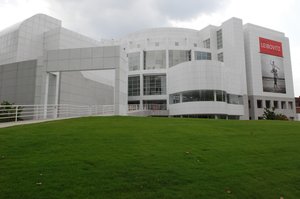 High Museum of Art |
Atlanta | 1 | Kitchen still life with two children |
 Gemäldegalerie Alte Meister |
Dresda | 1 | Young woman peeling a pear at a table with various fruits, an old man with a money bag adressing her |
Alege o deceniu pentru a descoperi opera originală care îl definește.


Kitchen Scene (1622), Statens Museum For Kunst, Copenhaga. Urmează Christ and the woman of Samaria at the well (1620) și A woman and a boy in a kitchen (1620).
42 ani: Kitchen Scene datează din 1622, iar Floris Van Schooten s-a născut în 1580.
Kitchen Scene, Christ and the woman of Samaria at the well, A woman and a boy in a kitchen, Larder Still Life with Cheese, Kitchen interior with a female cook., Women and Children by a Fruit Seller, Stall with Fruit and Vegetables, Kitchen scene, Kitchen still life with two children și Young woman peeling a pear at a table with various fruits, an old man with a money bag adressing her. Clasamentul de mai sus indică anul și muzeul pentru fiecare piesă.
Catalogul nostru cuprinde 67 lucrări ale lui Floris Van Schooten, datate între 1610 și 1656.
În principal în Statens Museum For Kunst (Copenhaga), Muzeul Frans Hals (Haarlem) și Kröller-Müller Museum (Otterlo). Tabelul cu muzee de mai sus le enumeră pe toate.
În 1650s: 23 dintre cele 67 lucrări de pe această pagină au fost realizate atunci, fiind A kitchen interior with fish and utensils on a table dintre acestea.
Pe această pagină, cea mai veche lucrare datează din Kitchen Utensils, Meat and Vegetables (1610), iar cea mai recentă este din Still life with bread, cheese, prawns and crabs (1656).
Fruits (2) și Life (2), din cele 67 lucrări de pe această pagină.
Kitchen Scene, Women and Children by a Fruit Seller și Stall with Fruit and Vegetables: Statens Museum For Kunst, Copenhaga deține 4 dintre lucrările de pe această pagină.
Floris Gerritsz van Schooten (c. 1585 – 14 noiembrie 1656) se impune ca o figură esențială în evoluția picturii de natură moartă în cadrul Epocii de Aur olandeze. Lucrând adesea în umbra unor contemporani mai flamboyant, el a modelat genul într-un mod discret, dar profund, reflectând evoluția acestuia și absorbind inovațiile comunității artistice vibrante din Haarlem. Moștenirea sa nu rezidă în tehnici revoluționare, ci în observația sa meticuloasă, în execuția abilă și într-o înțelegere profundă a modului în care poate surprinde esența obiectelor cotidiene – de la modeste mese de mic dejun până la elaborate scene de bucătărie – totul îmbuatit de un subtil sentiment de vanitas.
Născut într-o familie catolică prosperă care migrase de la Amsterdam la Haarlem în căutarea unei mai mari toleranțe religioase în 1612, primii ani de viață ai lui Floris au fost îmbibați în tradițiile liniei sale de familie. Tatăl său, Gerrit Jacobsz van Schooten, era membru al acestei familii influente, iar căsnicia sa cu Rycklant Bol van Zanen, fiica unui prominent producător de bere, i-a oferit atât statut social, cât și o legătură cu inima economică a orașului Haarlem. Acest context i-a influențat subtil tematica picturilor, reprezentând frecvent abundența mesei, o oglindă a bogăției și prosperității epocii.
Călătoria artistică a lui Van Schooten a început în cadrul Gildei Sf. Luca din Haarlem, o instituție crucială pentru instruirea și reglamentarea artiștilor. El a urcat rapid în ierarhia acesteia, devenind în cele din urmă Decan în 1639, ceea ce demonstrează respectul și expertiza sa în lumea artistică locală. Cariera sa s-a întins pe mai multe decenii, în timpul cărora a produs o operă impresionantă, estimată la aproximativ 120 de lucrări – o dovadă a productivității sale constante și a dedicării sale. În mod remarcabil, se cunoaște o singură pictură semnată complet: o natură moartă de mic dejun, aflată astăzi la Muzeul Von der Heydt din Wuppertal, Germania, oferind o privire rară asupra intențiilor proprii ale artistului.
Evoluția artistică a lui Floris Van Schooten a fost indisolubil legată de scena vibrantă a picturii de natură moartă din Haarlem. El a absorbit tehnicile și sensibilitățile contemporanilor săi, fiind influențat în mod profund de lucrările magistrale ale lui Floris van Dyck, Pieter Claesz și Roelof Koets – figuri de prim rang în cadrul guildii. Acești artiști au servit drept modele esențiale, modelându-i abordarea compoziției, paletele de culori și modul de reprezentare a texturilor. În mod remarcabil, el a reflectat inovațiile care apăreau în comunitatea de natură moartă din Haarlem, demonstrând o conștiință acută a tendințelor contemporane ale epocii.
Opera sa dezvăluie, de asemenea, un aprecier profund pentru maeștrii anteriori, precum Pieter Aertsen și Joachim Beuckelaer, ale căror scene de piață de mari dimensiuni au stabilit convenții pe care Floris Van Schooten le-a adaptat cu măiestrie. El a simplificat aranjamentele complexe ale acestor predecesori, creând un sentiment sporit de ordine și stabilitate în cadrul compozițiilor sale. Această asimilare atentă a influențelor reprezintă o trăsătură distinctivă a stilului său – nu a fost un inovator în sens propriu, ci mai degrabă un documentarist și un interpret dedicat al evoluțiilor artistice.
Opera lui Van Schooten se remarcă printr-o diversitate fascinantă de subiecte de natură moartă. Artistul a excelat în pictarea scenelor de mic dejun, prezentând opulența mesei matinale prin compoziții atent studiate de șuncar, brânză, pâine și fructe. La fel de abil era în capturarea scenelor de bucătătarie – unor expoziții elaborate de provizii culinare care reflectau ritmurile domestice ale gospodăriilor olandeze din secolul al XVII-lea. De asemenea, scenele de piață ocupau un loc central în creația sa, oferind priviri de prânj asupra comerțului vibrant din străzile orașului Haarlem.
Motive recurente îi punctau lucrările, cel mai vizibil fiind duelul dintre șuncar și brânză. Aceste combinații, la prima vedere simple, deveneau elemente emblematice, îmbibate de o greutate simbolică profundă – reprezentând abundența, prosperitatea și, poate chiar, mortalitatea (o temă recurentă în picturile de tip vanitas). Atenția sa meticuloasă la detalii — strălucirea argintului șlefuit, textura fructelor coapte sau pliurile linelului — transforma aceste obiecte cotidiene în adevărate capodopere captivante.
În ciuda profilului său relativ modest, Floris Van Schooten a jucat un rol crucial în documentarea evoluției picturii de natură moartă în timpul Epocii de Aur olandeze. Operele sale oferă perspective neprețuite asupra practicilor artistice și a sensibilităților estetice ale sistemului de ghilde din Haarlem. Abraham Bredius, un prominent istoric al artei olandeze, a recunoscut importanța monogramului „F.v.S” sau „FVS” ca fiind semnătura identificatoare a artistului, consolidându-i astfel locul în cronica istorică.
Opera sa artistică stă ca o mărturie a peisajului artistic dinamic al Țărilor de Jos din secolul al XVII-lea – o oglindă atât a tradițiilor consacrate, cât și a tendințelor emergente. Prin reprezentarea sa abilă a obiectelor cotidiene, Van Schooten a oferit privitorilor o meditație poignantă asupra bogăției, a mortalității și a frumuseții ascunse în banalul cotidian.


