Portretul lui Ferdinand Georg Waldmüller

Picturi Ferdinand Georg Waldmüller: Cele 100 de cele mai faimoase, prin ochii unei galerii

Actualizat Noiembrie 2026 · clasat în funcție de scorul nostru de popularitate (căutări, vizite și comenzi pentru fiecare operă) · 210 lucrări ale lui Ferdinand Georg Waldmüller în catalogul nostru

Pe scurt

În ochii galeriei, cea mai celebră pictură a lui Ferdinand Georg Waldmüller este Portrait of Ludwig van Beethoven (1823), a cărei originală este expusă la Muzeul Kunsthistorisches din Viena, Viena. The young boy with the stable-lantern / The Young Stableboy with a Stable Lamp (1824) și The Actor Maximilian Korn in a Landscape (1828) completează trioul pe care orice ochi îl recunoaște. Dintre cele 210 opere ale lui Ferdinand Georg Waldmüller din catalogul nostru, galeria prezintă mai jos cele 100 cele mai faimoase, fiecare fiind originală, cu anul creării, muzeul de păstrare și elementul care o face unică.

1793 – 1865, Viena Biedermeier style Cele mai multe lucrări: Colecțiile Statale de Pictură din Bavaria

Cele mai apreciate 10 picturi ale lui Ferdinand Georg Waldmüller din galerie

1
Portrait of Ludwig van Beethoven (1823) de Ferdinand Georg Waldmüller

Portrait of Ludwig van Beethoven

1823 · Oil On Canvas · Muzeul Kunsthistorisches din Viena, Viena

A heavy, dark coat absorbs the light, framing a face etched by internal storms. The subject sits in a bust-length pose, his gaze directed toward the right, away from the viewer's immediate line of sight. Shadows pool deeply in the folds of his white neckcloth and the hollows of his cheeks, creating a sharp, three-dimensional presence. His hair, a wild, wavy mass of grey-white, catches the directional light from the…

2
The young boy with the stable-lantern / The Young Stableboy with a Stable Lamp (1824) de Ferdinand Georg Waldmüller

The young boy with the stable-lantern / The Young Stableboy with a Stable Lamp

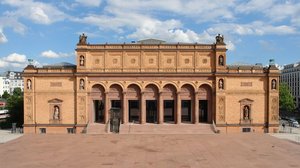
1824 · Oil · Hamburger Kunsthalle, Hamburg

The young boy with the stable-lantern / The Young Stableboy with a Stable Lamp is an oil on oak painting by Ferdinand Georg Waldmüller. Created in 1824, the work measures 17.87 x 21.3 in (45.4 x 54.1 cm). It resides within the collection of the Kunsthalle Hamburg, identified by the accession number 1351 and the note Feuchtmüller-WV-Nr.154.

3
The Actor Maximilian Korn in a Landscape (1828) de Ferdinand Georg Waldmüller

The Actor Maximilian Korn in a Landscape

1828 · Oil On Panel · Art Institute of Chicago, Chicago

The Actor Maximilian Korn in a Landscape is an oil on panel work created in 1828. The portrait captures a specific presence within a quiet, expansive setting. Ferdinand Georg Waldmüller, an Austrian painter, rendered the figure with a focus on the textures of the era. The subject is Maximilian Korn, a man whose likeness is fixed against the soft light of the natural world.

4
Peasant Lovers (1863) de Ferdinand Georg Waldmüller

Peasant Lovers

1863 · Wood · Städel Museum, Frankfurt pe Main

In 1863, Ferdinand Georg Waldmüller painted Peasant Lovers (Bäuerliches Liebespaar) in Austria. The work captures a tender moment between two young lovers. They are locked in an embrace amidst the quietude of a rural setting. This genre painting focuses on the intimate realities of peasant life.

6
After Confiscation (1859) de Ferdinand Georg Waldmüller

After Confiscation

1859 · Oil On Canvas · Gemäldegalerie, Dresda

Sunlight streams through an open doorway, cutting a sharp path across a crowded courtyard where life unfolds in a series of hushed, heavy moments. A group of women and children gather in this intimate space, their forms caught in a delicate dance between light and shadow. The air feels thick with the weight of their shared experience, a quiet community huddled together amidst the stone walls and textured fabrics of…

7
The Conscript’s Farewell (1854) de Ferdinand Georg Waldmüller

The Conscript’s Farewell

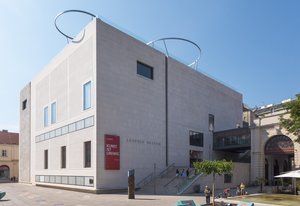
1854 · Leopold Museum, Viena

The Conscript’s Farewell is a painting by Ferdinand Georg Waldmüller. Created in 1854, this work captures a heavy moment within a farmhouse parlor. A young man, called up for military service, stands at the center of a domestic storm. He is surrounded by his family, each member caught in the gravity of his departure. The scene is a genre painting, a slice of life frozen in the quiet tension of…

8
Children at the Window (1853) de Ferdinand Georg Waldmüller

Children at the Window

1853 · Oil · Residenzgalerie, Salzburg

In this 1853 painting, a group of five children is gathered around a window, which serves as the central focal point of the scene. The arrangement of the figures creates a sense of quiet interaction: one child stands on the left side of the window, while two children are positioned close to each other in the middle. On the right side, another child stands by the window, and a fifth…

9
Children (1834) de Ferdinand Georg Waldmüller

Children

1834 · Acrylic On Canvas · Muzeul Ermitaj, Sankt Petersburg

Ferdinand Georg Waldmüller's "Children," painted in 1834, isn’t merely a portrait; it’s a carefully constructed tableau of quiet dignity and poignant observation. The painting captures two young girls returning home from school along a winding path, bathed in the soft, diffused light characteristic of the Biedermeier style – an artistic movement deeply rooted in the appreciation of nature and the celebration of everyday life. Waldmüller, a pivotal figure within this…

10
Catharina Freifrau von Koudelka (1821) de Ferdinand Georg Waldmüller

Catharina Freifrau von Koudelka

1821 · Oil On Canvas

Catharina Freifrau von Koudelka is a portrait executed by the Austrian painter Ferdinand Georg Waldmüller. Created about 1821, the work emerged during a period of significant artistic transition in Vienna. The subject is presented with the formal dignity characteristic of the era's social hierarchies.

Picturi cu Ferdinand Georg Waldmüller, clasate de la 11 la 100

11Rosina Wieser in her 83rd Year of Life (1820) de Ferdinand Georg WaldmüllerRosina Wieser in her 83rd Year of Life1820 12Portrait of Archduke Johann of Österreich in Uniform (1818) de Ferdinand Georg WaldmüllerPortrait of Archduke Johann of Österreich in Uniform1818 13Portrait of Frau Rossini (Isabella Colbran) (1818) de Ferdinand Georg WaldmüllerPortrait of Frau Rossini (Isabella Colbran)1818 14The court actress Sophie Müller (1822) de Ferdinand Georg WaldmüllerThe court actress Sophie Müller1822 15Rosina Wieser in Armchair (1822) de Ferdinand Georg WaldmüllerRosina Wieser in Armchair1822 16Portrait of a knight of the Golden fleece (1818) de Ferdinand Georg WaldmüllerPortrait of a knight of the Golden fleece1818 17Portrait of the artists mother (1818) de Ferdinand Georg WaldmüllerPortrait of the artists mother1818 18Peasant woman crosing a creek in a ravine (1818) de Ferdinand Georg WaldmüllerPeasant woman crosing a creek in a ravine1818 19Portrait of a child (1822) de Ferdinand Georg WaldmüllerPortrait of a child1822 20man with writing plate (1817) de Ferdinand Georg Waldmüllerman with writing plate1817 21Girl with flowers (1817) de Ferdinand Georg WaldmüllerGirl with flowers1817 22maid with snake (1817) de Ferdinand Georg Waldmüllermaid with snake1817 23Man with book (1817) de Ferdinand Georg WaldmüllerMan with book1817 24Christ and the Samaritan Woman at the Well (1818) de Ferdinand Georg WaldmüllerChrist and the Samaritan Woman at the Well1818 25Portrait of a Middle-Aged Lady (1828) de Ferdinand Georg WaldmüllerPortrait of a Middle-Aged Lady1828 · Colecțiile Statale de Pictură din Bavaria 26Lady in White Dress before a Wienerwald Landscape (1829) de Ferdinand Georg WaldmüllerLady in White Dress before a Wienerwald Landscape1829 27Elisabeth Waldmüller, the Mother of the Artist (1830) de Ferdinand Georg WaldmüllerElisabeth Waldmüller, the Mother of the Artist1830 28Day Laborer with His Son (1823) de Ferdinand Georg WaldmüllerDay Laborer with His Son1823 29Mrs. Theresia Rupprecht (1825) de Ferdinand Georg WaldmüllerMrs. Theresia Rupprecht1825 30Female Portrait in White Ball Toilette (1830) de Ferdinand Georg WaldmüllerFemale Portrait in White Ball Toilette1830 31Countess Széchenyi (1828) de Ferdinand Georg WaldmüllerCountess Széchenyi1828 · Cleveland Museum of Art 32Self-portrait (1828) de Ferdinand Georg WaldmüllerSelf-portrait1828 33Portr. of a gentleman with sabre (1830) de Ferdinand Georg WaldmüllerPortr. of a gentleman with sabre1830 34Portrait of a lady, half figure (1829) de Ferdinand Georg WaldmüllerPortrait of a lady, half figure1829 35portrait of a lady (1829) de Ferdinand Georg Waldmüllerportrait of a lady1829 36Cows in a meadow (1823) de Ferdinand Georg WaldmüllerCows in a meadow1823 37Little Count Esterhazy in trousers with a rabbit (1827) de Ferdinand Georg WaldmüllerLittle Count Esterhazy in trousers with a rabbit1827 38Portrait of a Cartographer with his Wife (1824) de Ferdinand Georg WaldmüllerPortrait of a Cartographer with his Wife1824 · Westfälisches Landesmuseum 39Portrait of a lady (1825) de Ferdinand Georg WaldmüllerPortrait of a lady1825 40Old soldier with children (1827) de Ferdinand Georg WaldmüllerOld soldier with children1827 41Portrait of the family Geymüller in a park (1827) de Ferdinand Georg WaldmüllerPortrait of the family Geymüller in a park1827 42two hunters in the mountains (1829) de Ferdinand Georg Waldmüllertwo hunters in the mountains1829 43Boy with a Stable Lantern (1825) de Ferdinand Georg WaldmüllerBoy with a Stable Lantern1825 44Portrait of a Woman in Riding Attire, with her Greyhound (1839) de Ferdinand Georg WaldmüllerPortrait of a Woman in Riding Attire, with her Greyhound1839 45The Engraver François Haury (1834) de Ferdinand Georg WaldmüllerThe Engraver François Haury1834 46Woman in Green, Salmon-Pink Shimmering Dress (1837) de Ferdinand Georg WaldmüllerWoman in Green, Salmon-Pink Shimmering Dress1837 47The Wife of the Court Official Josef von Stadler (1835) de Ferdinand Georg WaldmüllerThe Wife of the Court Official Josef von Stadler1835 48The Roman Ruin in Schönbrunn (1832) de Ferdinand Georg WaldmüllerThe Roman Ruin in Schönbrunn1832 49Aloisia Eltz in the Armchair (1834) de Ferdinand Georg WaldmüllerAloisia Eltz in the Armchair1834 50Josephine Schaumburg, née Stahel (1834) de Ferdinand Georg WaldmüllerJosephine Schaumburg, née Stahel1834 51A Girl Adorns the Mother of God with a Rose (1836) de Ferdinand Georg WaldmüllerA Girl Adorns the Mother of God with a Rose1836 52Old Woman with White Ribbon Cap (1832) de Ferdinand Georg WaldmüllerOld Woman with White Ribbon Cap1832 53Heinrich Werner (1830 - 1861), the son of the married couple Johann and Magdalena Werner (1835) de Ferdinand Georg WaldmüllerHeinrich Werner (1830 - 1861), the son of the married couple Johann and Magdalena Werner1835 54Count Demetrius Apraxin as a Child before a Mountain Landscape (1832) de Ferdinand Georg WaldmüllerCount Demetrius Apraxin as a Child before a Mountain Landscape1832 55The Imperial and Royal Börsenkammerrat Johann Werner (1788-1879) (1835) de Ferdinand Georg WaldmüllerThe Imperial and Royal Börsenkammerrat Johann Werner (1788-1879)1835 56Magdalena Werner (1804-1872) (1835) de Ferdinand Georg WaldmüllerMagdalena Werner (1804-1872)1835 57The Princely Esterházy Counselor Mathias Kerzmann with his second wife Maria Helena, née Mikolischütz, and daughter Maria (1835) de Ferdinand Georg WaldmüllerThe Princely Esterházy Counselor Mathias Kerzmann with his second wife Maria Helena, née Mikolischütz, and daughter Maria1835 58Lady in Cinnabar Green Dress (1838) de Ferdinand Georg WaldmüllerLady in Cinnabar Green Dress1838 59Girl's Head with Blue Headscarf (1836) de Ferdinand Georg WaldmüllerGirl's Head with Blue Headscarf1836 60Countess Dimitri Tatischeff (1838) de Ferdinand Georg WaldmüllerCountess Dimitri Tatischeff1838 · Städel Museum 61A Greek in a red coat (1839) de Ferdinand Georg WaldmüllerA Greek in a red coat1839 · Galeria Moravian din Brno 62View of Ischl (1838) de Ferdinand Georg WaldmüllerView of Ischl1838 · Alte Nationalgalerie 63Am Allerseelentag (1839) de Ferdinand Georg WaldmüllerAm Allerseelentag1839 · Alte Nationalgalerie 64Portrait of a young lady with a pearl necklace (1835) de Ferdinand Georg WaldmüllerPortrait of a young lady with a pearl necklace1835 · Colecțiile Statale de Pictură din Bavaria 65Portrait of a Woman (1836) de Ferdinand Georg WaldmüllerPortrait of a Woman1836 · Colecțiile Statale de Pictură din Bavaria 66Portrait of a lady from the family of the nobles of Managetta and Lerchenau (Katharina Jackson, née Bonin-Ghibaud?) (1837) de Ferdinand Georg WaldmüllerPortrait of a lady from the family of the nobles of Managetta and Lerchenau (Katharina Jackson, née Bonin-Ghibaud?)1837 · Colecțiile Statale de Pictură din Bavaria 67Portrait of a Noblewoman Managetta von Lerchenau (1837) de Ferdinand Georg WaldmüllerPortrait of a Noblewoman Managetta von Lerchenau1837 · Colecțiile Statale de Pictură din Bavaria 68Julia Comtesse Apraxin (1835) de Ferdinand Georg WaldmüllerJulia Comtesse Apraxin1835 69Mr. Wohlleben, the brother of the Mayor of Vienna, Stephan Edler von Wohlleben (1836) de Ferdinand Georg WaldmüllerMr. Wohlleben, the brother of the Mayor of Vienna, Stephan Edler von Wohlleben1836 70Portrait of Emilie Werner (1832 - 1835), daughter of Johann and Magdalena Werner (1835) de Ferdinand Georg WaldmüllerPortrait of Emilie Werner (1832 - 1835), daughter of Johann and Magdalena Werner1835 71Emperor Ferdinand I of Austria (1839) de Ferdinand Georg WaldmüllerEmperor Ferdinand I of Austria1839 72portrait of a young lady (1839) de Ferdinand Georg Waldmüllerportrait of a young lady1839 73Portrait of Friedrich von Guaita Bürgermeister von Frankfurt/Main (1834) de Ferdinand Georg WaldmüllerPortrait of Friedrich von Guaita Bürgermeister von Frankfurt/Main1834 74Portrait of a girl (1837) de Ferdinand Georg WaldmüllerPortrait of a girl1837 75Portrait of a young gentleman in uniform (1836) de Ferdinand Georg WaldmüllerPortrait of a young gentleman in uniform1836 76Portrait of sitting lady (1837) de Ferdinand Georg WaldmüllerPortrait of sitting lady1837 77Visit of the grand Parents (1835) de Ferdinand Georg WaldmüllerVisit of the grand Parents1835 78The Beggar (1836) de Ferdinand Georg WaldmüllerThe Beggar1836 79A traveling family of beggars is rewarded by poor peasants on Christmas Eve (1834) de Ferdinand Georg WaldmüllerA traveling family of beggars is rewarded by poor peasants on Christmas Eve1834 80Three graces garlanded with roses (1836) de Ferdinand Georg WaldmüllerThree graces garlanded with roses1836 81Gustav Barth, Choir Master of the Wiener Männergesangsverein (1843) de Ferdinand Georg WaldmüllerGustav Barth, Choir Master of the Wiener Männergesangsverein1843 82Lower Austrian Peasants' Wedding (1843) de Ferdinand Georg WaldmüllerLower Austrian Peasants' Wedding1843 83Christmas Morning (1844) de Ferdinand Georg WaldmüllerChristmas Morning1844 84Gentleman in black skirt with white vest (1841) de Ferdinand Georg WaldmüllerGentleman in black skirt with white vest1841 85Portrait of a young woman. (1840) de Ferdinand Georg WaldmüllerPortrait of a young woman.1840 · Muzeul Național din Varșovia 86Women Bathing at the Brook (1848) de Ferdinand Georg WaldmüllerWomen Bathing at the Brook1848 87Lime kiln in the Hinterbrühl (1845) de Ferdinand Georg WaldmüllerLime kiln in the Hinterbrühl1845 · Liechtenstein Museum 88At the ruins of the fire (1847) de Ferdinand Georg WaldmüllerAt the ruins of the fire1847 89The bridesmaid / Wreath-Bearing Virgin (1843) de Ferdinand Georg WaldmüllerThe bridesmaid / Wreath-Bearing Virgin1843 90The Adoption. (1847) de Ferdinand Georg WaldmüllerThe Adoption.1847 · National Museum in Wrocław 91Portrait of a Lady in a Black Silk Dress Sitting on a Red Fauteuil (1850) de Ferdinand Georg WaldmüllerPortrait of a Lady in a Black Silk Dress Sitting on a Red Fauteuil1850 92Portrait of Madame Josef Bayer (1854) de Ferdinand Georg WaldmüllerPortrait of Madame Josef Bayer1854 · Petit Palais 93Palm Sunday (1853) de Ferdinand Georg WaldmüllerPalm Sunday1853 · Galeria Moravian din Brno 94Brushwood collectors in the Wienerwald (1855) de Ferdinand Georg WaldmüllerBrushwood collectors in the Wienerwald1855 95Anna Bayer, the artists second wife (1850) de Ferdinand Georg WaldmüllerAnna Bayer, the artists second wife1850 96Depleted power (1854) de Ferdinand Georg WaldmüllerDepleted power1854 97Restored to New Life (1852) de Ferdinand Georg WaldmüllerRestored to New Life1852 98Old woman with children (1854) de Ferdinand Georg WaldmüllerOld woman with children1854 99Woman with child (1855) de Ferdinand Georg WaldmüllerWoman with child1855 100Homecoming into the fathers house (1855) de Ferdinand Georg WaldmüllerHomecoming into the fathers house1855

Piesele celebre ale lui Ferdinand Georg Waldmüller, perioadă cu perioadă

Subiectele care i-au captivat privirea lui Ferdinand Georg Waldmüller

Cele patru teme care revin cel mai des în aceste opere originale, fiecare având cel mai sublim exemplu.

Muzeele care păstrează originalele lui Ferdinand Georg Waldmüller

Cele 8 muzee care dețin cele mai multe dintre picturile de pe această pagină.

Muzee Oraș Lucrări lui Ferdinand Georg Waldmüller Picturi din această listă
Colecțiile Statale de Pictură din Bavaria, MunchenColecțiile Statale de Pictură din Bavaria Munchen 11 Portrait of a Middle-Aged Lady, Portrait of a young lady with a pearl necklace, Portrait of a Woman
Alte Nationalgalerie, BerlinAlte Nationalgalerie Berlin 7 View of Ischl, Am Allerseelentag
Galeria Moravian din Brno, BrnoGaleria Moravian din Brno Brno 4 A Greek in a red coat, Palm Sunday
Städel Museum, Frankfurt pe MainStädel Museum Frankfurt pe Main 2 Peasant Lovers, Countess Dimitri Tatischeff
Leopold Museum, VienaLeopold Museum Viena 2 The Interrupted Pilgrimage (The Sick Pilgrim), The Conscript’s Farewell
Muzeul Kunsthistorisches din Viena, VienaMuzeul Kunsthistorisches din Viena Viena 2 Portrait of Ludwig van Beethoven
Hamburger Kunsthalle, HamburgHamburger Kunsthalle Hamburg 2 The young boy with the stable-lantern / The Young Stableboy with a Stable Lamp
Cleveland Museum of Art, ClevelandCleveland Museum of Art Cleveland 2 Countess Széchenyi

Ferdinand Georg Waldmüller, o pictură emblematică pe deceniu

Lucrări pe deceniu

Alege o deceniu pentru a descoperi opera originală care îl definește.

Picturile lui Ferdinand Georg Waldmüller: răspunsurile galeriei

Care este cea mai celebră pictură a lui Ferdinand Georg Waldmüller?Află răspunsul

Portrait of Ludwig van Beethoven (1823), Muzeul Kunsthistorisches din Viena, Viena. Urmează The young boy with the stable-lantern / The Young Stableboy with a Stable Lamp (1824) și The Actor Maximilian Korn in a Landscape (1828).

Ce vârstă avea Ferdinand Georg Waldmüller când a finalizat Portrait of Ludwig van Beethoven?Află răspunsul

30 ani: Portrait of Ludwig van Beethoven datează din 1823, iar Ferdinand Georg Waldmüller s-a născut în 1793.

Care sunt cele mai importante 10 picturi ale lui Ferdinand Georg Waldmüller?Află răspunsul

Portrait of Ludwig van Beethoven, The young boy with the stable-lantern / The Young Stableboy with a Stable Lamp, The Actor Maximilian Korn in a Landscape, Peasant Lovers, The Interrupted Pilgrimage (The Sick Pilgrim), After Confiscation, The Conscript’s Farewell, Children at the Window, Children și Catharina Freifrau von Koudelka. Clasamentul de mai sus indică anul și muzeul pentru fiecare piesă.

Câte lucrări a creat Ferdinand Georg Waldmüller?Află răspunsul

Catalogul nostru cuprinde 210 lucrări ale lui Ferdinand Georg Waldmüller, datate între 1817 și 1863.

Unde sunt expuse cele mai celebrele opere originale ale lui Ferdinand Georg Waldmüller?Află răspunsul

În principal în Colecțiile Statale de Pictură din Bavaria (Munchen), Alte Nationalgalerie (Berlin) și Galeria Moravian din Brno (Brno). Tabelul cu muzee de mai sus le enumeră pe toate.

Când a creat Ferdinand Georg Waldmüller cele mai faimoase picturi?Află răspunsul

În 1830s: 41 dintre cele 100 lucrări de pe această pagină au fost realizate atunci, fiind Children dintre acestea.

Care sunt cele mai vechi și cele mai recente opere celebre ale lui Ferdinand Georg Waldmüller?Află răspunsul

Pe această pagină, cea mai veche lucrare datează din man with writing plate (1817), iar cea mai recentă este din Peasant Lovers (1863).

La ce subiecte s-a întors cel mai des Ferdinand Georg Waldmüller?Află răspunsul

Woman (53), Man (31) și Portrait (19), din cele 100 lucrări de pe această pagină.

În ce tehnică a lucrat cel mai mult Ferdinand Georg Waldmüller?Află răspunsul

Oil, pentru 47 dintre cele 100 lucrări de pe această pagină.

Cu ce mișcare este asociat(ă) Ferdinand Georg Waldmüller?Află răspunsul

Biedermeier style, judecând după originalele de pe această pagină.

Ce opere originale ale lui Ferdinand Georg Waldmüller deține Colecțiile Statale de Pictură din Bavaria?Află răspunsul

Portrait of a Middle-Aged Lady, Portrait of a young lady with a pearl necklace și Portrait of a Woman: Colecțiile Statale de Pictură din Bavaria, Munchen deține 5 dintre lucrările de pe această pagină.

Ferdinand Georg Waldmüller: artistul

Începuturi Modeste și Ascensiunea Artistică

Ferdinand Georg Waldmüller s-a născut în Viena, Austria, pe 15 ianuarie 1793, într-o perioadă de transformări sociale profunde și efervescență artistică. Viața sa timpurie a fost marcată de greutăți; moartea prematură a tatălui său a adus o umbră asupra prosperității familiei, lăsându-l pe tânărul Ferdinand cu o conștientizare precoce a fragilității vieții – un motiv care ar rezonana profund în opera sa ulterioară. În ciuda acestor provocări, Waldmüller a demonstrat o aptitudine clară pentru desen și pictură, ceea ce l-a determinat să se înscrie la Academia de Arte Frumoase din Viena în 1807. Frecventarea sa a fost însă sporadică, reflectând poate un spirit neliniștit sau o nemulțumire față de constrângerile academice rigide ale vremii. Inițial, s-a orientat spre portreturi, o cale sigură pentru un artist aspirant în căutare de patronaj, dar chemarea peisajelor și a scenelor din viața cotidiană – reprezentări ale vieții de zi cu zi – i-au captivat imaginația și ar defini în cele din urmă moștenirea sa artistică. Aceste explorări timpurii au pus bazele unui stil caracterizat prin observație minuțioasă și o legătură profundă cu lumea naturală.

Un Cariera Forjată în Realism și Controversă

Cariera lui Waldmüller s-a desfășurat ca un joc dinamic între inovația artistică și rezistența instituțională. Și-a suplimentat veniturile în anii de formare lucrând ca designer de decoruri și continuând să picteze portrete, adesea în timpul turneelor cu soția sa, cântăreața Katharina Weidner. Acest stil de viață itinerant l-a expus la medii diverse și i-a extins orizonturile artistice. În anii 1820, Waldmüller a început să dezvolte un stil distinctiv – o angajare față de reprezentările realiste ale vieții de zi cu zi, în special în mediile rurale. Nu era interesat să idealizeze sau să romantizeze; el căuta să captureze lumea așa cum este cu adevărat, cu toată frumusețea și imperfecțiunile sale. Această dedicare față de realism i-a adus atât laude, cât și critici. În 1819, a obținut un post de profesor la Academia de Arte Frumoase din Viena, dar mandatul său a fost marcat de conflicte. Waldmüller pleda cu pasiune pentru observația directă din natură – pictura *en plein air* – și critica deschis accentul academiei pe instruirea formulată și aderarea la convențiile consacrate. Discuțiile sale aprinse au dus la ciocniri repetate cu establishment-ul artistic și au contribuit în cele din urmă la pensionarea sa forțată în 1857. Călătorii frecvente în Italia, începând cu 1825, și regiunea idilică Salzkammergut au influențat profund pictura sa de peisaj, rafinându-i capacitatea de a surprinde lumina, textura și atmosfera cu o precizie remarcabilă.

Teme ale Vieții Rurale și Comentariu Social

Opera artistică a lui Waldmüller este remarcabil de diversă, cuprinzând portrete, peisaje și scene din viața cotidiană, dar un fir comun unește aceste subiecte variate: o implicare profundă în realitățile vieții austriece din secolul al XIX-lea. Lucrări precum Vânzătorul de Fructe Venețian (1826), un exemplu timpuriu al stilului său de pictură a scenei din viața cotidiană, demonstrează abilitatea sa de a surprinde momente efemere ale existenței cotidiene. Autoportretul său din 1828 dezvăluie o înțelegere acută a psihologiei umane și a nuanțelor caracterului. Louise Mayer (1836) este un testament al stăpânirii sale în portret, în timp ce Priveliște din Ischl (1838) prezintă abilitățile sale evolutive de pictor de peisaj. Cu toate acestea, au fost tablourile precum În Ajunul Tuturor Sfinților (1839), Scrisoarea de Dragoste (1849) și Femei care se Baiază (c. 1848–1849) cele care l-au distins cu adevărat. Aceste lucrări nu erau doar reprezentări pitorești ale vieții rurale; erau încărcate cu o perspectivă critică socială, expunând subtil greutățile întâmpinate de oamenii obișnuiți – impactul sărăciei, al nenorocului și complexitățile dinamicii familiale. Nu a ezitat să prezinte aspectele mai puțin glorioase ale existenței, oferind o reprezentare mai onestă și nuanțată a societății decât cea văzută în mod obișnuit în arta academică.

Moștenire și Semnificație Istorică

Ferdinand Georg Waldmüller este considerat pe drept unul dintre cei mai importanți pictori austrieci ai perioadei Biedermeier. Angajamentul său neclintit față de observația naturală și pictura *en plein air* a anticipat multe dintre inovațiile artistice care ar caracteriza impresionismul decenii mai târziu. El a provocat reprezentările convenționale ale vieții rurale, injectând o doză de realism și comentariu social într-un gen adesea dominat de imagini idealizate. În ciuda faptului că s-a confruntat cu critici și obstacole pe tot parcursul carierei sale – inclusiv pensionarea forțată din Academie – opera lui Waldmüller a câștigat în cele din urmă recunoaștere internațională, culminând cu expoziții la Expoziția Mondială din Paris (1855) și Palatul Buckingham (1856), unde a primit laude de la împăratul Napoleon al III-lea și regina Victoria. A fost ridicat la rang de cavaler scurt timp înainte de moartea sa pe 23 august 1865, în Hinterbrühl, o recunoaștere întârziată a contribuțiilor sale artistice. Moștenirea lui Waldmüller se extinde dincolo de tablourile sale individuale; el a influențat generații de artiști cu realismul său detaliat, concentrarea sa asupra subiectelor cotidiene și disponibilitatea curajoasă de a contesta *status quo*-ul. El rămâne o figură esențială în istoria artei austriece – un adevărat pionier care a pavat calea pentru noi abordări ale picturii de peisaj și a scenei din viața cotidiană.