


1


Actualizat Octombrie 2026 · clasat în funcție de scorul nostru de popularitate (căutări, vizite și comenzi pentru fiecare operă) · 25 lucrări ale lui Edwin Cooper în catalogul nostru
Pe scurt
Michael Beverley With His Whipper In And Harriers, (1831) este pictură lui Edwin Cooper care atrage cele mai multe priviri. După aceasta, privirea se îndreaptă către London To Glasgow Royal Mail On The Open Road și "Banker", a Racehorse Belonging to Frederick, Duke of York. Dintre cele 25 opere ale lui Edwin Cooper din catalogul nostru, acestea 25 sunt cele mai celebre, fiecare fiind o piesă unică, prezentată împreună cu anul creării, muzeul deținător și motivul pentru care aceasta rămâne memorabilă.


 A Gentleman Driving Tandem To A Jaunting CaYale Center for British Art
12
 A Bay Hunter In A LandscapeCalke Abbey
13
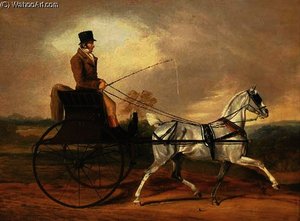 A gentleman riding a horse and gig
14A foxhound and her litter
15
 A Grey Carriage Horse In A StableCalke Abbey
16
 A Huntsman Leading A Bay Hunter, With Hounds Outside Kennels
17
 A Chestnut Hunter And A Terrier In An Extensive Landscape
18
 Elevation Of The Public Library, Marylebone Road
19
 Preparing to set off
20
 A Chestnut Hunter And A Grey Hunter By A Manger, With A River Landscape Beyond
21
 Lord grosvenor's enterprise winning from waty and hannibal at brighton races
22
 A liver chestnut in an extensive landscape
23
 Fighting Cocks
24
 Sir Jacob Astley, 6th Bt, 16th Baron Hastings, On A Grey Hunter, With Huntsmen And Hounds At Melton Constable
25
 A Sportsman With Shooting Pony And Gun DogsYale Center for British Art
Cele patru teme care revin cel mai des în aceste opere originale, fiecare având cel mai sublim exemplu.
Cele 3 muzee care dețin cele mai multe dintre picturile de pe această pagină.
| Muzee | Oraș | Lucrări lui Edwin Cooper | Picturi din această listă |
|---|---|---|---|
 Calke Abbey |
3 | A Chestnut Hunter In A Field, A Bay Hunter In A Landscape, A Grey Carriage Horse In A Stable | |
 Yale Center for British Art |
New Haven | 2 | A Gentleman Driving Tandem To A Jaunting Ca, A Sportsman With Shooting Pony And Gun Dogs |
 Colecția Regală |
Londra | 1 | "Banker", a Racehorse Belonging to Frederick, Duke of York |
Toate originalele datate ale lui Edwin Cooper prezentate aici aparțin unui singur an, 1831: acestea sunt prezentate în ordinea celebrității.
Alege un an pentru a vedea originalele acestuia.
Michael Beverley With His Whipper In And Harriers, (1831). Urmează London To Glasgow Royal Mail On The Open Road și "Banker", a Racehorse Belonging to Frederick, Duke of York.
46 ani: Michael Beverley With His Whipper In And Harriers, datează din 1831, iar Edwin Cooper s-a născut în 1785.
Michael Beverley With His Whipper In And Harriers,, London To Glasgow Royal Mail On The Open Road, "Banker", a Racehorse Belonging to Frederick, Duke of York, A Chestnut Hunter In A Field, Pointers In A Landscape, Mounted Dragoon By The Sea, A Bay Hunter With A Dog By A Fence, Two Gentlemen With Their Hunters, In An Extensive Landscape, A dark bay horse and a terrier in a landscape și Three Greyhounds In A Landscape. Clasamentul de mai sus indică anul și muzeul pentru fiecare piesă.
Catalogul nostru conține 25 lucrări ale lui Edwin Cooper.
În principal în Calke Abbey, Yale Center for British Art (New Haven) și Colecția Regală (Londra). Tabelul cu muzee de mai sus le enumeră pe toate.
Hunting (8), Landscape (7) și Beach (4), din cele 25 lucrări de pe această pagină.
A Chestnut Hunter In A Field, A Bay Hunter In A Landscape și A Grey Carriage Horse In A Stable: Calke Abbey deține 3 dintre lucrările de pe această pagină.


