Portretul lui Edward Price

Cele 7 cele mai faimoase picturi ale lui Edward Price, o selecție de galerie

Actualizat Noiembrie 2026 · clasat în funcție de scorul nostru de popularitate (căutări, vizite și comenzi pentru fiecare operă) · 7 lucrări ale lui Edward Price în catalogul nostru

Pe scurt

Dintre toate originalele lăsate de Edward Price, cea mai faimoasă este Dervoguilla of Galloway (d.1290), Lady of Balliol (1670), din colecția Balliol College, Oxford. Imediat după acestea urmează John de Balliol (d.1268), Lord of (inter alia) Bywell and Barnard Castle and of Bailleul en Vimeu (Picardy), Founder of the College (c.1263) (1670) și Sheffield and the Valley of the Don (1863). Catalogul nostru cuprinde 7 lucrări ale lui Edward Price; galeria a păstrat cele 7 pe care lumea le admiră cel mai mult, fiecare fiind prezentată împreună cu data, muzeul și povestea sa.

1800 – 1885 Cele mai multe lucrări: Balliol College

Cele mai importante 10 picturi ale lui Edward Price: selecția galeriei

1
Dervoguilla of Galloway (d.1290), Lady of Balliol (1670) de Edward Price

Dervoguilla of Galloway (d.1290), Lady of Balliol

1670 · Oil On Canvas · Balliol College, Oxford

The woman sits with hands clasped in a steady gesture of composure. She wears a white veil that catches the light, framing a face that carries the gravity of her station. This is Dervorguilla of Galloway, a figure of substance from a vanished age, captured here in the soft, luminous glazes that define the Baroque style. Around her, the atmosphere is thick with a sense of quietude, as if the…

2
John de Balliol (d.1268), Lord of (inter alia) Bywell and Barnard Castle and of Bailleul en Vimeu (Picardy), Founder of the College (c.1263) (1670) de Edward Price

John de Balliol (d.1268), Lord of (inter alia) Bywell and Barnard Castle and of Bailleul en Vimeu (Picardy), Founder of the College (c.1263)

1670 · Oil · Balliol College, Oxford

The figure of John de Balliol is rendered in full medieval panoply, a warrior-founder captured in a moment of martial readiness. He is clad in detailed armor, his presence anchored by a heavy sword held prominently in the foreground. A red cape provides a sharp chromatic contrast against the metallic sheen of his protection, while a shield rests upon his chest. Behind him, the architecture of a castle-like structure rises,…

3
Sheffield and the Valley of the Don (1863) de Edward Price

Sheffield and the Valley of the Don

1863 · Oil On Canvas

Sheffield and the Valley of the Don is a panoramic landscape painting that captures a vast, rolling valley under a cloudy sky. The composition is broadly horizontal, emphasizing an expansive view of the natural terrain. The scene is dominated by organic shapes, including undulating hills, meandering rivers, and scattered trees. A subdued and atmospheric mood is created through a color palette of muted greens, browns, blues, and grays.

4
Pont Aberglaslyn (1870) de Edward Price

Pont Aberglaslyn

The water flows with a quiet, persistent weight. In Pont Aberglaslyn, the river carves its path through a valley of heavy, detailed mountains. A bridge spans the current, a small human geometry against the wild, vertical lines of the peaks. Figures move near the water's edge, their presence small and fleeting compared to the permanence of the rock. A horse stands in the landscape, a silent witness to the slow…

5
Pont y Gyfyng (1870) de Edward Price

Pont y Gyfyng

The painting depicts a waterfall situated within a dense forest. Water descends through a central opening in the landscape, surrounded by dark, textured rocks and various trees. The foliage on either side of the falls creates a vertical frame for the moving water. Shadows settle in the crevices of the stone, while light hits the surface of the falling water and the surrounding leaves. The scene captures a specific moment…

6
June Morning, Kenilworth Castle, Warwickshire (1865) de Edward Price

June Morning, Kenilworth Castle, Warwickshire

1865 · Oil · Herbert Art Gallery - Museum, Coventry

There is a particular stillness to the light in this 1865 work, a softness that suggests the world is only just beginning to stir. In June Morning, Kenilworth Castle, Warwickshire, Edward Price captures a moment of gentle transition. The castle, a silhouette of historical weight, rests in the background, its stone textures rendered with a careful, realistic hand. It does not dominate the scene through aggression, but rather through a…

7
Norway (1881) de Edward Price

Norway

1881 · Oil On Canvas · Nottingham Castle Museum And Art Gallery, Nottingham

A blue sky hangs over a deep valley, pressing down with a quiet, heavy light. In the distance, mountains rise in jagged silhouettes, their peaks carving the horizon into sharp, uneven lines. Below, the earth settles into a basin of green and shadow. Trees are scattered across the terrain like dark, unmoving sentinels, their branches reaching into the stillness. Two birds drift through the open air, one near the center…

Subiectele care i-au captivat privirea lui Edward Price

Cele patru teme care revin cel mai des în aceste opere originale, fiecare având cel mai sublim exemplu.

Muzeele care păstrează originalele lui Edward Price

Cele 4 muzee care dețin cele mai multe dintre picturile de pe această pagină.

Muzee Oraș Lucrări lui Edward Price Picturi din această listă
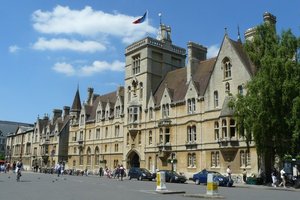
Balliol College, OxfordBalliol College Oxford 2 Dervoguilla of Galloway (d.1290), Lady of Balliol, John de Balliol (d.1268), Lord of (inter alia) Bywell and Barnard Castle and of Bailleul en Vimeu (Picardy), Founder of the College (c.1263)
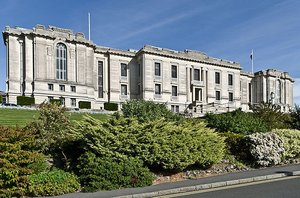
Llyfrgell Genedlaethol Cymru / The National Library of Wales, AberystwythLlyfrgell Genedlaethol Cymru / The National Library of Wales Aberystwyth 2 Pont Aberglaslyn, Pont y Gyfyng
Herbert Art Gallery - Museum, CoventryHerbert Art Gallery - Museum Coventry 1 June Morning, Kenilworth Castle, Warwickshire
Nottingham Castle Museum And Art Gallery, NottinghamNottingham Castle Museum And Art Gallery Nottingham 1 Norway

Edward Price deceniu cu deceniu: originalul care definește fiecare

Lucrări pe deceniu

Alege o deceniu pentru a descoperi opera originală care îl definește.

Întrebări ale colecționarilor despre picturile lui Edward Price

Pentru ce operă este cel mai cunoscut Edward Price?Află răspunsul

Dervoguilla of Galloway (d.1290), Lady of Balliol (1670), Balliol College, Oxford. Urmează John de Balliol (d.1268), Lord of (inter alia) Bywell and Barnard Castle and of Bailleul en Vimeu (Picardy), Founder of the College (c.1263) (1670) și Sheffield and the Valley of the Don (1863).

Câte picturi a lăsat Edward Price?Află răspunsul

Catalogul nostru cuprinde 7 lucrări ale lui Edward Price, datate între 1863 și 1881.

În ce muzee sunt expuse capodoperele lui Edward Price?Află răspunsul

În principal în Balliol College (Oxford), Llyfrgell Genedlaethol Cymru / The National Library of Wales (Aberystwyth) și Herbert Art Gallery - Museum (Coventry). Tabelul cu muzee de mai sus le enumeră pe toate.

În ce ani a pictat Edward Price cele mai cunoscute opere?Află răspunsul

În 1860s: 2 dintre cele 7 lucrări de pe această pagină au fost realizate atunci, fiind Sheffield and the Valley of the Don dintre acestea.

Care sunt prima și ultima pictură originală celebră a lui Edward Price?Află răspunsul

Pe această pagină, cea mai veche lucrare datează din Sheffield and the Valley of the Don (1863), iar cea mai recentă este din Norway (1881).

Ce subiecte a ales cel mai des Edward Price?Află răspunsul

Trees (4), Landscape (3) și Castle (2), din cele 7 lucrări de pe această pagină.

Ce tehnică a folosit cel mai des Edward Price?Află răspunsul

Oil On Canvas, pentru 4 dintre cele 7 lucrări de pe această pagină.

Ce lucrări ale lui Edward Price sunt expuse la Balliol College?Află răspunsul

Dervoguilla of Galloway (d.1290), Lady of Balliol și John de Balliol (d.1268), Lord of (inter alia) Bywell and Barnard Castle and of Bailleul en Vimeu (Picardy), Founder of the College (c.1263): Balliol College, Oxford deține 2 dintre lucrările de pe această pagină.

Edward Price: viață și operă

A Vision of Coastal England: The Life and Legacy of Edward Price

Edward Price (1800–1885) remains a luminous figure in the annals of British Romantic landscape painting, an artist whose brush captured the very soul of the Victorian era’s fascination with the untamed natural world. Born at the dawn of the nineteenth century, Price’s life unfolded during a period of profound transformation in England, where the industrial revolution began to reshape the landscape, yet the romantic spirit sought refuge in the enduring majesty of the coast. His artistic journey was deeply rooted in an intellectual and classical foundation; having received his early education at prestigious institutions such as Rugby School, Eton College, and Christ’s Hospital, he developed a refined sensibility that would later inform the poetic depth of his work. This academic rigor culminated at Oxford University, where his immersion in the classics and Greek mythology provided him with a philosophical lens through which to view the drama of the physical world.

The Atmospheric Mastery of the Galloway Coast

The heart of Price’s oeuvre lies in his profound connection to the rugged shores of Galloway. To Price, this region was not merely a subject but a profound source of spiritual and aesthetic inspiration. He possessed an uncanny ability to translate the turbulent energy of the sea and the stoic permanence of coastal cliffs onto canvas. His technique was a masterful blend of meticulous observation and expressive freedom, characterized by a textured application of paint that gave his landscapes a palpable sense of life. By skillfully employing chiarosc de Monte—the dramatic interplay between light and shadow—he could evoke the heavy, salt-laden atmosphere of a gathering storm or the fleeting, golden tranquility of a summer dusk. His works, such as the celebrated “The Cliffs of Galloway” and “Sunset Over Galloway,” serve as windows into a world where the elements are in constant, beautiful conflict.

Artistic Lineage and Historical Significance

Price did not paint in a vacuum; his vision was deeply shaped by the giants of British landscape painting who preceded him. He drew significant inspiration from the atmospheric innovations of J.M.W. Turner and the grounded, pastoral realism of John Constable. From Turner, he inherited a fascination with the sublime power of light and weather; from Constable, he learned the importance of capturing the specific, localized character of the English terrain. This synthesis allowed him to create works that were both emotionally resonant and technically sophisticated, bridging the gap between pure romanticism and a more nuanced realism. Today, the significance of Edward Price’s contribution to art history is found in his ability to document a vanishing sense of coastal solitude. His paintings are more than mere depictions of scenery; they are emotional records of an era that viewed nature as a powerful, divine force. Through his sweeping vistas and evocative seascapes, Price ensured that the rugged beauty of the British coastline would be preserved with a level of light and movement that continues to captivate collectors and art historians alike. His legacy remains etched in the luminous palettes and dramatic textures that define the very essence of the Romantic landscape tradition.