Portretul lui Domi Kano

Cele 3 cele mai faimoase picturi ale lui Domi Kano, fiecare unică în felul ei

Actualizat Noiembrie 2026 · clasat în funcție de scorul nostru de popularitate (căutări, vizite și comenzi pentru fiecare operă) · 3 lucrări ale lui Domi Kano în catalogul nostru

Pe scurt

Namban folding screens (1600) este pictura lui Domi Kano care atrage cele mai multe priviri; originalul aparține Muzeul Național de Artă Veche, Lisabona. După aceasta, privirea se îndreaptă către Namban folding screens (1600) și Namban folding screens (1600). Dintre cele 3 opere ale lui Domi Kano din catalogul nostru, acestea 3 sunt cele mai celebre, fiecare fiind o piesă unică, prezentată împreună cu anul creării, muzeul deținător și motivul pentru care aceasta rămâne memorabilă.

1562 – 1624, Kyoto Cele mai multe lucrări: Muzeul Național de Artă Veche

Cele mai importante 10 picturi ale lui Domi Kano, prin ochii galeriei

1
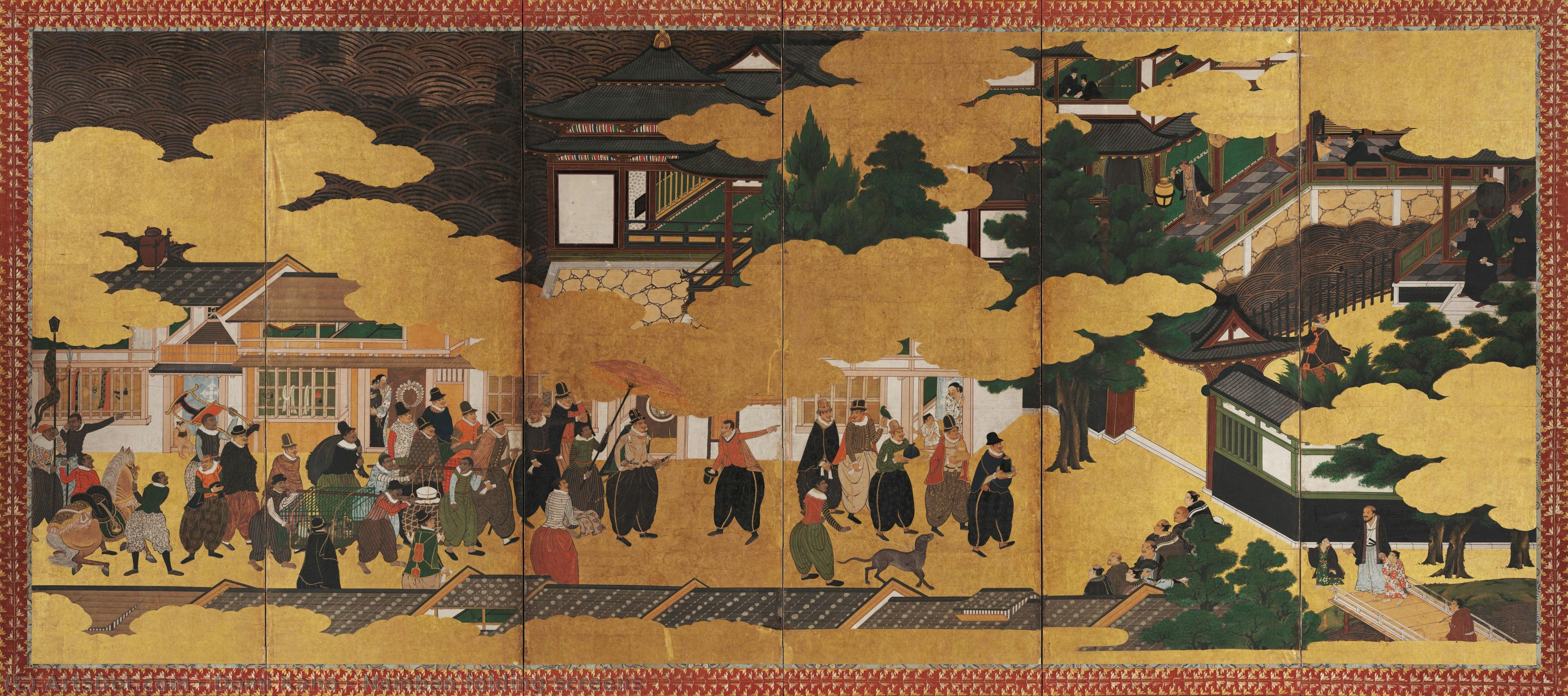
Namban folding screens (1600) de Domi Kano

Namban folding screens

1600 · Ink · Muzeul Național de Artă Veche, Lisabona

Step into the vibrant, bustling world of late sixteenth-century Japan through the breathtaking Namban folding screens, a masterpiece attributed to the legendary Kano school master, Domi Kano. Created around 1600, this expansive work serves as more than just a decorative object; it is a cinematic window into a pivotal moment in human history—the arrival of the "Southern Barbarians" or Nanban traders from Europe. As you gaze upon the sweeping 172…

2
Namban folding screens (1600) de Domi Kano

Namban folding screens

1600 · Gold Leaf · Muzeul Național de Artă Veche, Lisabona

In the twilight of the sixteenth century, as the world began to shrink through the daring voyages of European explorers, a profound cultural collision unfolded on the shores of Japan. The Namban folding screens, masterfully executed by the renowned Kano School artist Domi Kano around 1600, serve as a breathtaking visual chronicle of this transformative era. These monumental works do not merely depict a historical event; they capture the very…

3
Namban folding screens (1600) de Domi Kano

Namban folding screens

The arrival of European traders and missionaries in Japan marks a profound shift in the nation's historical trajectory. Around 1600, Domi Kano captured this transformative era through a series of large-scale folding screens. The composition centers on a massive vessel navigating the waters, surrounded by a fleet of smaller boats. Figures populate the scene, some positioned near the ships and others scattered across the maritime landscape. Birds move through the…

Subiectele care i-au captivat privirea lui Domi Kano

Cele patru teme care revin cel mai des în aceste opere originale, fiecare având cel mai sublim exemplu.

Muzeele care păstrează originalele lui Domi Kano

Muzeul care deține cele mai multe dintre picturile prezentate pe această pagină.

Muzee Oraș Lucrări lui Domi Kano Picturi din această listă
Muzeul Național de Artă Veche, LisabonaMuzeul Național de Artă Veche Lisabona 3 Namban folding screens, Namban folding screens, Namban folding screens

Domi Kano de-a lungul anilor: originalele unice ale fiecăruia

Toate originalele datate ale lui Domi Kano prezentate aici aparțin unui singur an, 1600: acestea sunt prezentate în ordinea celebrității.

Lucrări pe an

Alege un an pentru a vedea originalele acestuia.

Picturile lui Domi Kano: întrebări pentru galerie

Care este cea mai celebră operă a lui Domi Kano?Află răspunsul

Namban folding screens (1600), Muzeul Național de Artă Veche, Lisabona. Urmează Namban folding screens (1600) și Namban folding screens (1600).

La ce vârstă a creat Domi Kano Namban folding screens?Află răspunsul

38 ani: Namban folding screens datează din 1600, iar Domi Kano s-a născut în 1562.

Câte lucrări ale lui Domi Kano sunt cunoscute?Află răspunsul

Catalogul nostru conține 3 lucrări ale lui Domi Kano.

Unde pot fi vizualizate originalele celor mai faimoși Domi Kano?Află răspunsul

În principal în Muzeul Național de Artă Veche (Lisabona). Tabelul cu muzee de mai sus le enumeră pe toate.

În ce perioadă a creat Domi Kano cele mai cunoscute picturi?Află răspunsul

În 1600: 3 dintre cele 3 lucrări de pe această pagină au fost realizate atunci, fiind Namban folding screens dintre acestea.

Ce teme prefera Domi Kano?Află răspunsul

Namban (2) și Gold leaf (2), din cele 3 lucrări de pe această pagină.

Ce originale de Domi Kano pot vedea la Muzeul Național de Artă Veche?Află răspunsul

Namban folding screens, Namban folding screens și Namban folding screens: Muzeul Național de Artă Veche, Lisabona deține 3 dintre lucrările de pe această pagină.

Domi Kano: un portret al artistului

biography of a renowned artist

domi kano, also known as kano domi, was a japanese painter born in kyoto in 1562 and died in 1624. he was a member of the kano school, one of the most important and influential schools of japanese painting, which was founded in the 15th century and continued to produce masterpieces until the 19th century.

the kano school style

the kano school was known for its refined and elegant style, which combined traditional japanese techniques with chinese and western influences. domi kano was the son of kano eitoku, the most famous artist of the kano school, and he continued his father's legacy by becoming the head of the school and producing many works of art that are still admired today.

notable works

* namban folding screens (1600) - these screens depict the arrival of the first european traders and missionaries in japan, and are considered one of the masterpieces of japanese art. * landscape with gold leaf - characterized by its use of gold leaf, which gives his paintings a rich and luxurious look.

artistic style and influence

domi kano's style is characterized by its use of gold leaf, which was a novelty in japanese art at the time. he was also known for his mastery of the perspective technique, which added depth to his paintings. his work has had a profound influence on japanese art, and he is considered one of the greatest artists of his time. important: domi kano's work can be found in various museums and collections, including the tokyo national museum, which features some of his most notable pieces.